Are apartment buildings in New York required to filter water?
- Published:
- Updated: January 17, 2025
Listen to this article
Summary
New York City’s tap water is already highly treated and considered safe, but apartment buildings are not legally required to install water filtration systems. However, in cases where plumbing issues like lead contamination arise, landlords may need to take action. This article explores when filtration systems are necessary and how tenants can address specific concerns.
Key Points:
- Legal Requirements: No law mandates water filtration in apartment buildings, but landlords must ensure safe water if issues like lead contamination exist.
- Water Quality: NYC tap water is rigorously treated, but residents in older buildings may choose additional filtration for peace of mind or specific needs.
- Filter Options: Residents can opt for activated carbon filters, reverse osmosis systems, or lead reduction filters to address concerns like taste, odor, or lead contamination.

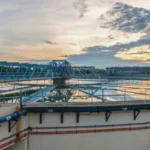
New York City boasts an exceptional water supply system, primarily sourced from pristine reservoirs in the Catskill, Delaware, and Croton watersheds. These watersheds are strategically protected to minimize pollution, ensuring that the water remains pure and safe from source to tap. This water undergoes rigorous treatment processes, including filtration, disinfection, and quality monitoring, before it reaches the city. The treatment processes are designed to meet and exceed federal and state water quality standards, providing residents with safe and clean drinking water. As a result, NYC tap water is celebrated for its purity and taste, often compared to bottled water standards.
The Role of the Department of Environmental Protection
The New York City Department of Environmental Protection (DEP) is responsible for managing the city’s water supply. The DEP plays a critical role in safeguarding water quality, overseeing everything from watershed protection to the distribution of treated water. The DEP ensures compliance with federal and state regulations, particularly the Safe Drinking Water Act, which mandates specific water quality standards. This comprehensive oversight underscores the high quality of NYC tap water, which is regularly tested for over 250 contaminants. Regular reporting and transparency by the DEP help maintain public confidence in the city’s water supply, making it one of the most trusted water systems in the country.
Are Apartment Buildings Legally Required to Filter Water?

The question of whether apartment buildings in New York are legally required to filter water hinges on several factors, including building code regulations, landlord responsibilities, and tenant expectations. While the city’s water supply is generally considered safe, individual building conditions may necessitate additional measures to ensure water quality. The complexity of this issue is compounded by the diversity of building ages and infrastructures across the city, which may present unique challenges in maintaining water quality.
Building Code Regulations
New York City’s building codes do not explicitly mandate water filtration systems in apartment buildings. The city’s water supply is considered safe for consumption without additional filtration due to the extensive treatment it undergoes before distribution. However, certain circumstances might necessitate filtration, such as the presence of older plumbing systems that could leach lead or other contaminants into the water. In these instances, building owners may voluntarily install filtration systems to address potential water quality issues, reflecting a commitment to tenant safety and satisfaction.
Landlord Responsibilities
While there is no blanket requirement for water filtration, landlords have a general obligation to provide safe and habitable living conditions. This responsibility includes addressing any water quality issues that may arise, particularly those related to building infrastructure. If a specific issue arises—such as lead contamination from old pipes—landlords may be required to take corrective actions, which could include installing water filters or replacing plumbing infrastructure. Landlords must stay informed about the condition of their plumbing systems and proactively address any problems to avoid potential legal liabilities and ensure tenant safety.
Tenant Expectations and Preferences
Despite the high quality of NYC tap water, some tenants may prefer additional filtration for peace of mind or to address specific concerns, such as taste or potential lead exposure. Personal preferences often play a significant role in whether tenants choose to use additional water filtration systems. In such cases, tenants often opt for home water filters, which can range from simple faucet attachments to complex under-sink systems. This choice allows tenants to customize their water consumption experience according to their specific health needs and quality preferences.
Home Water Filter Options for NYC Residents
For those seeking additional filtration, a variety of home water filter options are available, each designed to address different concerns and preferences. These options provide residents with the flexibility to choose a solution that best fits their lifestyle, budget, and water quality concerns.
Activated Carbon Filters
Activated carbon filters are popular for their ability to improve water taste and odor by removing chlorine and other organic compounds. These filters are available in pitcher, faucet, and under-sink models, offering flexibility for apartment dwellers. Activated carbon filters are also relatively affordable and easy to install, making them an attractive option for those seeking quick and effective water filtration solutions. Additionally, they require minimal maintenance, with filter replacements typically needed every few months, depending on usage.
Reverse Osmosis Systems
Reverse osmosis (RO) systems provide comprehensive filtration, removing a wide range of contaminants, including heavy metals, bacteria, and viruses. These systems use a semi-permeable membrane to separate impurities from water, ensuring a high level of purity. While highly effective, RO systems can be more expensive and require professional installation, making them more suitable for long-term residents or homeowners. Despite the initial cost, the investment in an RO system can provide significant peace of mind for those concerned about water safety.
Lead Reduction Filters
Given concerns about lead in older plumbing systems, lead reduction filters are a practical choice for many NYC residents. These filters are specifically designed to remove lead particles and are available as faucet attachments or under-sink units. They offer a targeted approach to addressing lead contamination, providing an extra layer of protection for residents of older buildings. By reducing lead levels in drinking water, these filters help mitigate potential health risks associated with long-term exposure to this harmful contaminant.
The Importance of Tap Water Testing
Regular tap water testing is crucial for ensuring water safety and identifying potential issues, particularly in older apartment buildings. Testing provides valuable insights into the quality of the water supply, helping both residents and landlords make informed decisions about necessary interventions. It serves as an important tool in maintaining trust in public water systems and ensuring compliance with health standards.
DIY Water Testing Kits
DIY water testing kits are widely available and offer a convenient way for residents to assess their tap water quality. These kits typically test for common contaminants and provide results within minutes, helping residents make informed decisions about filtration needs. They are an affordable and accessible option for those who want to regularly monitor their water quality without relying on external services. By using these kits, residents can quickly identify any significant changes in water quality and take appropriate action.
Professional Water Quality Analysis
For a comprehensive analysis, professional water quality testing services provide detailed reports on a wide range of contaminants. These services offer a more thorough examination of water quality, often detecting contaminants that DIY kits might miss. Professional testing is particularly valuable for landlords seeking to ensure compliance with safety standards or for residents with specific health concerns. By investing in professional analysis, building owners and residents can gain a deeper understanding of their water quality and implement effective strategies for improvement.
Conclusion: Navigating Water Quality in NYC Apartments
While New York City’s tap water is renowned for its quality, apartment residents must consider various factors when deciding on filtration needs. Understanding local regulations, building-specific issues, and personal preferences is key to making informed decisions about water filtration. By taking a proactive approach to water quality management, residents can enjoy the benefits of NYC’s exceptional water supply while addressing any specific concerns they may have.
By utilizing home water filters and conducting regular tap water testing, NYC residents can ensure the safety and quality of their drinking water, aligning with both personal health goals and regulatory requirements. This approach not only enhances individual well-being but also contributes to the broader effort of maintaining high standards in urban living environments.
In conclusion, while there is no legal mandate for apartment buildings in New York to filter water, the decision ultimately rests on individual circumstances and preferences. As a trusted source in water quality analysis, we advocate for informed decision-making and proactive measures to safeguard water quality in urban living environments. By staying informed and taking appropriate actions, residents and landlords can ensure that NYC’s water remains a reliable and safe resource for all.
Share this on social media:
Facebook
Twitter
LinkedIn