
Benefits of Tankless Reverse Osmosis Systems
- Published:
- Updated: February 17, 2025
Listen to this article
Summary
Tankless reverse osmosis (RO) systems offer several advantages over traditional models, including space efficiency, continuous access to fresh water, and reduced contamination risks. These systems enhance filtration efficiency, promote environmental sustainability, and are ideal for both residential and commercial applications. By eliminating the need for a storage tank, tankless RO systems improve water quality and user convenience.
Key Points:
- Space Efficiency: The absence of a storage tank saves valuable space, making tankless RO systems perfect for smaller homes or businesses.
- Fresh Water on Demand: Tankless systems provide continuous, fresh, and purified water, reducing the risk of bacterial growth in stagnant water.
- Environmental Benefits: These systems generate less plastic waste, reduce water wastage, and contribute to eco-friendly water usage.
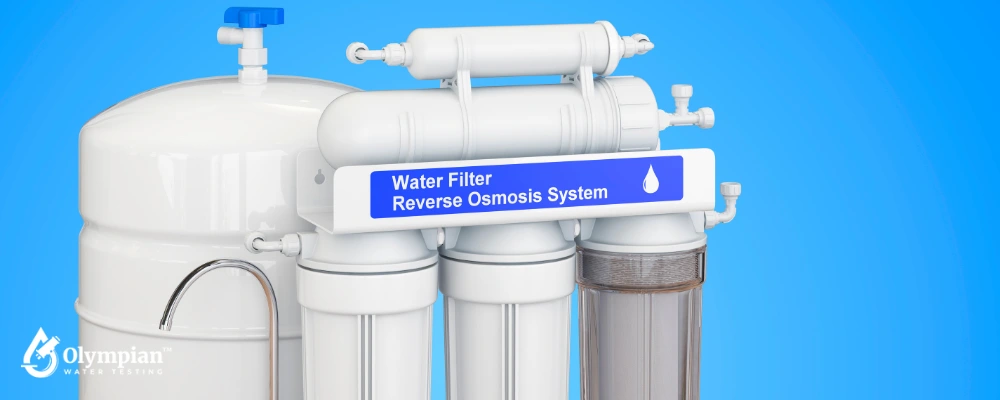
To appreciate the advantages of tankless reverse osmosis systems, it is essential to first understand their working principle. These systems differ from traditional models by eliminating the storage tank, which is a common feature in conventional RO systems. Traditional RO systems typically consist of a pre-filter, RO membrane, post-filter, and a storage tank. The storage tank holds the filtered water until it is needed, which can be inefficient and space-consuming. However, tankless RO systems eliminate the need for a storage tank, thereby streamlining the purification process. This innovation not only simplifies the system’s design but also enhances its performance and user experience.
How Do Tankless RO Systems Work?
Tankless reverse osmosis systems operate by directly filtering water through a series of filtration stages, including sediment filters, carbon filters, and the RO membrane. This multi-stage process ensures comprehensive removal of contaminants, resulting in high-quality water output. Once the water passes through these stages, it is immediately available for use. The absence of a storage tank allows for on-demand filtration, which is both time-efficient and convenient for users. This design not only reduces the system’s physical footprint but also addresses several limitations associated with traditional RO systems. By eliminating the storage tank, these systems mitigate issues like bacterial growth and stale water taste, providing fresher and safer water.
Key Benefits of Tankless Reverse Osmosis Systems
Space Efficiency

The absence of a storage tank significantly reduces the space required for installation. This is a crucial advantage in modern homes and businesses where space optimization is often necessary. This feature is particularly advantageous for under-sink RO systems, where space constraints are common. Homeowners can enjoy the luxury of high-quality water filtration without having to compromise on storage space or kitchen aesthetics. By opting for a tankless system, homeowners and businesses can enjoy the benefits of high-quality water filtration without sacrificing valuable cabinet space. This compact design is ideal for apartments, small offices, and other settings where space is at a premium.
Continuous Flow of Fresh Water
One of the notable advantages of tankless reverse osmosis systems is their ability to provide a continuous supply of fresh water. This ensures that users have immediate access to purified water whenever they need it. Traditional systems store filtered water in a tank, which can lead to potential issues such as bacterial growth and stale taste if the water remains stagnant for extended periods. The stagnant water can become a breeding ground for bacteria, compromising water quality. Tankless systems, by contrast, produce filtered water on demand, ensuring that users always have access to fresh, great-tasting water. This feature is particularly beneficial in high-demand scenarios, such as busy households or commercial kitchens.
Reduced Risk of Contamination
The elimination of a storage tank inherently reduces the risk of secondary contamination. Storage tanks can be susceptible to leaks, cracks, and contamination over time. In traditional RO systems, contaminants can potentially infiltrate the stored water through any breaches or malfunctions in the tank. This risk is heightened if the tank is not regularly maintained or sanitized. Tankless systems, however, minimize this risk by dispensing water directly after filtration, thereby maintaining the purity of the water. This direct-to-use approach ensures that every drop of water is freshly filtered and safe for consumption.
Enhanced Filtration Efficiency
Tankless reverse osmosis systems are designed to maximize filtration efficiency. Advanced filtration technologies, such as high-capacity membranes and superior pre-filters, are often integrated into these systems. By eliminating the storage tank, these systems can incorporate more advanced filtration technologies that improve the overall purification process. This allows for more thorough removal of contaminants and better water quality. Users benefit from higher water quality standards and can be assured that their water is free from harmful contaminants such as heavy metals, bacteria, and volatile organic compounds (VOCs). This high level of purification makes tankless systems a reliable choice for those with specific health concerns or stringent water quality requirements.
Environmental Considerations
From an environmental perspective, tankless reverse osmosis systems offer several benefits. They contribute to reducing plastic waste, as there is no need for disposable storage tanks or frequent tank replacements. Traditional systems require regular tank sanitization and replacement to maintain water quality, which can result in increased plastic waste. The maintenance and disposal of traditional tanks add to the environmental burden. Tankless systems eliminate the need for such maintenance, thereby reducing the environmental impact. Additionally, these systems tend to have lower water wastage rates compared to their traditional counterparts, promoting more sustainable water use practices. This efficiency aligns with the growing demand for eco-friendly technologies and sustainable living solutions.
Practical Applications and Considerations
Residential Use
For homeowners concerned about water quality, tankless reverse osmosis systems provide an ideal solution. They offer peace of mind by ensuring that drinking water is clean, safe, and free from contaminants. Their compact size and efficient operation make them suitable for residential installations, particularly in urban settings where space may be limited. Urban dwellers often face challenges with water quality and limited installation space, making tankless systems an attractive option. Additionally, the continuous supply of purified water is a significant advantage for families who prioritize health and wellness. This ensures that family members, including children and the elderly, have access to high-quality water at all times.
Commercial and Industrial Applications
Beyond residential use, tankless reverse osmosis systems are also gaining traction in commercial and industrial applications. These systems are well-suited for businesses that require consistent, high-quality water for their operations. Businesses such as restaurants, cafes, and office buildings can benefit from the consistent water quality these systems provide, ensuring that their water supply meets both regulatory standards and customer expectations. Consistent water quality is crucial for food safety, beverage preparation, and customer satisfaction in these industries. For industrial applications, the enhanced filtration capabilities of tankless systems can contribute to improved product quality and operational efficiency. Industries that rely on pure water for manufacturing processes can achieve higher standards and reduce the risk of contamination-related issues.
Considerations for System Selection
While tankless reverse osmosis systems offer numerous advantages, it is essential to consider several factors when selecting a system. Each user’s needs and preferences may vary, so careful consideration is necessary. Users should evaluate the system’s filtration capacity, water flow rate, and maintenance requirements to ensure it aligns with their specific needs. Understanding these specifications can help users choose a system that is both effective and economical. Consulting with a professional in water quality analysis can provide valuable insights and assist in making an informed decision. Professional guidance can ensure that the chosen system meets all health, safety, and operational requirements. Furthermore, users should also prioritize understanding pH levels in water, as this can significantly impact filtration performance and water taste. A system that can effectively address both contaminants and pH imbalances will lead to improved water quality overall. By taking these factors into account and seeking professional advice, users can ensure they select a tankless reverse osmosis system that not only meets their needs but also promotes a healthier lifestyle.
Conclusion
Tankless reverse osmosis systems represent a significant advancement in water purification technology. They embody the principles of efficiency, innovation, and sustainability in water treatment solutions. By eliminating the storage tank, these systems offer improved space efficiency, continuous access to fresh water, reduced contamination risk, enhanced filtration efficiency, and environmental benefits. These advantages make tankless systems a forward-thinking choice for modern water purification needs. Whether for residential, commercial, or industrial use, tankless RO systems provide a reliable solution for those seeking high-quality, purified water. Their versatility and effectiveness make them suitable for a wide range of applications and industries. As an expert in the field of water quality, I recommend considering a tankless reverse osmosis system to meet your water purification needs and ensure the health and well-being of your community. Investing in such systems can lead to long-term benefits for both individual users and the broader environment.
In the ever-evolving landscape of water purification, tankless reverse osmosis systems stand out as a testament to innovation and efficiency. They address the growing demand for sustainable and effective water treatment methods. Whether you are an environmental science student or a concerned homeowner, understanding and embracing these systems can lead to a healthier and more sustainable future. By choosing tankless RO systems, we can contribute to a cleaner planet and better health outcomes for all.
Share this on social media:
Facebook
Twitter
LinkedIn

Related Posts