

The Significance of Tiny Plastic Particles
These minuscule fragments have invaded areas once thought pristine. Scientists have found them in remote polar seas, previously untouched by human waste. The tiny plastics evade filters designed to catch larger debris, posing a challenge to those monitoring water and soil quality.
The presence of these particles in unexpected places is a growing concern. Their small size and durability are expanding the reach of pollution, with researchers continually uncovering new aspects. Initial studies indicate they might breach biological barriers, posing health risks to both humans and animals. The investigation into their movement through air, water, and food systems reveals a global impact.
Experts stress the need to understand their sources and effects, acknowledging the field’s evolving nature. Worldwide efforts aim to shed light on the full extent of this emerging issue.
The Different Types of Microplastic
Overflowing landfills and draining waterways are known to carry minuscule plastic particles. These particles drift through habitats, impacting creatures of all sizes. Understanding their variations is key to addressing their impact.
Synthetic Fibers
Synthetic fibers resemble thin strands from laundry and textile products. They often shed off clothes and enter wastewater. Their compact form poses challenges for filtration in streams.
Fragmented Debris
Larger plastics degrade into tiny shards through wear, sunlight, and currents. These bits are called secondary microplastics. They float in open water, posing risks to marine mammals and seabirds that mistake them for food.
Microbeads from Personal Care Products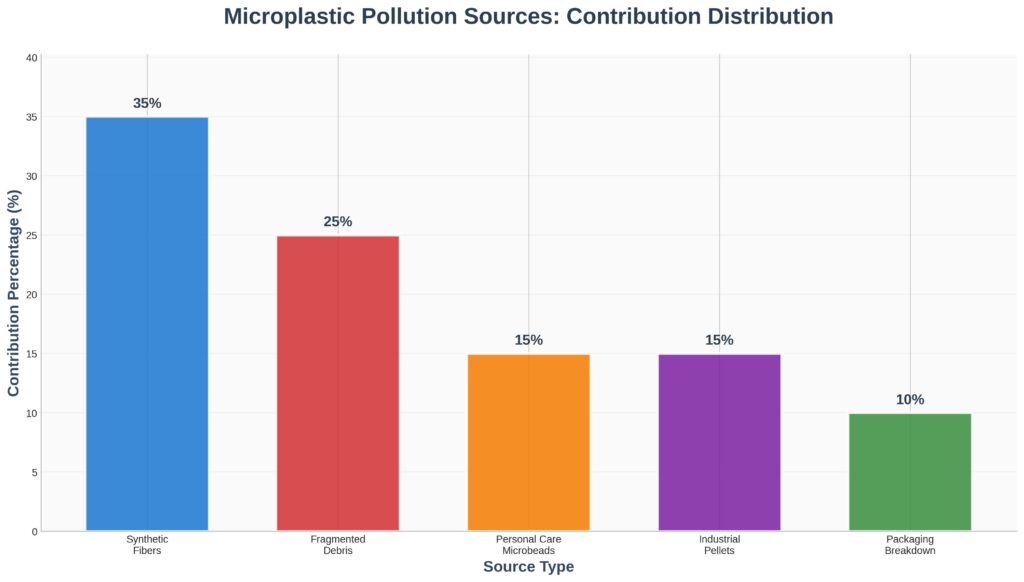
Scrubs and cleansers often include microbeads to boost exfoliation. Their sphere-like shape passes through drains and settles in lakes or seas. This harms wildlife that ingests them by accident.
Type | Key Feature | Common Source |
Synthetic Fibers | Long, thread-like particles | Clothing waste |
Fragmented Debris | Broken plastic pieces | Bottles, bags |
Microbeads | Small spherical exfoliants | Exfoliating soaps |
Where Do Microplastics Come From?
Many particles start as primary microplastics, made small for cosmetic scrubs or cleaning products. They escape through screens at wastewater plants, ending up in oceans, rivers, and soils. Industrial pellets, meant for big plastic projects, also spill during transport, adding to the pollution.
Secondary microplastics come from larger plastic items breaking down. Bags, bottles, and fishing gear turn into tiny pieces that last for years in both cities and wilderness. Synthetic clothes also contribute when fibers from washing clothes enter waterways.
- Household cleaning products with microscopic beads
- Pellets lost during plastic manufacturing
- Clothing fibers washed from synthetic fabrics
These pollution sources require urgent action from consumers, industries, and waste managers. They aim to safeguard our natural environments.
Microplastics in Marine Environments
Plastic fragments travel across marine ecosystems and reach remote waters. These tiny pieces pose hidden threats, affecting creatures from plankton to whales. When ingested, they harm vital organs or block nutrient absorption. Researchers at the National Oceanic and Atmospheric Administration (NOAA) are studying the extent of this issue.
Surveys show plastic remnants in previously pristine areas. Beach cleanups from California to Florida highlight how microplastics infiltrate our lives. These materials break down slowly, lasting decades:
- Clothing fibers shed in laundry water
- Fragments from beverage containers and shopping bags
- Tiny beads from personal care products
Effects on Marine Food Webs
Scientists note that food web contamination starts with small organisms. They mistake plastic bits for food. Pollutants stick to these particles, and larger predators consume them, increasing the risk. This chain of events raises concerns about the safety of seafood for those who rely on it for protein and nutrients.
Accumulation in Ocean Gyres
Debris concentrations are highest in ocean gyres, such as the Great Pacific Garbage Patch. Winds and currents push plastic waste into these vast, swirling zones. There, it stays for years, accumulating countless fragments. These ocean gyres pose significant threats to marine ecosystems and food web contamination in the future.
The Impact on Aquatic Life
Marine habitats are under threat as plastic particles accumulate in water columns. Researchers in aquatic ecology have found that small fish and shellfish often mistake these fragments for food. This misidentification disrupts their feeding and growth patterns, leading to a decline in the health of many species.
Studies conducted by the National Oceanic and Atmospheric Administration reveal that ingestion of plastic can block digestive tracts, limiting nutrient absorption. Some plastics release chemicals that can alter hormone levels in affected organisms. This change in foraging behavior has a ripple effect, causing ecological harm by disrupting predator-prey dynamics.
The consequences extend to reproductive success and migration patterns. Plastic can clog gills, making fish more susceptible to disease. Shell-building organisms face reduced resilience, putting entire reefs at risk. These impacts underscore the urgent need for action to protect marine ecosystems.
Species | Noted Outcome |
Pacific Herring | Physical internal damage from plastic fragments |
Blue Mussels | Chemical stress due to absorbed toxins |
Atlantic Cod | Impaired feeding efficiency under dense debris |
Potential Threats to Human Health
There’s growing concern about the impact of tiny plastic particles on our bodies. Studies have found these fragments in blood and tissues, raising health risks. Experts are now looking into whether the chemicals on these particles could be harmful.
Ingestion Through Seafood
Fish and shellfish, common in our diets, might contain microplastics. This could lead to contamination and prompt discussions on what we eat. A study found that exposure comes from various sources, including seafood sold nationwide.
Possible Long-Term Effects
Researchers are studying how plastic materials’ endocrine disruptors affect us. They think long-term exposure could alter hormone levels and cell functions. More research is needed to understand these effects and their impact on our health over time.
Microplastics in Everyday Products
Consumer goods often release tiny plastic particles when used. Items like water bottles and food containers are common culprits. These products gradually wear down, shedding plastic bits that can end up in various places. Experts suggest that these fragments might find their way indoors or into waste streams.
Personal care products, such as face washes and scrubs, once contained microbeads. Studies revealed these beads’ direct path into waterways, sparking concern. Plastic packaging, including wrappers and bottles, also degrades, adding to the accumulation of microplastics in our surroundings.
- Replacing damaged plastic items can reduce the amount of microscopic shedding.
- Choosing reusable materials offers a way to minimize daily exposure.
Making simple choices can lead to more responsible habits. By opting for glass or metal, we can significantly reduce our exposure to microplastics. This shift not only benefits our health but also the environment in the long run.
Addressing the Sources of Microplastics
Small plastic fragments continue to emerge from various places, adding stress to waterways and marine habitats. This stage focuses on limiting those leaks at their origin, preventing microplastics from reaching rivers and oceans.
Upgrading Wastewater Treatment
Modern facilities can capture tiny fibers and particles. Some cities invest in wastewater upgrades, introducing advanced filtration steps that remove more plastics before releasing water downstream. Municipalities partnering with environmental agencies lead the way in strengthening infrastructure.
Reducing Single-Use Plastics
A single-use plastic ban curbs items prone to breaking down into small pieces, easing the long-term waste load. Widespread campaigns encourage people to choose glass or metal containers, guiding communities toward better waste habits.
Innovations in Product Design
Sustainable solutions include personal care goods free from microbeads and packaging made with recyclable materials. Companies like Unilever introduced microbead-free formulas in many personal care lines, demonstrating fresh strategies for plastic reduction. Researchers and manufacturers find creative ways to cut pollution at its source.
Emerging Research and Discoveries
The focus on the smallest particles is opening new avenues in plastic pollution studies. A new era of research is dedicated to detecting nanoplastics, which are too small to see with standard microscopes. Researchers use advanced spectroscopy and laser tools to find these tiny contaminants.
Global networks share data, ensuring that findings are consistent worldwide. This collaboration brings to light new testing methods that can tell plastics apart from natural debris. It’s all about achieving precise measurements to improve research accuracy and reduce global discrepancies.
New discoveries show how nanoplastics move through water and enter the food chain. This has led to a deeper understanding of their health impacts. The ongoing research highlights the need to study how these particles evolve and affect our ecosystems.
The Role of Regulatory Policies
Public concern over plastic waste has prompted new legislation to curb tiny plastic debris. The Microbead-Free Waters Act shed light on how these particles end up in rivers and oceans. This move has compelled manufacturers to reformulate personal care products.
Federal Actions in the United States
Agencies like the Environmental Protection Agency and the Food and Drug Administration are now overseeing microplastic byproducts more closely.
“In a joint briefing, the EPA highlighted the need for balanced ways to curb plastic discharges.”
Domestic policies now focus on responsible disposal and production methods.
Industry Standards and Compliance
Many companies have adopted safer packaging and stricter disposal programs. New regulations enforce compliance by requiring detailed tracking of material use and release. This fosters cooperation among all parties aiming to diminish microplastic impact.
Community-led Cleanups and Activism
Grassroots groups have ignited a surge of environmental activism, showing the impact of local actions on reducing microplastic waste. Volunteers participate in ocean cleanups at beaches and waterways, removing trash and documenting their findings. This hands-on effort raises awareness among residents, pushing nearby industries to take greater responsibility.
Community partners team up with scientists through citizen science projects, sharing data that supports deeper research into plastic distribution. Real-time observations complement laboratory tests, providing a more complete view of pollution patterns. The Rozalia Project exemplifies this model, using a sailing vessel to gather debris and engage participants in a shared mission for cleaner shorelines.
Volunteer-driven campaigns unite neighbors and push for policy changes. Groups provide resources on collecting samples, tracking trends, and reporting results to public databases. These experiences foster a sense of unity, inspiring lasting changes in local policies and business practices.
Collaborations Between Science and Industry
Researchers and companies worldwide unite to tackle plastic waste. They focus on creating new materials and methods for biodegradable plastics. This ensures these products perform well while being eco-friendly.
These partnerships leverage the expertise of science institutes and corporate labs. Giants like BASF invest in projects using algae for packaging and household items. Public-private collaborations merge resources and talent. They aim to enhance material properties and reduce production costs.
Development of Bioplastics
Bioplastics are designed to decompose quicker than traditional plastics. Investments in sustainable manufacturing make them more viable for everyday use.
Research into Eco-friendly Alternatives
Labs are working on plant-based formulas and new polymer blends. They aim to meet consumer demands. This includes compostable bags and advanced packaging films. The goal is to reduce waste efficiently.
Many companies team up with universities to test these solutions in real-world settings. This collaboration drives continuous innovation.
International Perspectives on Microplastics
Diverse approaches to tackling microplastics are evident across the globe. Some countries enforce strict plastic bans and invest in advanced waste management systems. Others, due to limited resources, focus on localized initiatives.
This disparity underlines the need for global cooperation. The importance of international agreements grows as pollution transcends national boundaries.
Initiatives by the United Nations Environment Programme are gaining momentum, driving research and awareness. Nonprofit organizations are also playing a vital role, engaging with local communities to push for change.
Projects backed by the World Bank are addressing infrastructure gaps in various regions. These efforts focus on capacity-building and training, aiming to enhance waste disposal practices.
Innovation is leading to the development of materials that degrade more quickly. Yet, it’s clear that changing consumer habits is essential. This shared responsibility encompasses producers, communities, and governments alike.
Region | Key Policy | Observed Outcome |
European Union | Single-Use Plastics Directive | Notable drop in discarded items |
Japan | Strict recycling laws | High resource recovery |
United States | State-level bans on plastic bags | Growing interest in reusable products |
Tips for Reducing Microplastics at Home
Every day, we can make choices that impact our planet. It’s about making simple swaps and being mindful. These actions help protect our waterways from plastic pollution.
Choosing Eco-Friendly Products
Choosing products made from natural fibers or plant-based materials can help. Many stores now offer biodegradable alternatives to synthetic items. By supporting these brands, we encourage a market focused on sustainability.
Proper Laundry Practices
Sorting clothes and washing full loads can reduce fabric friction. Installing laundry filters also captures stray fibers before they reach drains. Some prefer gentler cycles and cooler temperatures to prevent fabric damage.
Avoiding Excessive Packaging
Using refill stations and products with minimal packaging reduces plastic use. Bringing reusable bags or containers can also cut down on waste. Each choice we make contributes to a cleaner environment and supports eco-friendly living.
Setting the Path Forward for Microplastics
Advancements in reducing microplastics extend beyond scientific research and clean-up efforts. They depend on strategies that emphasize clear communication and consistent public involvement. Researchers share their findings through community events, increasing awareness of plastic particle movement in ecosystems.
Strengthening Public Awareness
When schools and local groups provide environmental education, stakeholders become more informed. National museums and public forums spark discussions that influence personal choices. Access to accurate data and engaging workshops encourages community engagement. This draws people from various backgrounds who aim to protect oceans and shorelines.
Encouraging Responsible Consumption
Some brands have introduced new products without synthetic additives, guiding consumers toward healthier, eco-friendly options. By choosing refillable containers and checking labels for microplastic content, individuals support responsible consumerism. Their voices influence broader changes in packaging design. Industry partners observe these trends, adapting to meet public demand with greener methods.
A Final Reflection on Our Shared Responsibility
Renewed hope has emerged with bans on microbeads and large-scale ocean cleanup projects. These efforts demonstrate that significant changes can occur when communities come together. They show that both structural and behavioral shifts are achievable.
Collaboration among policymakers, scientists, industries, and citizens is key to lasting progress. This collective effort signals a future guided by global responsibility. It’s a beacon of hope for a better tomorrow.
Success stories underscore the impact of determined groups. Each step forward brings us closer to a sustainable future. Clean water and healthy ecosystems become attainable goals.
Every individual has a role in reducing plastic waste. Making conscious choices in product use or recycling can prevent pollutants from entering our waterways. These small actions add up to make a significant difference.
Global responsibility demands that we stay informed and actively participate. This collective mindset offers a fresh perspective on protecting our planet. It ensures the sustainability of our resources and the well-being of future generations.