Naphthalene Contamination and its Effects on Community Water Sources
- Published:
- Updated: December 30, 2024
Listen to this article
Summary
Naphthalene contamination in community water sources poses risks to health and ecosystems:
- Chemical Composition: Naphthalene, found in mothballs and industrial processes, infiltrates waterways through industrial runoff and leaking storage tanks.
- Health Implications: Short-term exposure causes headaches and irritation, while prolonged exposure leads to anemia and respiratory issues.
- Environmental Impact: Naphthalene disrupts aquatic ecosystems and poses long-term risks to soil and groundwater.

Naphthalene isn’t a chemical you can skip over in chemistry textbooks: it’s a real-world danger that erodes our local water supplies. It doesn’t get the headlines as some other environmental catastrophes do, but the risk to humans and ecosystems is not minuscule. But why isn’t it given more time?
The Basics of Naphthalene
Naphthalene is an organic solvent that’s best known as the component in mothballs. A two-ring benzene fusion, it’s a pretty straightforward structure with some tricky consequences. It’s an insect repellent made with naphthalene that’s used in air fresheners, deodorants and even some medicines.
Naphthalene is used for many things, but let’s not forget that it’s not just an everyday household cleaner: it’s a chemical that, left to go awry, could get its hands on our water with devastating consequences. It’s also a chemical we use at industrial scale, to produce goods and even as the raw material for other chemicals, making it all the more difficult to manage for our planet.
Sources of Naphthalene Contamination

Naphthalene reaches our planet from industrial effluent. Plastics, resins and dye factories all rely on this chemical, and ill-conceived disposal methods can push it right into the rivers. More, a lot of factories are near rivers and lakes, making it all the more likely that they will be contaminated.
Leakage of underground storage tanks is another problem. These tanks are often filled with petroleum based chemicals of which naphthalene is one. Gradually, wear and leaks release naphthalene into the soil around them and eventually into groundwater, which is often a public drinking water source.
How Naphthalene Enters Water Systems
There’s a lot of moving parts on the path for naphthalene from contaminant to your tap. The chemical generally gets into the soil and enters the groundwater. From there, it enters public wells and even larger watercourses if contamination is widespread.
The risk is different from groundwater to surface water. Groundwater, being slow-moving, has a longer time to get contaminated. Surface water, meanwhile, can reduce pollutants in part but is generally more directly polluted, especially in industrialised regions.
Effects of Naphthalene on Human Health
The short-term effects of naphthalene range from headaches to nausea and even inflammation of the skin and eyes. They usually show up in people exposed to extreme levels, in the workplace or from spraying a room full of mothballs.
Even more concerning are the longer-term consequences. Long-term naphthalene use was also associated with red blood cell degeneration, cataracts and respiratory problems. Extremely, it causes something called hemolytic anemia – an illness of the red blood cells.
Environmental Consequences
Naphthalene doesn’t stop at damage to human bodies: aquatic environments are damaged, too. It kills fish and other aquatic animals when released in a level that is enough to throw the food web and ecosystem stability into disarray.
And there’s the problem of naphthalene-contaminated soil, for good or ill. Not only does it get into the food chain through plant absorption, but it also gets into the groundwater because it can be a persistent pollutant, so it can persist long-term in the environment.
Methods for Detecting Naphthalene in Water
The best way to measure naphthalene levels in water is still by professional testing. It usually takes water samples to water testing labs that have powerful technology such as Gas Chromatography-Mass Spectrometry (GC-MS) to detect even small amounts of the compound.
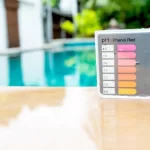
For the quick answer, there are home test kits. But these should not take the place of professional water testing. Home kits are convenient, but sometimes they do not get the results you need for an in-depth evaluation, and false positives or negatives can occur.
Current Regulations and Guidelines
The US Environmental Protection Agency (EPA) has set naphthalene drinking water limit, but are they high enough? Proponents say that these permissible dose levels are not a sufficient explanation of the compound’s long-term impacts on human and natural ecosystems.
On a relative basis, there are other nations with different policies, some strict and others soft. This disparity suggests a need for a greater global unity in the fight against naphthalene pollution, which has so much ramification.
Community Action: What Can You Do?
Everyone has something to offer in reducing naphthalene contamination. Here are a few things to think about:
Change To Naphthalene-Free Items: Switch to products that are not naphthalene-containing such as mothballs and air fresheners.
Proper Recycling of Naphthalene-Filled Products: Do not flush these products down the drain, see your local waste company about recycling requirements.
Strike for More Tight Controls: Join or donate to eco-activist organizations campaigning for stricter naphthalene controls.
Aside from the individual efforts, collective actions also matter. Whether it’s a water-testing event in your neighborhood or fighting for industrialisation, the people need to step up.
Share this on social media:
Facebook
Twitter
LinkedIn

Related Posts