Should I Have My Water Tested?
- Published:
- Updated: December 27, 2024
Listen to this article
Summary
Testing your water is crucial for ensuring its safety and quality. Here’s why you should consider it:
- Ensures safe drinking water
- Identifies sources of health problems
- Helps comply with regulations
Test for contaminants like bacteria, heavy metals, chemicals, and radon regularly to maintain water safety. If contamination is detected, consider filtration, treatment, or switching to bottled water.

You need to drink clean and pure water to stay healthy, but water contaminations and impurities don’t show up in our eyeballs. This is why testing your water is a must in order to make sure you and your family have access to safe and quality water. And now that there’s more and more to worry about, water quality and contamination, you don’t want to just guess what’s in your water.
Why Should I Have My Water Tested?
Your water needs to be tested in order to be certain you and your family get a good quality of water. Some reasons you should test your water are: if you want to make sure that your water is safe to drink, if you need to determine where the problems came from, and also if you need to follow local regulations. Drinking water is full of contaminants and pollutants that have the potential to lead to health issues from symptoms such as stomach upset to diseases such as cancer. Whether it’s your health issues or a family member’s and you think the cause of these problems could be your drinking water, a water test can pinpoint what caused the issue and determine whether the problem was caused by your water. Local laws can also have you test your water on a regular basis to make sure it’s safe and good enough.
What Contaminants Should I Test For?

When having your water tested, it is important to test for a range of contaminants and impurities, including:
- Bacteria: Bacteria such as E. coli and salmonella can cause serious health problems if present in drinking water.
- Heavy metals: Heavy metals such as lead, mercury, and cadmium can cause serious health problems if consumed in large amounts.
- Chemicals: Chemicals such as pesticides, herbicides, and industrial pollutants can contaminate drinking water and cause a range of health problems.
- Radon: Radon is a naturally occurring radioactive gas that can be present in drinking water, causing health problems if consumed in large amounts.
The Importance of Regular Water Testing
Regular water testing is important to ensure that your water remains safe and free from contaminants. Over time, the source of your water can change, or new pollutants can enter the water supply, making it important to regularly have your water tested to ensure its safety. In addition, if you have a well, it is particularly important to regularly have your water tested, as well water is not subject to the same regulations and standards as public water supplies. By having your water tested on a regular basis, you can ensure that your water remains safe for drinking, cooking, and other household uses.
What Do I Do If My Water is Contaminated?
If your water is contaminated, there are several steps you can take to ensure that your water is safe to drink. These steps may include:
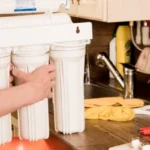
- Installing a water filtration system: Installing a water filtration system can help to remove contaminants and impurities from your water, making it safer to drink.
- Treating your water: If your water is contaminated with specific substances, you may be able to treat your water to remove these contaminants. For example, if your water is contaminated with bacteria, you may be able to treat it with chlorine or other disinfectants to make it safe to drink.
- Switching to bottled water: If your water is contaminated and cannot be treated or filtered, you may need to switch to bottled water for drinking and cooking.
The Role of the Environmental Protection Agency (EPA)
This is because EPA’s responsibility for maintaining safe and clean drinking water is the US Department of Environmental Protection (EPA). The EPA sets minimum requirements for contaminants in water and partners with states, tribes and water districts to make sure that they are met. EPA also offers information and resources for consumers to better know what’s in their water, and what they can do to protect it.
The Different Types of Water Testing
A few water tests that can be performed are:
Bacterial analysis: This testing is to see if there are bacteria like E. coli and salmonella in the water.
Chemical analysis: This is a test to measure the chemical contaminants (pesticides, herbicides, industrial pollutants) in the water.
Heavy metal analysis: This test is done to analyze the water for heavy metals like lead, mercury, cadmium etc.
Radon test: Radon test is a test done to find out if there is radon in the water.
Remember that not all water testing labs test for the same contaminants, so choose a lab that test for the contaminants that are most relevant to your needs and concern.
Understanding Water Test Results
Once you’ve gotten your water test results, you need to know what those results indicate and what you can do to protect your water. If your water tests contaminated, the water testing lab will tell you what kind and severity of contamination is present, and how to treat or filter your water. You can also ask a water treatment specialist for the best way to keep your water safe.
Share this on social media:
Facebook
Twitter
LinkedIn

Related Posts