Common causes bad tasting water in NYC 2025
- Published:
- Updated: January 29, 2025
Listen to this article
Summary
Even NYC’s renowned tap water can sometimes taste unpleasant due to various factors, including natural variations, aging infrastructure, and treatment processes. Here are the common causes:
- Natural variations: Seasonal changes and increased organic material can alter the taste, leading to earthy or astringent flavors.
- Aging infrastructure: Corrosion in old pipes can introduce metals like iron, creating a metallic taste, while contact with lead pipes can also affect taste.
- Treatment processes: Chlorine and chloramine used for disinfection can impart a noticeable taste, particularly during increased microbial risks.
New York City’s tap water is often praised for its high quality, but there are times when it can have an unpleasant taste. While NYC’s tap water is considered some of the best in the United States, natural variations, aging infrastructure, and treatment processes can sometimes alter its flavor. Here are the most common causes of bad-tasting water in the city and solutions to mitigate these issues.
Common Causes of Bad-Tasting Water in NYC (2025)
New York City’s tap water is often praised for its high quality, but there are times when it can have an unpleasant taste. While NYC’s tap water is considered some of the best in the United States, natural variations, aging infrastructure, and treatment processes can sometimes alter its flavor. Here are the most common causes of bad-tasting water in the city and solutions to mitigate these issues.
1. Natural Variations in Source Water
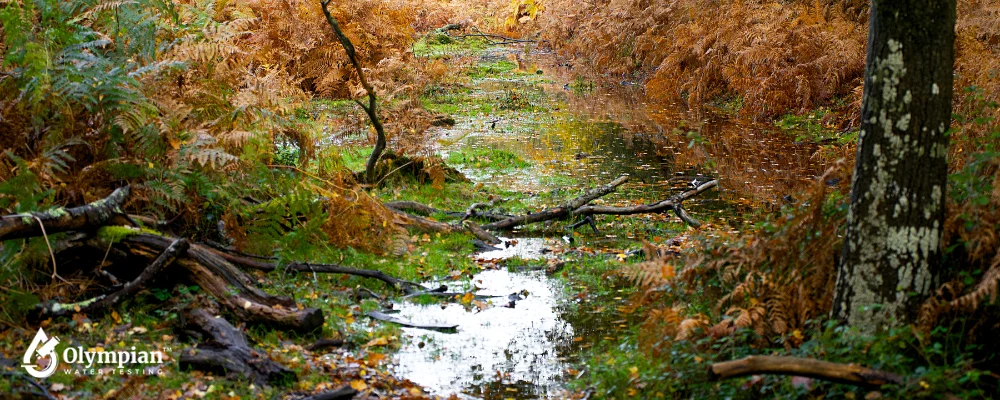
The composition of water in NYC’s reservoirs can change with the seasons, leading to noticeable variations in taste. This is often caused by an increase in organic material from rainfall, snowmelt, and decaying vegetation.
- Seasonal Changes: During spring and fall, decaying leaves and organic material leach into the water, introducing tannins and other compounds that create earthy or astringent tastes. These compounds are typically harmless, but sensitive palates may find them noticeable.
- Data Point: A 2021 report from the NYC Department of Environmental Protection (DEP) found that organic content increased by up to 30% during certain rainy seasons, leading to slight changes in water taste, particularly during spring.
2. Aging Infrastructure and Pipe Corrosion

NYC’s water pipes are aging, with some dating back to the late 1800s. This can lead to corrosion in old pipes, introducing iron and other metals into the water supply, giving it a metallic taste. Although much of the lead piping has been replaced, old galvanized steel pipes are still present in some buildings, and their corrosion can impact water quality.
- Pipe Corrosion: Corrosion can release iron, which reacts with chlorine used in disinfection, forming compounds that affect the taste. This is especially common in older buildings where pipes have deteriorated over time.
- Statistics: An estimated 10-15% of NYC buildings still have galvanized steel pipes, which are prone to rusting and causing metallic tastes in tap water.
3. Treatment Processes and Chemical Additives

NYC uses chlorine and chloramine for disinfecting water, which can sometimes leave an undesirable taste. Chlorine, while effective at killing pathogens, can cause a strong, pungent taste when used in higher amounts. To reduce this, chloramine has been introduced in some areas, which, although less odorous, still imparts a distinct taste.
- Chlorine Taste: Chlorine is effective at killing bacteria and other pathogens, but when used in higher concentrations, it can impart a noticeable chemical taste. This is especially evident when water demand increases, such as in summer months.
- Chloramine: NYC has started using chloramine in some regions, a combination of chlorine and ammonia. It is less intense than chlorine but still can react with organic matter to produce chlorinous by-products that affect the taste.
- Fact: The DEP has reported that chloramine is used in about 40% of NYC’s water distribution areas, particularly in areas that require long-term disinfection, such as water stored in large tanks.
4. Water Stagnation and Biofilm Formation

Water stagnation in pipes, especially in buildings with low water use, can cause water to taste stale and unpleasant. The prolonged stagnation leads to the growth of biofilms inside pipes, which are colonies of microorganisms that can introduce musty or moldy flavors into the water.
- Stagnation Issues: When water sits for extended periods in plumbing systems, it can react with the materials in pipes and accumulate microbial growth. This is more common in under-occupied buildings or buildings that don’t use water frequently.
- Biofilm Formation: In extreme cases, biofilms can slough off into the water, causing a musty or moldy taste.
- Data Point: The CDC estimates that around 7% of urban water systems, including those in NYC, experience some level of stagnation-related issues, particularly in older buildings.
Solutions to Address Bad-Tasting Water
Understanding the causes of bad-tasting water is the first step in addressing the issue. Here are some solutions to mitigate unpleasant tastes:
Municipal Improvements: The NYC Department of Environmental Protection (DEP) regularly adjusts treatment processes and performs maintenance on infrastructure. Residents should stay informed through public reports provided by the DEP, which detail any temporary changes to water quality.
Filtration Systems: Installing certified water filters, such as activated carbon filters, can help remove chlorine, chloramine, and other impurities that affect water taste. Filters can also help reduce any remaining trace metals from aging pipes.
Flushing Systems Regularly: In buildings with stagnation issues, residents can flush their taps regularly to improve the taste and maintain fresh water. This is particularly useful in buildings with irregular water usage.
Consider Pipe Replacement: For those living in older buildings with outdated piping, replacing galvanized steel or lead pipes with modern, corrosion-resistant materials like copper, PVC, or PEX can drastically reduce metallic tastes in water.
Conclusion
While New York City’s water supply system is robust and well-regulated, there are numerous factors that can occasionally impact the taste of tap water. Understanding these factors, from natural variations and treatment processes to infrastructure issues, is essential for addressing and mitigating taste complaints. Through both municipal efforts and individual action, residents can ensure that their tap water remains both safe and pleasant to drink. One key factor influencing the taste of NYC tap water is its pH level, which can vary based on the source and treatment methods used. Maintaining an optimal NYC tap water pH is crucial for preventing corrosion in pipes and ensuring that the water remains free from metallic flavors. Residents can also take proactive measures, such as using water filters or regularly flushing their plumbing systems, to enhance the taste and quality of their drinking water.
Concerned About Your Water Quality?
If you notice an unusual taste, smell, or discoloration in your water, it’s important to have it tested for safety. Don’t wait—ensure your water is clean and safe to drink. Schedule a Water Test Today and get peace of mind knowing your water is free from harmful contaminants.
Shedule Your Test Now!
Share this on social media:
Facebook
Twitter
LinkedIn