Urban Oasis: Protecting Water Quality in the City
- Published:
- Updated: December 16, 2024
Listen to this article
Summary
Protecting water quality in urban areas is crucial for safeguarding public health and the environment. Here’s what you need to know:
Understanding Contamination Sources: Urban water sources face contamination from various sources, including industrial runoff, sewage discharge, and aging infrastructure. Chemicals like fertilizers and pesticides can also contribute to contamination.
Best Practices for Reducing Contamination: Implementing green infrastructure, regulating chemical use, improving water infrastructure, monitoring water quality, and public education are effective strategies for reducing water contamination in urban areas.
Government and Community Role: Governments regulate chemical use, invest in infrastructure, and enforce regulations, while community members advocate for better policies, support initiatives, and practice responsible water usage.

At the centre of the city, deep in the middle of all the bustle and traffic, there is a scarce resource often neglected – fresh water. We drink it, we swim in it, we use it every day, we need healthy water. But the bigger and busier cities become, the more important water quality becomes. Now that contamination sources are multiplying, we have to do what we can to keep our cities water clean and healthy for all.
Understanding the Sources of Contamination in Urban Water Sources
The biggest issue with protecting water quality in cities is knowing where contaminants are coming from. Waterbodies in cities can be prone to contaminates from industrial and agricultural effluent to sewage effluent and stormwater runoff. They can spill toxic chemicals, pollutants and bacteria into the water system and endanger the health and wellbeing of the population.
And even chemicals — fertilizers, pesticides — can pollute the water. These chemicals leak into water supply via runoff, or from irrigation networks in agricultural landscapes. There’s also deteriorated water infrastructure and aging pipes that could release lead and other heavy metals into the water supply that could harm human health.
What are the Best Practices for Reducing Water Contamination in Urban Areas?

There are a number of best practices that can be implemented to reduce water contamination in urban areas. These include:
- Implementing green infrastructure: Green infrastructure, such as rain gardens, green roofs, and permeable pavements, can help to reduce water pollution by capturing and filtering runoff before it reaches water sources. By slowing down and filtering runoff, green infrastructure can help to reduce the amount of pollutants and chemicals that enter the water supply.
- Regulating the use of chemicals: Governments can regulate the use of chemicals, such as fertilizers and pesticides, to reduce their impact on water quality. This can include setting standards for chemical use, requiring best practices for storage and disposal, and enforcing regulations to reduce runoff.
- Improving water infrastructure: Investing in new and improved water infrastructure, such as water treatment facilities and pipes, can help to reduce the risk of water contamination. By upgrading water treatment facilities, governments can ensure that water is properly treated and that contaminants are removed before they reach the water supply.
- Monitoring water quality: New York water testing and monitoring is essential to ensure that water sources are safe and healthy. By monitoring water quality, governments and communities can quickly detect and respond to any contamination, reducing the risk to human health.
- Educating the public: Educating the public on the importance of water quality and how to protect it can help to reduce water contamination. This can include public awareness campaigns, community events, and educational programs. By educating people about the sources of water contamination and the steps they can take to reduce their impact, communities can work together to protect their water sources.
The Role of Government and Community in Protecting Water Quality
Water quality protection in the cities is our collective task and starts with the authorities and communities. This is where governments come in: to oversee chemical usage and enforce water pollution laws. They could, for instance, define water quality standards and collaborate with industry to reduce pollution. They can also spend on new and better water systems, to mitigate contamination and enhance water quality for the city’s inhabitants.
It’s also a water-quality protection that relies on residents. They can get involved by contacting government to push for better regulations and policies, assisting programs that work towards water conservation, and looking carefully at what they themselves are doing to pollute water. People, for instance, can conserve their own water, recycle their household chemicals, and contribute to local green infrastructure projects.
The Benefits of Green Infrastructure for Water Quality in Cities
The fight against water pollution in cities begins with green infrastructure. Green infrastructure can capture and filter runoff before it reaches water sources to reduce water contamination and improve water quality. There are many other benefits of green infrastructure, too, including:
Flood-prevention: Green infrastructure can help to reduce flooding in cities by harvesting and filtration of runoff.
Clean air: Green infrastructure like trees and vegetation will clean the air by removing pollutants and making the air cleaner.
Green infrastructure for liveable, attractive cities: Green infrastructure for liveable, attractive cities can also provide green spaces for urban residents to enjoy, a greener and more appealing look and feel to urban neighbourhoods, and more sustainable societies.
Innovative Technologies for Improving Urban Water Quality
Besides green infrastructure, there are a few new technologies that can be employed to upgrade urban water quality. These include:
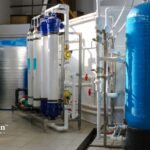
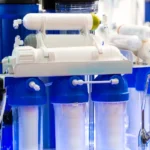
Water treatment technologies: Reverse osmosis, nanofiltration, etc can eliminate pollutants in water supply. These can be applied to treat water better and less prone to contamination, resulting in higher water quality.
Water monitoring systems: Monitoring systems for water such as real time sensors and remote monitoring system can detect water contamination much earlier and more precisely. When water quality is constantly monitored, local communities can react to any ill-health immediately.
Smart water meters: Smart water meters can save water and enhance water efficiency, which in turn improves water quality. With sensors and real-time monitoring, smart water systems can enable the use of water by communities that save on waste and improve water quality.
Educating the Public on the Importance of Urban Water Quality and How to Protect It
Water quality conservation in cities involves education. We can educate citizens about the value of clean water and its protection to reduce water pollution and build more sustainable, liveable cities if we educate them. It can be something as simple as educating the public, to holding community events and educational programmes.
The way we should talk to people is where are they polluting water and how can they minimize the damage they do to the water. That can be as simple as applying less fertiliser and pesticides, recycling household chemicals, and saving water. Also, tell people why regular water testing and monitoring is necessary, and how they can participate in water quality protection at home.
Share this on social media:
Facebook
Twitter
LinkedIn

Related Posts