

Understanding the Basics of Purification
Water filtration is a precise process that removes unwanted particles from every glass. Many systems use a reverse osmosis membrane to separate dissolved solids from the liquid. This membrane allows water molecules to pass through while keeping harmful matter out, improving taste.
How Membrane Filtration Works
A semipermeable layer is at the heart of this process. It blocks larger pollutants, then channels purified water into a collection chamber. This crossflow action directs waste out of the system, reducing buildup in the membrane. Reliable brands like Dow Filmtec focus on perfecting each reverse osmosis membrane to enhance efficiency.
Typical Contaminants Removed
Common threats include metals or chemical impurities that can enter municipal supplies. A standardized barrier traps lead and arsenic before they reach the tap. Fluoride and other elements are often removed as well, reducing risks and boosting overall water quality.
Contaminant | Category | Common Source |
Lead | Heavy Metal | Crafted Plumbing Components |
Arsenic | Toxic Element | Natural Bedrock |
Fluoride | Mineral | Groundwater Deposits |
Why Filtration Methods Matter
Different filtration methods serve unique purposes and help ensure water safety. Carbon block filters excel at reducing chlorine and organic compounds. Semipermeable membranes are designed to remove microscopic particles and heavy metals. UV units disinfect by targeting harmful bacteria and viruses without chemicals. Each method provides targeted protection, shaping how individuals select the best water purifier for their household.
Many people find value in multi-stage setups that combine sediment filters, carbon layers, and a reverse osmosis membrane. This approach tackles pollutants at various levels, boosting water clarity and overall taste. Brands like Brita and Culligan offer systems that integrate these elements in one streamlined design. Factors such as local water quality and personal preferences often guide this decision.
Some areas experience high levels of microbial contaminants or elevated Total Dissolved Solids, making a specialized system essential. Properly matching the filtration technology to these challenges helps homeowners achieve water they can trust. A versatile model remains a solid choice for those seeking the best water purifier for diverse conditions.
Key Factors in Comparison
Many shoppers look for a water filtration system that meets their home and lifestyle needs. Some models are designed for easy setup, while others focus on long-term efficiency. Each aspect affects daily use and budget.
System Size and Installation Requirements
Under-sink models from brands like iSpring or APEC typically cost between $200 and $600, averaging around $400. Installation might require a professional if drilling into the sink is necessary. On the other hand, countertop units from brands like Bluevua are easy to install and take up minimal space. They might, though, clutter countertops.
Both types of systems have their merits. The size and installation complexity determine how seamlessly they fit into the kitchen.
Long-Term Maintenance Considerations
Regular filter replacements are essential for maintaining water quality. Replacements usually cost under $50 and are needed every six months. Membranes, which filter out impurities, need to be replaced every 1–2 years at a cost of $20–$50. Newer designs, like twist-off cartridges, simplify the process.
A permeate pump can also reduce waste and improve water flow. Finding the right balance between these factors can save money and ensure water remains fresh-tasting.
System Type | Approx. Cost | Filter Frequency | Membrane Interval | Key Benefit |
Under-Sink | $200–$600 | Every 6 Months | 1–2 Years | Saves Counter Space |
Countertop | Varies by Brand | Every 6 Months | 1–2 Years | Easy Installation |
Identifying Residential Needs
Every household’s water usage is unique, influencing the choice of a residential RO system. Some might prefer a compact system for apartments, while others need a more powerful unit for their high water needs. Families often look for a system that provides a steady supply of clean water for cooking and drinking, making capacity and flow rate critical factors.
The EPA suggests checking local water reports or conducting tests at home to spot issues like lead or chlorine. In areas with water containing various contaminants, a residential RO system with advanced filtration is ideal. Homeowners looking to save space might choose under-sink models, while those with larger kitchens might prefer freestanding systems.
Consider the table below as a quick reference:
Household Size | Recommended Flow Rate (GPD) | Design Priority |
1-2 People | 50 GPD | Space-saving |
3-4 People | 75 GPD | Mid-range capacity |
5+ People | 100+ GPD | High volume |
Choosing a device that meets these specific needs can enhance your living space’s efficiency and promote better water health.
Popular Brands and Their Unique Features
Leading names in home filtration offer distinct ways to enjoy reverse osmosis benefits. Each brand focuses on user satisfaction, balancing performance with convenience. They cater to both modern kitchens and larger households.
For a detailed look, explore this guide on top-rated systems. It explains how these systems minimize impurities, ensuring fresh-tasting water.
Reputation for Quality and Durability
Brands like iSpring, ZeroWater, and Moen are known for their durable construction. iSpring’s RCC7 stands out for consistent purification. APEC offers cost-effective models that fit compact spaces. Some units feature metal components or higher-grade filters, promising longer lifespans.
Customer Support and Warranty Insights
Excellent service and warranties greatly impact user satisfaction. iSpring is praised for its quick solutions. APEC provides a straightforward parts-replacement promise, saving time. Moen appeals to those who value a recognized brand with ample support. These elements ensure households enjoy reverse osmosis benefits with minimal maintenance.
Brand | Key Feature | Reason to Choose |
iSpring | Reliable Lab Performance | Proven Purification Results |
APEC | Cost-Conscious Units | Budget-Friendly With Compact Designs |
Moen | Sturdy Build | Trusted Brand for Durable Fixtures |
ZeroWater | Innovative Filter Technology | Advanced Removal of Impurities |
Choosing the Right System for Large Households
Families with high water usage require systems that can handle increased flow rates and consistent performance. Experts often suggest larger storage tanks paired with dependable filter stages to meet daily needs. Models like iSpring RCC7 and APEC WFS-1000 are designed for under-sink use, ensuring they keep up with larger households when filters are timely replaced.
For large homes, RO water filtration systems typically come with durable membranes, increased tank capacity, and strong pre-filters. These elements ensure steady water flow while maintaining water quality. This setup provides peace of mind, knowing the system is built to handle heavy loads, reducing the chance of sudden pressure drops.
While high-volume filtration may incur slightly higher monthly costs, the long-term benefits are significant. Regular clean water consumption reduces the risk of persistent contaminants. Regardless of the brand chosen, regular maintenance is key to optimal performance and preventing unexpected system downtime.
Brand | Approx. Daily Capacity | Key Feature |
iSpring RCC7 | 75 gallons | Compact design with solid pre-filters |
APEC WFS-1000 | 90 gallons | High flow rate for RO water filtration |
Compact Solutions for Small Spaces
Small kitchens and tight layouts benefit from filtration options that save room while delivering fresh water. Many choose discreet fixtures that tuck beneath sinks or opt for setups that blend seamlessly with everyday routines. Both approaches suit apartments and smaller homes seeking reliable purification.
Under-Sink Models
These systems rest out of sight, sparing precious counter area. They often use more complex filtration stages, leading to thorough contaminant removal. Some installations need drilling or specialized faucets, which may not appeal to renters. Costs can be higher, yet the unobtrusive design and robust performance tempt owners who want permanent solutions.
Countertop Alternatives
Units that sit beside the sink are ideal for those lacking plumbing skills or permission to modify fixtures. A popular example is the Bluevua RO100ROPOT-UV, featuring countertop reverse osmosis technology and a compact design. It supports a six-stage process with UV protection, making it easy to maintain. ZeroWater’s pitcher provides a portable, no-installation option for light daily needs and small households. These convenient filters fit renters or anyone wanting instant setup.
Feature | Under-Sink System | Countertop Unit |
Installation | Requires plumbing | Quick, plug-and-use |
Space Usage | Hidden below sink | Occupies some counter |
Portability | More permanent | Portable and renter-friendly |
Why Reverse Osmosis Water Is Popular
Households often seek the added assurance of advanced water filtration. This process targets contaminants that can impact water quality and leave behind harsh residues. Under-sink RO systems, fitting neatly in a kitchen cabinet, enhance hydration routines and streamline meal prep.
Health Benefits and Mineral Balance
Reverse osmosis systems remove heavy metals and chemical byproducts, lowering health risks. Some models also replenish minerals like calcium and magnesium, aiming for a balanced water profile. This aligns with long-term health goals and is ideal for those monitoring their nutrient intake.
Improving Taste and Odor
Reverse osmosis setups eliminate unpleasant tastes caused by chlorine and other tap water compounds. Testers from reputable brands note the systems produce crisp, neutral-tasting water. This enhances the taste of beverages and soups, providing a clean finish. Under-sink RO solutions offer a refreshing drinking experience without cluttering countertops, making them a practical choice for daily hydration.
Filter Replacement Schedules and Costs
Maintenance is key to keeping water fresh and safe. An RO water system depends on parts like prefilters and carbon blocks. These often need to be replaced every 6 to 12 months. Membranes, on the other hand, can last up to two years, depending on water conditions and usage.
Filter costs vary by brand. iSpring replacement sets are around $50 per year, appealing to those looking to save. ZeroWater filters, though, can cost about $450 annually for heavy users. APEC falls in the middle, balancing quality and cost.
By monitoring water quality and scheduling replacements, costs can be kept in check. Planning ahead ensures a well-maintained RO water system provides consistent purification. A simple chart or app can help track replacement times, making budgeting easier over time.
Insights on Water Pressure and Flow Rates
Water pressure significantly impacts the efficiency of a reverse osmosis system. Lower psi can slow down filtration, resulting in less pure water. This makes daily use less convenient. A booster pump often resolves weak supply issues, ensuring steady membrane function.
Choosing the right product involves checking the recommended psi ranges for under-sink or countertop models. Guidelines from GE or APEC highlight minimum pressure levels for optimal flow rates. This helps buyers avoid unexpected issues.
Ensuring Optimal Performance
Proper psi is key to faster refills and consistent water quality. A reverse osmosis system performs best with stable pressure. This preserves taste and supports a healthier mineral balance. Feedback suggests maintaining at least 40 psi for smooth operation.
Avoiding Installation Pitfalls
Ensuring enough space for the storage tank is essential. Proper clearance around drains prevents backups and leaks. Key steps include:
- Measuring cabinet space to accommodate standard tank dimensions
- Reviewing product manuals for detailed pressure guidelines
- Confirming drain connections match the unit’s size and flow rating
These strategies ensure a reverse osmosis system operates efficiently, avoiding costly mistakes.
Comparing Long-Term Expenses
Many individuals consider more than the initial cost of a filtration system. They look at how annual expenses accumulate. Brands like iSpring, Bluevua, and APEC provide options with different filter replacement intervals. Pitchers may have a lower upfront cost, but the need for frequent replacements can make their total cost similar to more durable models.
When evaluating, it’s essential to consider the cost of filter and membrane replacements. APEC filter sets can cost between $25 to $50 annually. Countertop systems might cost around $150 each year, while pitchers for heavy use could reach $450 over time. Each brand has its own replacement schedule, prompting buyers to estimate replacement frequency before making a choice.
Systems with a robust reverse osmosis membrane offer consistent performance. This predictability in replacement needs can save money in the long term. It ensures a steady supply of clean drinking water.
Eco-Friendliness and Waste Water Reduction
Choosing the right water purifier can significantly reduce waste at home. Even small design tweaks can lead to substantial resource conservation. Newer systems often employ advanced materials or pumps to minimize water discharge.
Environmental Impact
Discarded water is a significant loss of valuable resources. Older filtration methods can result in more than three gallons of waste for every gallon produced. Brands now focus on sustainable solutions, encouraging users to repurpose reject water for tasks like rinsing dishes or watering plants.
Efficiency Upgrades
Manufacturers are now incorporating recirculation features to reuse leftover water. These enhancements not only reduce waste but also lower utility costs. For instance, a countertop model from Bluevua achieves a 2:1 ratio of filtered water to discharge. Users can further enhance efficiency by installing booster pumps or switching to low-waste membranes. This approach optimizes the performance of the best water purifier while minimizing environmental impact.
Brand | Approximate Ratio | Key Eco Feature |
Bluevua | 2:1 | Integrated recirculation system |
Culligan | 3:1 | High-efficiency membranes |
APEC | 3:1 | Low-reject booster pump |
Understanding the Science Behind Reverse Osmosis Water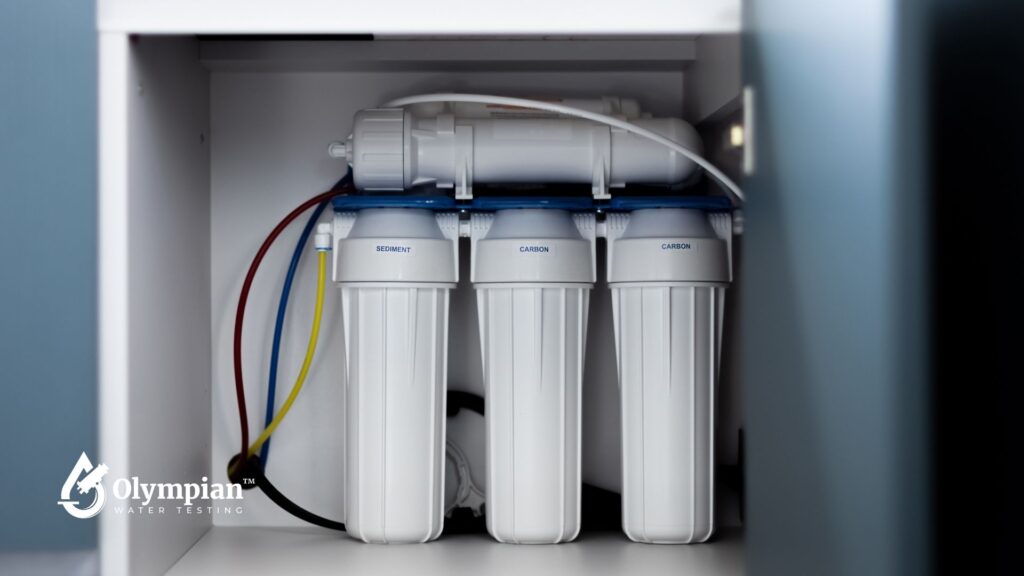
Reverse osmosis uses a unique process to filter out unwanted particles from water. It often pairs with a water filtration system to improve taste and clarity. Scientists highlight the membrane’s tiny pores as critical in blocking heavy metals and corrosive substances.
Membranes act as a selective barrier, allowing water molecules to pass while trapping impurities. This barrier ensures contaminants are effectively removed. Regular maintenance, such as timely filter replacements, is essential for consistent performance with brands like APEC or iSpring.
Role of Semipermeable Membranes
Semipermeable membranes capture ions and fine particles without hindering flow. Their design combines physical separation and chemical interactions, boosting water purity. Proper maintenance is vital to maintain the membranes’ integrity and longevity.
Impact on Overall Water Quality
Users often report fewer odors and a cleaner taste when reverse osmosis is combined with carbon filtration. This combination removes substances like chlorine, resulting in fresher water at home or work. These membrane-based processes provide a reliable way to enhance drinking water quality.
Exploring Add-On Options and Customizations
Homeowners seeking more from their water systems often look into UV attachments or remineralization cartridges. These upgrades enhance the reverse osmosis process by tackling microbial threats and replenishing vital minerals. For those with well water, permeate pumps become a solution for better flow and efficiency.
Popular upgrades include:
- UV purification for greater defense against bacteria
- Remineralization to enhance flavor and replenish lost nutrients
- Permeate pumps that boost pressure and reduce water waste
Brands like iSpring and APEC offer systems that can accommodate these enhancements without extensive changes. Each addition allows for customization, ensuring that various households can enjoy the benefits of reverse osmosis tailored to their needs. Those who choose these upgrades often find the added features worth the investment, given the higher purity standards required by local water conditions.
Advanced Features That Enhance Performance
Modern technologies have transformed RO water systems, moving beyond basic filtration. Many now come with digital displays or sensor alerts, allowing households to monitor performance in real time. These systems boast high production capacities and compact designs, catering to various needs. Whether for mid-sized homes or busy office spaces, there’s a solution.
Smart Monitoring Systems
Smart faucets with LED screens provide instant TDS readings and filter status updates. Models like the Waterdrop G3 P800 can filter up to 800 gallons daily, showing the remaining filter life. UV sterilizers, powered by efficient LED lamps, enhance cleanliness by killing microorganisms. Wi-Fi integration enables remote monitoring, reducing maintenance surprises and ensuring peace of mind.
Multi-Stage Filtration Upgrades
Brands like APEC offer five-stage filtration processes, removing contaminants such as arsenic and lead. Some systems even have seven or more stages for thorough treatment. These advanced RO systems tackle sediment, chemicals, and odors in one setup. With extra layers, they deliver crisp, reliable water for everyday use, elevating home hydration standards.
Final Thoughts on Choosing Your Ideal System
Budget, space, and contaminant concerns are key to making a smart choice. Consumer reviews show APEC Water for durable parts, iSpring for simple under-sink setups, and Express Water for advanced multi-stage filtration. Each brand focuses on user convenience and reliable performance. RO water filtration is a standout, providing a cleaner taste and tackling various impurities.
When deciding, consider the cost of ownership, warranties, and after-sale support. This approach ensures long-term satisfaction with fresh-tasting water daily. The ideal choice combines proven reliability with household needs, whether it’s a large system or a compact one for small spaces. Adopting RO water filtration can make daily routines healthier and more economical, bringing lasting quality and peace of mind to families..