Unearthing the Secrets of Spring Water: A Journey into Nature's Purest Resource
- Published:
- Updated: February 17, 2025
Listen to this article
Summary
Spring water, sourced naturally from underground springs, undergoes a fascinating journey through geological formations, filtering impurities and absorbing minerals along the way. Distinguished by its purity and mineral content, spring water offers a unique taste and potential health benefits. While famous springs worldwide showcase its diversity, responsible sourcing and testing protocols are crucial to ensuring its safety. Sustainable practices are also essential to mitigate environmental impacts and preserve this valuable resource for generations to come.
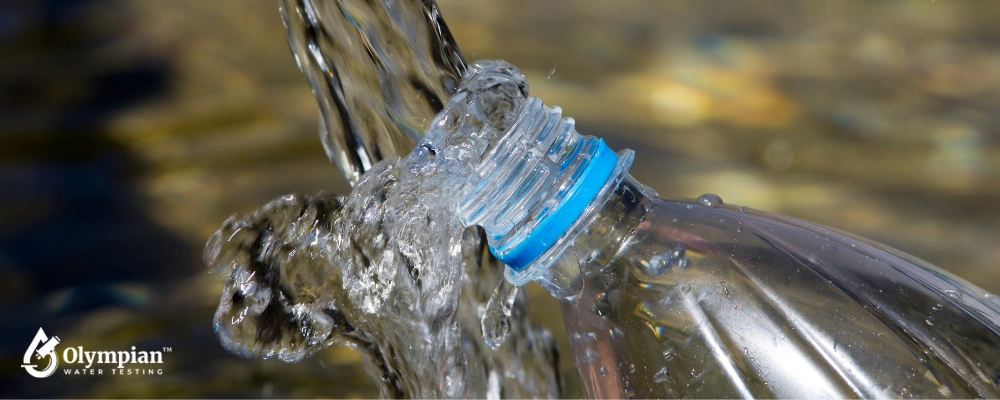
Spring water is just that, water from a natural spring. These springs arise as the water from the Earth’s crust — fed by rain and snow — flows up to the surface. Unrelated to any other water, spring water is unique in where it comes from, and its special attributes start here.
A lot of the beauty about spring water is the purity. When it rises through the soil and rock, it is naturally filtered to give us fresh, mineral-enriched water. That filtered natural flow is why spring water is such an interesting topic. Moreover, the benefits of spring water extend beyond just hydration; it is rich in essential minerals such as calcium, magnesium, and potassium, all of which contribute to overall health. This mineral content not only enhances the flavor of the water but also supports various bodily functions, making it a popular choice among health enthusiasts. Additionally, the natural structure of spring water is believed to promote better absorption, helping our bodies utilize these nutrients more effectively.
How do springs form?
The creation of springs is a geologically interesting act that starts with rain. Rain or snow that falls upon the surface of Earth soaks into soil, rocks and sediment. This water, which is now a part of the groundwater cycle, slowly crawls across the Earth until it finds an unintact layer through which it can’t seep.
When this is the obstacle, groundwater will take the least effort to go over that and then run along that till it finds an outlet at the surface. The natural drain is the spring we know it as. It is not an easy task, and requires hydrogeological dynamics of years or decades.
The Journey of Spring Water

The cycle of spring water is one of nature’s best. It starts with rain or snow dumping down on the Earth. This water then reaches the soil and rocks through it. As it flows, it passes through a kind of natural filter, with the soil and rock as a sieve picking out larger contaminants.
Meanwhile, the water draws minerals from the rock around it to flavour it and sweeten it. It’s this journey through the Earth, combined with natural filtering and mineralisation, that makes spring water so special.
Spring Water vs. Other Types of Water
While all water is vital to life, not all water is the same. Spring water stands out from its counterparts in several key ways:
- Tap water, while easily accessible and treated to ensure safety, often lacks the natural minerals found in spring water and may contain added substances like chlorine.
- Mineral water, like spring water, is rich in minerals. However, it often contains a higher mineral content due to its source.
- Distilled water has gone through a process to remove all impurities and minerals, resulting in a neutral taste.
By contrast, spring water, with its natural filtration process and mineral content, offers a unique balance of purity and taste.
The Composition of Spring Water
Springs water is not always of the same composition, depending on where it’s being tapped, but generally contain a bounty of healthy minerals filtered out of the surrounding geology. These minerals can be calcium, magnesium, potassium, etc., which make the water tastier and healthy.
But there’s a catch: not all spring water is created equal. Depending on the local geology, spring water may have many minerals and different amounts. This variation brings an extra dimension of fascination to spring water.
Spring Water Around the World
Many are known around the world, and there are different water types of each. There’s the Evian spring in the French Alps, for example, that’s known for its naturally mineral-filled water. Nor can the springs of San Pellegrino in Italy be denied their distinctive mineral structure for hundreds of years.
There’s natural carbonated spring water in Saratoga Springs, New York State in the United States. These are just a few examples of the world’s spring water diversity and what each source can offer. All this variety makes spring water, and the potential of spring water, all the more intriguing.
Potential Contaminants in Spring Water
But even with the filtering process of nature and its pristine standing, it can still be contaminated. These could be bacteria, viruses or even organic contaminants such as radon or arsenic, depending on the geology of the spring.
For the health of spring water, good bottlers follow strict test and treatment guidelines as required by health and environmental authorities. Such precautions are meant to detect and mitigate risks so consumers can rest easy with the convenience of spring water.
Sustainable Sourcing of Spring Water
But as the market for spring water continues to expand, so do worries about the environment involved in mining and distributing it. Filtration and transport of spring water can waste a lot of energy and waste products. The spring water industry therefore is putting more emphasis on sustainable sourcing and reducing its environmental footprint.
Such practices may include:
Effortless water extraction that doesn’t leave the ecosystem behind.
Renewable energy for bottling and distribution stations.
– Packaging waste reduction through recycling and new packaging design.
As long as spring water is produced sustainable and in the least harmful way, the industry can help ensure the supply of this resource for future generations.
Share this on social media:
Facebook
Twitter
LinkedIn

Related Posts