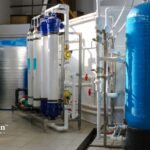
Understanding the Science Behind Water Filters
- Published:
- Updated: February 17, 2025
Listen to this article
Summary
Water filtration systems use mechanical, chemical, biological, and advanced methods like reverse osmosis to remove contaminants from water. These systems ensure safe drinking water by addressing various pollutants, and selecting the right system depends on water quality and needs.
- Mechanical filters remove larger particles and protect other filtration methods from clogging.
- Chemical filtration, like activated carbon, adsorbs chemicals such as chlorine and improves taste.
- Advanced systems like reverse osmosis and UV filters target specific contaminants for thorough water purification.

In an era where environmental concerns are paramount, the significance of clean water cannot be overstated. As the global population continues to grow, the demand for safe drinking water increases, making effective water treatment processes more critical than ever. Water treatment processes, including the use of water filters, play a crucial role in ensuring the safety and quality of our drinking water. This article aims to elucidate the scientific principles underlying water filtration systems, offering a detailed yet accessible examination for those seeking to understand how these vital systems operate. By demystifying the complex processes involved, we hope to provide insights that empower individuals and communities to make informed decisions about their water consumption.
The Importance of Water Treatment
Water treatment is an essential process that ensures water is safe for human consumption and other uses. It involves the removal of contaminants and impurities, which can include microorganisms, chemicals, and particulate matter. Without effective water treatment, the risk of waterborne diseases increases, posing significant threats to public health. The primary goal of water treatment is to provide safe drinking water, but it also serves to protect the environment and public health. By preventing pollutants from entering natural water bodies, treatment processes help maintain ecological balance and support biodiversity.
Water Quality and Standards

Water quality is determined by various physical, chemical, and biological parameters. These parameters are measured against established standards to assess whether water is suitable for its intended use. Regulatory bodies, such as the Environmental Protection Agency (EPA) in the United States, set stringent guidelines to control the levels of contaminants in drinking water. These standards are based on scientific research and are periodically updated to address emerging contaminants and technological advancements. Compliance with these standards is crucial for water utilities and private water suppliers, as failure to meet them can result in legal penalties and public health crises.
How Do Water Filters Work?
Water filters employ a variety of methods to remove impurities from water. Understanding how these filters work requires a grasp of the basic principles of filtration and the specific technologies employed in different water filtration systems. Each method targets different types of contaminants, and the effectiveness of a filter can vary depending on the water source and the specific impurities present. This section will explore the diverse mechanisms of action that allow water filters to purify water, highlighting the science that makes these systems both innovative and effective.
Mechanical Filtration
Mechanical filtration is one of the simplest forms of water filtration. It involves physically removing particles from water by passing it through a barrier or medium. The effectiveness of mechanical filters depends on the size of the pores in the medium, which can range from large enough to capture sediment to small enough to remove microscopic pathogens. This type of filtration is particularly useful in removing larger debris and sediments, making it a common first step in water treatment processes. Additionally, mechanical filters can protect more delicate filtration systems from clogging by larger particles, thereby enhancing the overall efficiency and lifespan of the water treatment system.
Chemical Filtration
Chemical filtration involves the use of chemical processes to remove impurities. This method can include the use of activated carbon filters, which adsorb organic compounds, chlorine, and other chemicals from water. Activated carbon filters are particularly effective at improving taste and odor, as well as removing chlorine and volatile organic compounds (VOCs). These filters work through a process known as adsorption, where impurities are attracted to and held on the surface of the carbon. The high surface area of activated carbon makes it an excellent medium for adsorption, allowing it to capture a wide range of contaminants and significantly enhance water quality.
Biological Filtration
Biological filtration utilizes living organisms to remove contaminants from water. This process is often used in conjunction with other filtration methods. Biological filters can effectively reduce levels of nitrates, ammonia, and other nitrogenous compounds by facilitating the activity of beneficial bacteria. These bacteria break down harmful substances, converting them into less toxic forms that can be safely released into the environment or further treated. By harnessing natural processes, biological filtration offers an eco-friendly solution that can complement mechanical and chemical methods, creating a comprehensive approach to water purification.
Reverse Osmosis
Reverse osmosis (RO) is a highly effective filtration method that removes a wide range of contaminants. It operates by forcing water through a semi-permeable membrane, which allows water molecules to pass while blocking larger molecules and ions. RO systems are capable of removing up to 99% of dissolved salts, bacteria, and other impurities, making them a popular choice for both residential and industrial water treatment. The process is energy-intensive but provides a high level of purification, often used in desalination and for producing ultrapure water for medical and industrial applications. Despite its complexity, reverse osmosis remains a cornerstone of modern water treatment, renowned for its ability to deliver clean, safe drinking water.
Types of Water Filtration Systems
Various water filtration systems are available, each designed to address specific water quality issues. The choice of system depends on the contaminants present in the water and the desired level of purification. Understanding the strengths and limitations of each system can help individuals and businesses select the most appropriate solution for their needs. This section will explore different types of water filtration systems, highlighting their unique features and applications in both domestic and industrial settings.
Point-of-Use Systems
Point-of-use (POU) systems are installed at a single water outlet, such as a kitchen faucet, to provide filtered water for drinking and cooking. These systems can include countertop filters, under-sink filters, and faucet-mounted filters. POU systems are convenient and relatively easy to install, making them a popular choice for household use. They offer targeted filtration, allowing consumers to address specific contaminants without altering their entire water supply. Additionally, POU systems are cost-effective and can be tailored to meet individual needs, making them an accessible option for improving water quality on a personal level.
Point-of-Entry Systems
Point-of-entry (POE) systems, also known as whole-house systems, are installed at the main water line entering a home. These systems treat all the water used in the household, including water for bathing, laundry, and other non-consumable purposes. POE systems are particularly useful in areas with high levels of sediment or other contaminants that can affect plumbing and appliances. By providing comprehensive filtration, POE systems ensure that all water entering the home meets safety standards, protecting not only health but also the longevity of household infrastructure. This holistic approach is ideal for families and communities seeking wide-ranging water quality improvements.
Specialized Systems
Specialized water filtration systems are designed to address specific contaminants or water quality issues. For example, iron removal systems use oxidation and filtration to eliminate iron from water, while ultraviolet (UV) systems use UV light to disinfect water by inactivating microorganisms. These systems are often used in conjunction with other filtration methods to provide a tailored solution to unique water quality challenges. By targeting particular impurities, specialized systems can effectively resolve issues that general filtration methods might not fully address, providing peace of mind and ensuring compliance with health and safety standards.
Practical Considerations and Maintenance
The effectiveness and longevity of a water filtration system depend on regular maintenance and proper use. Filters must be replaced according to the manufacturer’s recommendations to ensure optimal performance. Neglecting maintenance can lead to reduced efficiency and even contamination, as clogged or expired filters may become breeding grounds for bacteria. Additionally, it’s important to choose a system that is certified by reputable organizations, such as NSF International, to guarantee its efficacy and safety. Certification ensures that the system has been tested against rigorous standards and is capable of delivering the promised level of filtration.
Selecting the Right System
Selecting the appropriate water filtration system requires an understanding of the specific contaminants present in your water supply. Water quality testing can identify these contaminants and help determine the most suitable filtration method. Consulting with water treatment professionals can also provide valuable insights and recommendations. By analyzing water test results, experts can suggest the best system configurations to address particular needs, ensuring both effective filtration and cost-efficiency. Taking the time to select the right system can lead to long-term benefits, enhancing water quality and safeguarding health.
Conclusion
The science behind water filters is both intricate and fascinating, encompassing a range of physical, chemical, and biological processes. By understanding these processes, individuals can make informed decisions about the best water filtration solutions for their needs. Whether addressing regulatory testing requirements or resolving personal water quality issues, knowledge of water treatment is invaluable in ensuring the safety and purity of this vital resource. As we navigate the complexities of modern water challenges, this understanding becomes increasingly crucial.
Water filters are not just a modern convenience; they are a critical component of public health and environmental stewardship. As we continue to face new challenges in water quality, the importance of effective filtration systems and the science behind them will remain at the forefront of efforts to provide clean and safe water for all. By investing in robust filtration solutions and staying informed about technological advances, individuals and communities can contribute to a sustainable future where access to clean water is a universal reality. Moreover, embracing the best natural water filtration methods can enhance local ecosystems while ensuring that our water sources are preserved for future generations. Techniques such as constructed wetlands, sand filtration, and biofiltration not only improve water quality but also promote biodiversity, creating healthier environments for both people and wildlife. By incorporating these sustainable practices into our water management strategies, we can help build resilient communities that prioritize the health of our planet.
Share this on social media:
Facebook
Twitter
LinkedIn

Related Posts