
Uncovering the Sources of Lead Contamination in Drinking Water
- Published:
- Updated: December 16, 2024
Listen to this article
Summary
Lead contamination in drinking water stems from various sources, including lead pipes, service lines, and lead-based solder. Its adverse health effects, especially on children, range from developmental delays to learning disabilities. Governments and organizations play a vital role in addressing this issue through testing, pipe replacement, education, regulations, and research investment. Lead contamination disproportionately affects minority and low-income communities, necessitating targeted interventions. Long-term monitoring and management are essential to ensure continued access to clean and safe drinking water, emphasizing the need for ongoing efforts to mitigate lead exposure and safeguard public health.
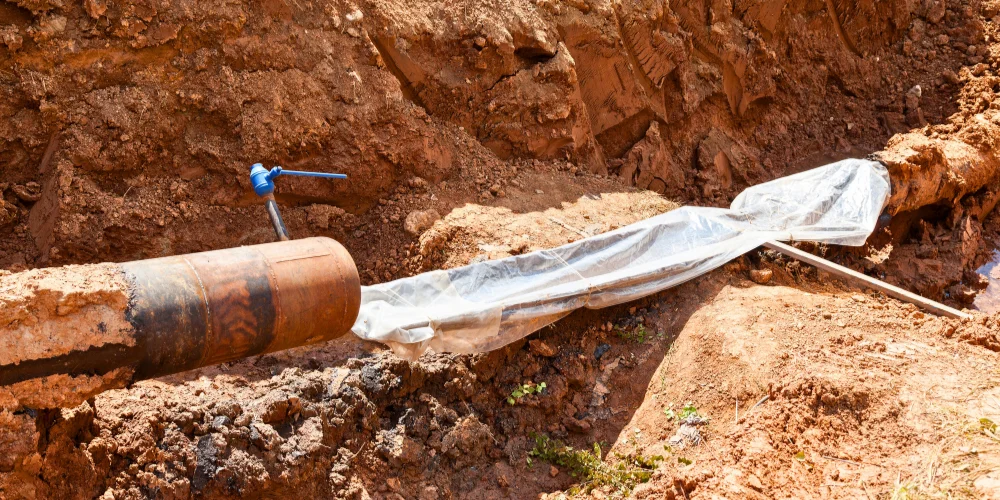
Drinking water lead contamination is also an extremely serious public health issue because lead at very low levels can be deadly for our health, especially when kids are involved. Lead contamination of water may be created or uncreated, ranging from lead pipes, to plumbing fixtures and lead in groundwater. We must know the source of lead contamination in water supply so that remediation can be taken to prevent or minimize exposure to lead.
What is Lead Contamination in Drinking Water?
Lead contamination: lead is a dangerous health hazard found in the water. Lead is a carcinogenic metal that is highly damaging to the human body and its children, including developmental retardation, learning disabilities and behavioural problems. One can get exposed to lead inhaling, swallowing and on the skin. But drinking water is also the most frequent source of lead exposure to the population, a public health issue.
What are the Sources of Lead Contamination in Drinking Water?
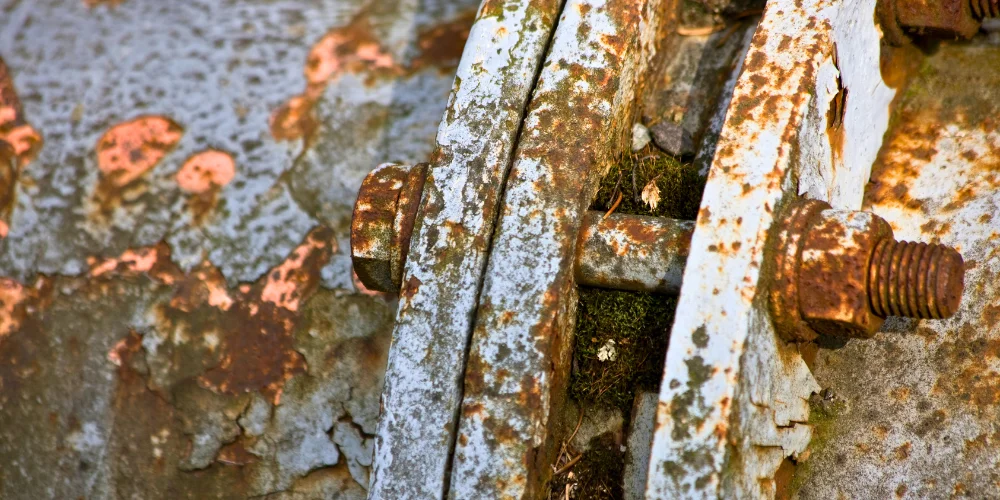
Drinking water contaminated with lead might result from the following:
Lead pipes: Lead pipes were common in homes and buildings before the 1980s. Over time, those pipes rust and let lead leak into the drinking water, polluting it.
Lead service lines: Lead service lines hook up houses and businesses to the mains water supply and lead may leach into the water, contaminating the water.
lead solder: Lead solder used to be found in plumbing, however it may leak lead into the drinking water and foul it.
Apart from these, other sources include lead-contaminated soil, lead paint and industrial emissions.
The Health Consequences of Lead Contamination in Drinking Water
Lead can be fatal, especially for children. Here are a few of the health consequences of lead:
Developmental Delays: Lead may lead to developmental delay of a child, including learning, memory and behavior impairment. Children who come in contact with lead may not be able to listen, learn directions and finish assignments.
Learning disabilities: Children with lead exposure will develop learning disabilities and may struggle to learn and do well in school. Kids who have been exposed to lead may not be able to read, write or do any math.
Behavioural Disorders: Lead exposure can lead to behavioral disorders in children such as attention deficit hyperactivity disorder (ADHD), aggression and impulsivity. Children exposed to lead will have a hard time staying in check and keeping his/her rules.
Other health consequences of lead include anemia, kidney damage and reproductive problems.
The Importance of Addressing Lead Contamination in Drinking Water
We need to tackle lead in drinking water if we are to maintain public health and reduce the possibility of dangerous health issues, especially among children. If we have access to healthy drinking water, we are less likely to come in contact with lead and all the related illnesses. Additionally, treating lead contamination of drinking water can also help communities lead better lives and reduce the healthcare cost of lead.
The Role of Governments and Organizations in Addressing Lead Contamination in Drinking Water
Governments and organizations play a crucial role in addressing lead contamination in drinking water. Some of the steps that can be taken to address this issue include:
- Testing for Lead: Governments and organizations can work together to test for lead in schools drinking water, to determine the extent of the problem and identify the sources of lead contamination. Regular testing can help to ensure that drinking water is safe and free from lead contamination.
- Replacing Lead Pipes: Governments and organizations can collaborate to replace lead pipes, which are a major source of lead contamination in drinking water. Replacing lead pipes with safer, lead-free alternatives can significantly reduce the risk of lead exposure and improve the quality of drinking water.
- Providing Education and Information: Governments and organizations can work together to educate the public about the dangers of lead exposure and the steps that can be taken to reduce the risk of lead exposure. Providing information about the sources of lead contamination, the health consequences of lead exposure, and how to reduce exposure can help to raise awareness and encourage action to address this critical issue.
- Implementing Regulations and Standards: Governments and organizations can implement regulations and standards to ensure that drinking water is free from lead contamination. These regulations and standards can include limits on the amount of lead allowed in drinking water, requirements for regular testing, and guidelines for replacing lead pipes and other sources of lead contamination.
- Investing in Research and Technology: Governments and organizations can invest in research and technology to better understand the sources of lead contamination and develop new methods for detecting and mitigating lead exposure. This research can help to inform policies and practices to address lead contamination in drinking water and reduce the risk of lead exposure.
The Impact of Lead Contamination on Minority and Low-Income Communities
The impacts of lead contamination in water sources can be especially extreme for minorities and poor people. They are communities accessed by a legacy infrastructure and most prone to lead pipes, lead-based solder and other lead contamination. Moreover, these groups might not have access to information about lead exposure or even resources to take care of the matter.
Governments and institutions need to prioritise the action to decrease lead exposure in these communities to mitigate this disparity. This could be targeted outreach and education initiatives, targeted infrastructure investments, or targeted regulation and standards enforcement. If we can clean up the lead contamination in these communities, we will have made it possible for everyone to have safe and clean water – regardless of income and race.
The Importance of Long-Term Monitoring and Management of Lead Contamination in Drinking Water
It’s not a one-off fix to reduce lead in drinking water. We should maintain monitoring and management arrangements for as long as we want clean drinking water. This could be as basic as testing the school water for lead at regular intervals, ensuring that lead pipes and other leads are continually replaced, and ensuring that public education and outreach programs continue.
We also must continue to invest in research and technology to get to grips with where the lead contamination comes from and develop ways to identify and reduce exposure to lead. Such studies could inform policy and management and make sure we have clean, safe water to drink for many years to come. If we address lead contamination in water for a very long time, we will not only eliminate lead exposure, but also safeguard public health for the future.
Share this on social media:
Facebook
Twitter
LinkedIn

Related Posts