Overcoming Obstacles to Providing Safe Drinking Water in Rural Areas
- Published:
- Updated: November 21, 2024
Listen to this article
Summary
Ensuring safe drinking water in rural areas faces challenges due to inadequate infrastructure and limited resources, impacting public health and quality of life. Overcoming these obstacles is crucial for economic development and promoting well-being.
- Rural communities lack modern water treatment and distribution systems.
- Limited access to clean water sources affects water quality and increases health risks.
- Insufficient infrastructure maintenance exacerbates waterborne illnesses and health issues.
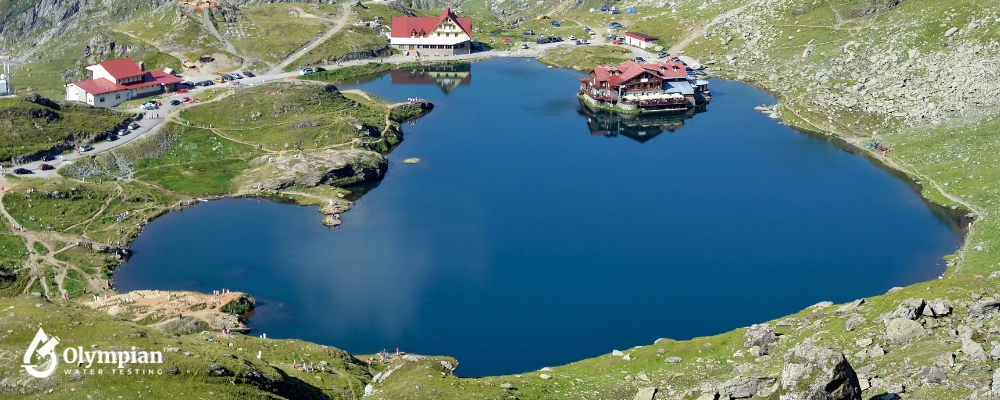
Water in the countryside can be difficult to deliver — such populations don’t have modern water treatment and distribution facilities. These challenges must be overcome for good health, life-span improvement and rural economic growth. Understanding the challenges and opportunities to provide clean, healthy water in rural areas is one way communities can begin building toward a future of clean and healthy water for all.
What is the Situation in Rural Areas?
It’s a problem of access to safe, clean drinking water that rural areas around the world do not always have. This causes water pollution and increased waterborne diseases which are terribly damaging to the public health. Furthermore, there is also the fact that, in many rural areas, there are no access to river, lake, or well water to supply adequate quantities for drinking, cooking, etc. These problems can make it hard for rural people to access clean water, and can adversely affect their quality of life.
Lack of infrastructure is one of the major barriers for rural people in accessing clean water. Most rural areas don’t have water systems that can deliver hygienic, safe drinking water, like water treatment facilities, pipes and so on. These communities have a hard time getting clean water and water quality suffers. Further, there is not a great deal of money, people and equipment available to sustain and upgrade water systems in rural areas. It can be difficult to make sure the water is sterile and human-safe, and it could lead to an increase in water-borne disease and other diseases.
The Importance of Overcoming the Challenges Faced by Rural Communities

If we are to ensure public health and the quality of life for rural communities, overcoming the obstacles to getting clean water will be vital. Clean and safe water is a basic human right, and making it possible for the rural people to have this life-giving element can minimise the threat of waterborne disease and other ills. Additionally, access to clean water could lead to improved lives in rural areas, by giving them access to water to drink, cook and so on.
The Role of Governments and Organizations in Overcoming the Challenges Faced by Rural Communities
It is governments and organisations that are responsible for solving the problems rural populations confront with accessing clean drinking water. These can be actions like:
Infrastructure: Governments and institutions can partner to supply the infrastructure needed to supply clean and safe drinking water — water treatment plants, pipelines, etc. It could ensure that rural areas get safe drinking water, and could reduce the possibility of water-borne diseases and other diseases.
Better access to water: Governments and institutions can cooperate to make access to water bodies like rivers, lakes, wells, and so on easier so that rural areas have access to sufficient water to drink, cook and for other purposes. This could improve the lives of these groups as a whole, by giving them the supplies they need to drink, cook and so on.
Money, people and equipment: Governments and agencies can supply the assets that water systems require to maintain and upgrade. This can be used to keep the water pure and safe for humans, and it can help avoid the spread of water-borne disease and other health hazards.
Promoting community-based programmes: Governments and agencies can support community-based programs for better access to clean drinking water in the rural communities. This might be in the form of technical support, grants and other assistance to help communities find sustainable solutions to drinking water that are sustainable. This can allow individuals to be in control of their own water and make sure it’s clean and safe for human use.
Awareness campaigns: Governments and agencies can coordinate on awareness campaigns about the difficulty faced by rural people in accessing safe drinking water, and the need to overcome it. It can mobilise support for water in rural communities, and also to urge individuals and institutions to act in favour of this.
Collaboration with International bodies: Governments and institutions can collaborate with international bodies, like the World Health Organization or the United Nations to find solutions for rural people’s problems in accessing clean drinking water. These organizations can help with technical knowledge, money and more to help make it easier to access clean water in rural areas.
The Economic Benefits of Providing Safe Drinking Water in Rural Areas
It could be very economically rewarding to provide clean drinking water in the countryside. A clean, safe water supply could also make rural people healthier and reduce water-borne diseases and other diseases. This, in turn, can increase the productivity of these communities, since they won’t have sick people going to work or school.
Moreover, a supply of clean drinking water can encourage investment and development in the rural regions because businesses and organisations would be more inclined to make investments in areas where there’s clean and accessible water. This can lead to the employment of new people and growth in economic activity for all the community. Moreover, by reducing waterborne diseases, the cost of healthcare can be reduced, leaving funds to spend on other parts of society.
The Environmental Benefits of Providing Safe Drinking Water in Rural Areas
Even drinking water in rural locations can be environmentally helpful. When water supplies don’t get taken care of well, they can be polluted and can harm the ecosystem. It can be the dumping of chemicals into rivers and lakes, which are harmful to animals and waterways.
But by drinking water that’s clean, even in the rural areas, we can minimize the potential for contamination and save the environment. Moreover, reducing the number of trips from cities to rural areas by delivering water will reduce the carbon footprint of delivery, thus offsets climate change. Further, if access to safe water is improved, people won’t have to fetch water from rivers and lakes, which could maintain the integrity of these ecosystems and preserve biodiversity.
The Social Benefits of Providing Safe Drinking Water in Rural Areas
Social rewards of safe drinking water in the countryside can be similarly great. The more water people can drink safely, the healthier they are likely to be and hence their life will be better. Moreover, safe drinking water could ease the pressure placed on women and children to fetch water in the countryside.
We can also reduce rural social inequality by making water more accessible. In most rural areas, safe water sources are in short supply, and there are people who need to use polluted water sources. We can provide better access to drinking water, so that everyone has access to this fundamental human right – no matter how social or economically backward they may be. That can lead to healthier and more stable communities, and social harmony and unity.
Share this on social media:
Facebook
Twitter
LinkedIn

Related Posts