Exploring Cadmium Filtration Solutions for Queens Residents
- Published:
- Updated: February 17, 2025
Listen to this article
Summary
Cadmium contamination in Queens’ drinking water raises health concerns. Key points:
- Cadmium, common in industrial processes, poses serious health risks like kidney damage and cancer.
- Queens’ proximity to industrial zones and aging infrastructure heightens contamination risks.
- Filtration methods like activated carbon and reverse osmosis offer solutions, with DIY options and community initiatives promoting accessibility and advocacy for cleaner water.

Water is the backbone of a healthy society, and for Queensites, the guarantee of clean water is everything. But in recent years, cadmium contamination of water supply has been increasing alarmingly. This heavy metal has health effects and is used everywhere in industry so it is public concern.
The Concern: Cadmium in Drinking Water
This soft, bluish-white metal is used in industries, including batteries and pigments. It’s a diverse application, so much so that it ends up in rubbish that, if left unattended, pollutes natural waterways. Decomposition of the kidneys, bone demineralisation and cancer risk are the health consequences of cadmium long-term exposure. The EPA has regulated the concentration of cadmium in drinking water so that it doesn’t fall below human-illness levels.
Unfortunately, though, these requirements don’t always apply, especially in places with heavy industrialisation. Water sources near factories, for example, can become polluted if safety rules aren’t strictly enforced. That made the issue of cadmium filtering all the more pressing, especially for vulnerable populations.
Why Queens is Talking About Cadmium

Queens hasn’t been immune to the environmental storms. History does show places where cadmium contamination was higher than allowed, in part due to the industrial zone. The geography of this borough – its complex water infrastructure, proximity to factories – adds to the danger.
What’s more, Queens’s old infrastructure, such as aging sewer and drainage lines, increases vulnerability to contamination. Every time there’s a leak or spill, contaminates such as cadmium infiltrate the water. There is a lot at stake and no wonder Queens residents are wary.
How Cadmium Enters Our Drinking Water
Various industrial activities, especially those involving metal processing, inadvertently introduce cadmium into the environment. Common sources include:
- Battery manufacturing
- Production of paints and pigments
- Metal soldering and welding
Natural processes, such as soil erosion, further contribute to cadmium’s presence in water. As rainwater runs off, it carries with it metals from the soil, including cadmium, eventually finding its way into larger water bodies. Further complicating matters is the aging infrastructure in many parts of Queens. Old pipes and sewage systems can corrode, releasing cadmium and other contaminants into the water.
Presenting the Dangers: Effects of Cadmium on Health
From acute exposure to high concentrations of cadmium, severe gastroenterological symptoms such as vomiting and diarrhoea are possible. But the long-term exposure is the worst. If a person consumes cadmium-contaminated water for long enough, it damages their kidneys and interferes with their natural cleansing process.
And children who consume cadmium will develop in different ways; and adults might have lowered bone density – leading to osteoporosis. The carcinogenicity of cadmium takes things even higher. In Japan, a country where cadmium was widely used, cadmium exposure was directly linked to lung and prostate cancer risk.
Technological Marvels: Modern Filtration Methods
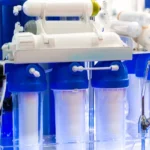
The best option for cadmium filtering is activated carbon filters. These filters, common in water filters in homes, utilise activated carbon’s natural adsorptive capacity to capture cadmium ions so that the water is safer to drink. They work and they’re not too expensive.
Then there’s reverse osmosis, a sanitisation process using a semi-permeable membrane to remove cadmium and other contaminants. A little more costly, but it provides very pure water. The other method, cation exchange, removes metal ions, in favour of non-matter — and leaves the water uncontaminated by cadmium.
Affordable Solutions for Queens Households
Technology has solutions to filtering, but they can’t be easily and affordably available to a regular Queens resident. Luckily, there are DIY cadmium filtration systems available, using stock parts. Even these DIY solutions aren’t as powerful as industrial grade ones, but they’ll significantly lessen cadmium content.
And small companies that see the problem as worth addressing have gotten involved. Some sell cheap Queens house filters. The price and the effectiveness of a solution is the one residents can find that is most effective for them, both in terms of safety and economics.
Community Initiatives: Joining Forces for Cleaner Water
Clean water is on the march in Queens, backed by local organisations. From setting up awareness drives to driving city policy, grassroot campaigns like "Clean Water for Queens" have come a long way. These types of campaigns demonstrate the potential for organising around environmental problems.
The city government too has noticed. It’s being rebuilt from the ground up with a heavy eye to water security. More draconian are regulations requiring industries to conduct water quality inspections on a regular basis. Locals can take part in these movements, or by bringing their voices to town halls.
Ensuring Long-Term Water Safety
There’s no ‘spot protection’ to drinking water – there’s no time for it. Tests on water supply, both municipal and residential, must be done regularly. It doesn’t only make sure that the water is not dangerous, but it also gives you a heads up on contamination, so you can intervene as soon as possible.
Knowing and making sense of water quality reports is the second step. These reports, which are sometimes posted on city websites, provide a complete picture of water quality. By learning about it, residents can make a plan if cadmium begins to rise. Plus there’s the constant advocacy. Activating the community to improve the regulations and infrastructure could also secure long-term water security.
Share this on social media:
Facebook
Twitter
LinkedIn
Next Article:

Related Posts