The Vital Role of Effective Water Treatment in Providing Safe Drinking Water
- Published:
- Updated: December 16, 2024
Listen to this article
Summary
Water treatment is indispensable for safe drinking water. Introduction text: It removes contaminants, ensuring public health and environmental protection.
- Treatment processes like coagulation, filtration, and disinfection remove contaminants.
- Common contaminants include bacteria, viruses, chemicals, and heavy metals.
- Effective water treatment reduces the risk of waterborne diseases and improves overall community well-being.

Water is a resource and safe drinking water is an adolescent’s right. It’s vital for human life and health but, although there has been a tremendous advancement in water treatment, there are still millions of communities worldwide that experience water-borne diseases, some leading to death. Water Treatment: Water treatment is a key part of maintaining safe drinking water.
What is Water Treatment?
Water treatment means treating water to remove contaminants and pollutants that could be harmful for human consumption. coagulation, flocculation, sedimentation, filtration and disinfection). This is the process that’s different based on the source of the water and the type of contaminants in it. Water treatment – Water is processed to make it safer and healthier for human consumption.
The Importance of Water Treatment
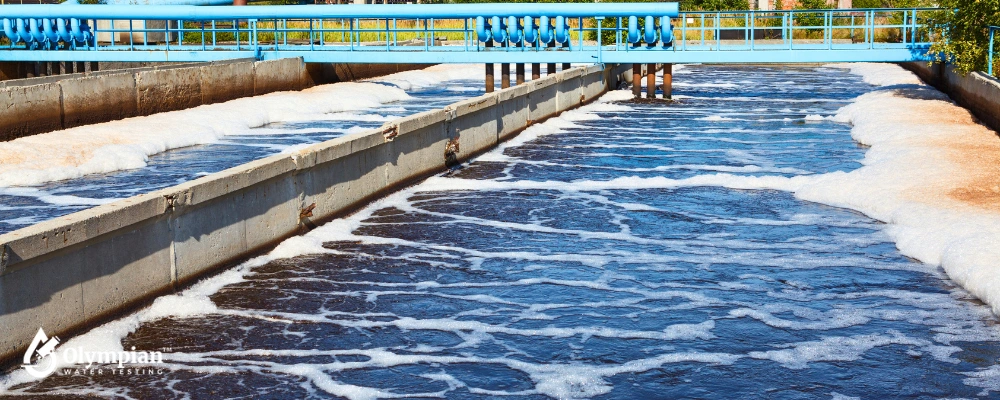
The people need access to safe drinking water and water treatment is one of the most important elements of keeping people hydrated. Waterborne disease, including cholera and typhoid fever, is still a problem for most people all over the world (and especially in the developing world). By purifying water, water treatment lowers the threat of waterborne disease and lets users have clean water to drink, cook, and wash with. Proper water treatment has the ability to bring more health and well-being to communities, and is one of the first things that should be done so that all residents have clean water.
What Contaminants are Present in Water?
The source of water pollution includes agricultural run-off, industrial effluent, sewage and natural sources such as minerals and sediments. Most of the water contaminants are bacteria, viruses, parasites, chemicals and heavy metals. These are highly pathogenic substances that must be removed from water so that the water can be utilised safely by humans.
How Does Water Treatment Work?
Water treatment removes contaminants from water through a series of steps. What process is employed depends on the type of contaminants in the water. Common water treatment processes are coagulation, flocculation, sedimentation, filtration and disinfection.
Coagulation
Coagulation uses chemicals in water to destabilise the particles so they can be easily washed out of the water. The chemicals glue together the particles, making them into bigger bits, which are easier to scoop out of the water. It agitates the water to extract impurities (dirt, sediment).
Flocculation
Flocculation combines water and chemicals into larger particles that are easier to pull out of the water. This removes particles that didn’t get cleared up in coagulation. The water is added to chemicals, which makes the particles cling and accumulate into larger, more retrievable particles.
Sedimentation
This process is sedimentation: the coagulated, flocculated bigger particles get deposited to the bottom of a sedimentation tank. Then the sediment is extracted from the water and it returns clear water. It purifies the water by getting rid of dirt and contaminants so that it’s safe and fit for human consumption.
Filtration
Filtration: water is filtered to get rid of dust and contaminants. It can be achieved with a number of different filtration techniques like sand filtration, activated carbon filter, reverse osmosis. The filtration process removes smaller particles and impurities that weren’t removed from the water treatment processes earlier. This makes the water better in general and safer for humans to drink.
Disinfection
The chemical or UV-light kills the bacteria and viruses in water during disinfection. This is an important process of water treatment that makes water suitable for use by humans. Desinfection – Detoxifies water, thus preventing waterborne illness.
Who is Responsible for Water Treatment?
School water testing services are essential to making sure water treatment is up to the mark and that local residents have access to safe, clean water. Although water treatment typically falls to the local government or water utilities, sometimes it’s up to individual citizens to do the legwork. For example, localities could use things such as lead or copper testing of school water, or even filtering their own water with water filters. The responsible party can only get it so far and the communities need to access effective water treatment to ensure that everyone is provided with safe and clean water.
What are the Benefits of Effective Water Treatment?
Effective water treatment has a number of benefits, including:
- Reducing the risk of water-borne diseases
- Improving the taste, odor, and appearance of water
- Protecting aquatic life and the environment
- Supporting economic development and improving quality of life
Challenges in Providing Effective Water Treatment
Despite all these advantages, there are still a few hurdles to delivering water treatment to populations in the world. Lack of funding for water treatment systems and programmes is one of the main issues, especially in the developing world. It is difficult to put the money into the technology and people to treat the water effectively. Another problem is the lack of technology because outdated or inadequate water treatment system can result in water quality problems.
Lack of qualified water treatment staff is another challenge, since water treatment needs trained people to do the job. The last is maintenance: Water treatment systems are not easy, since they need to be regularly serviced and checked. Communities, governments and water utilities must cooperate in order to meet these obstacles and make sure that people can have clean, safe water.
Share this on social media:
Facebook
Twitter
LinkedIn

Related Posts