The Science Behind Water Disinfection
- Published:
- Updated: November 25, 2024
Listen to this article
Summary
Water disinfection is crucial for safe drinking water, achieved through various methods like chlorination and UV radiation. Effective disinfection prevents waterborne illnesses and ensures public health.
- Water disinfection removes harmful pathogens, safeguarding against digestive issues and serious diseases.
- Methods include chlorination, UV light, ozone, and reverse osmosis, each with advantages and disadvantages.
- Regular testing and consumer use of home water treatment systems further ensure water safety, while future advancements focus on improving efficiency and effectiveness.

Water disinfection is a process we need to keep our water safe. The water disinfection science is the study of how many ways we can clean noxious pathogens and pollutants from water. The demand for hygienic and safe water is only growing and, more than ever, the necessity of proper disinfection methods is essential. It’s only with the use of new technologies and techniques that scientists have been able to produce very effective disinfection processes capable of bringing clean drinking water to the masses. Clone disinfection, ultraviolet ray disinfection – there are many disinfecting agents that are in the market to stop waterborne disease and infection.
What is Water Disinfection?
Disinfection of water – Water disinfection is the process of decontaminating water so that it can be used. This is required in order to keep water from the toxins of bacteria, viruses, and other diseases-causing organisms. Decontamination of water is generally done at water treatment plants before it gets into homes and businesses.
Importance of Water Disinfection

Water disinfection is a crucial process to keep water safe to drink. Debris-filled water is the source of many health ills such as intestinal discomfort, rash and deadly disease like cholera and typhoid. Disinfecting water is one of the ways to maintain public health, and to keep waterborne illness from occurring.
Methods of Water Disinfection
There are several methods of water disinfection, each with its own advantages and disadvantages. Some of the most common methods of water disinfection include:
- Chlorination: Chlorination is one of the most common methods of water disinfection. It involves adding chlorine to water to kill harmful bacteria and other pathogens. Chlorine is a highly effective disinfectant and is commonly used in water treatment plants to disinfect water. However, it can also give water a strong, unpleasant taste and odor.
- Ultraviolet (UV) Light: Ultraviolet (UV) light is another method of water disinfection. It works by exposing water to UV light, which kills harmful bacteria and other pathogens. UV light is a highly effective disinfectant and is commonly used in water treatment plants to disinfect water. However, it is not as effective at removing contaminants such as chemicals and heavy metals.
- Ozone: Ozone is a highly effective method of water disinfection. It works by adding ozone to water, which kills harmful bacteria and other pathogens. Ozone is a highly reactive molecule that is highly effective at killing pathogens. However, it is not as commonly used as chlorination or UV light and can be more expensive.
- Reverse Osmosis: Reverse osmosis is a method of water disinfection that works by removing contaminants from water. It involves passing water through a semi-permeable membrane, which removes contaminants such as bacteria, viruses, and chemicals. Reverse osmosis is a highly effective method of water disinfection, but it can be expensive and requires regular maintenance.
What is the Role of Water Treatment Plants?
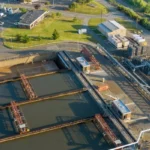
Water Treatment Plants are the central aspect in water disinfection. They are the ones cleaning the water of pollutants before they flow into homes and businesses. Chlorination, UV radiation, ozone and reverse osmosis all work together at water treatment plants to disinfect water for consumption. Which procedures to apply will be based on the pollutants in the water supply and the purpose of the entire treatment plant.
Importance of Regular Testing
We should test water supplies on a regular basis to check for any potentially toxic chemicals. Diagnosing contaminants such as bacteria and viruses and testing will determine whether water disinfection techniques have worked. Debian regular tests as well to check that water treatment plants are reaching targets and the water is suitable for drinking.
What is the Role of Consumers in Water Disinfection?
Consumers are involved in water disinfection, as well with household water treatment including whole house water filters and point-of-use filters. These systems can be used to clean water and keep it fresh. Consumers can use home water treatment to make sure that the water they drink, cook with, and bathe in is safe and clean.
The Future of Water Disinfection
The water disinfection of the future lies in a revolution in the performance of water treatment. That may include new disinfection technologies (newer UV-lamps, for example) and other disinfectants (hydrogen peroxide, for example). Water disinfection of the future also involves boosting the efficiency of water treatment plants so they can handle the increased demand for safe, clean water.
The process of water disinfection is one step that is vital to the sanitization of the water. Water disinfection science consists of the processes of chlorination, UV, ozone and reverse osmosis that flush harmful contaminants from water. It is also possible to have safe water by testing water frequently and installing home water filters. Water disinfection’s future consists in optimizing water treatment processes so as to better serve growing demands for safe and clean water.
Share this on social media:
Facebook
Twitter
LinkedIn

Related Posts