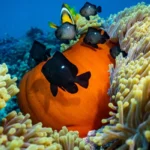
The Importance of Water Quality in Fish and Wildlife Habitats
- Published:
- Updated: December 16, 2024
Listen to this article
Summary
Water quality is vital for fish and wildlife habitats:
- It ensures their survival, reproduction, and biodiversity.
- Pollution, habitat changes, and climate impact water quality.
- Conservation efforts, regulations, and public awareness are crucial for protection.

Most essential to all organisms on Earth – fish and animals – is water. They need it for their territory and they need it to have what they need to survive and reproduce. It is the water in fish and wildlife enclosures that determines whether or not they will survive and thrive.
What is water quality and why is it important for fish and wildlife habitats?
Water quality is defined as the physical, chemical and biological properties of water that can have a determinant impact on the life and health of aquatic life. Keeping water quality of fish and wildlife habitat in check, so that the ecosystem will be healthy and viable, is important.
How does water quality impact fish and wildlife populations?

Keeping fish and wildlife populations healthy and viable is dependent on the quality of our water. In water quality issues, populations can disappear, species become extinct, and biodiversity erodes. Otherwise, good water can be conducive to healthy people and biodiversity.
Main factors affecting water quality in fish and wildlife habitats
The water quality in fish and wildlife habitats is affected by various factors, including:
- Pollution from industrial and agricultural activities
- Runoff from urban areas
- Changes in water flow and temperature
- Introduction of non-native species
- Overfishing and hunting
The role of conservation organizations in protecting water quality in fish and wildlife habitats
It is conservation groups that protect and maintain the quality of water in fish and wildlife habitat. They work to educate people about the value of these ecosystems, conduct research to understand how they operate, and push for laws and regulations that keep them safe. They work with locals, governments and others as well to conduct conservation and restoration programmes.
The economic benefits of protecting water quality in fish and wildlife habitats
Defending and maintaining the quality of water in fish and wildlife areas can have a huge economic impact on societies. For instance, clean fish and wildlife habitats could support commercial and recreational fishing, hunting and tourism. These things can also provide employment and income for communities and the economy.
The importance of public education and awareness about water quality in fish and wildlife habitats
Public education and outreach is essential to protecting and maintaining water quality in fish and wildlife areas. If people know about these ecosystems and how important they are to healthy fish and wildlife, then they will be willing to protect them. This might mean volunteering in conservation and restoration projects, lobbying for policies and regulations that preserve these habitats, and donating to groups that strive to save them.
The impact of climate change on water quality in fish and wildlife habitats
The water quality of habitats for fish and wildlife is being impacted by climate change. Temperature, precipitation and water flow can all change these ecosystems’ chemical and biological composition, decreasing fish and wildlife numbers. We should become aware of how climate change impacts these habitats and how to reduce its impact (through lowering emissions and adapting).
How can we protect and maintain the water quality in fish and wildlife habitats?
There are several ways to protect and maintain the water quality in fish and wildlife habitats, including:
- Implementing regulations and laws to reduce pollution
- Monitoring water quality regularly and taking corrective measures when necessary
- Protecting and restoring wetlands and other habitats
- Controlling the introduction of non-native species
- Promoting sustainable fishing and hunting practices
The role of citizen science in monitoring water quality in fish and wildlife habitats
Citizen science can be used to monitor and secure fish and wildlife water quality. If we get more people to share data and track these ecosystems, we’ll know more about how these habitats are doing and what conditions they are in. Such data can be used to guide conservation and restoration projects, and to lobby for laws to preserve these habitats.
The importance of inter-agency cooperation in protecting water quality in fish and wildlife habitats
Water quality in fish and wildlife habitats is managed through coordination and cooperation between government departments, conservation agencies, and residents. By collaborating, such groups can pool resources and know-how to pursue efficient conservation and restoration activities, monitor water quality, and lobby for policies to save these habitats.
The future of water quality in fish and wildlife habitats
Whether the water of fish and wildlife habitats will continue to be in great shape will be contingent on whether we can maintain those habitats. This means ongoing clean-up, habitat protection and restoration, and sustainable activities. And it needs ongoing research and monitoring to make sense of what humans and climate change have caused these habitats to do, and to devise effective conservation and restoration measures.
The global significance of water quality in fish and wildlife habitats
The quality of water for fish and wildlife isn’t just a local issue; it’s a global one. They host all kinds of species and help keep the planet’s ecosystems healthy. These habitats must be maintained by us, and not just for the fish and animals who live there, but for the wellbeing of the planet.
Share this on social media:
Facebook
Twitter
LinkedIn

Related Posts