Proper Storage and Handling of High pH Water
- Published:
- Updated: December 16, 2024
Listen to this article
Summary
Proper storage and handling of high pH water are essential to maintain its alkaline properties and potential health benefits. Here are some guidelines:
Choose the Right Container: Opt for glass containers as they are inert and won’t react with the water. If using plastic, ensure it’s BPA-free to prevent chemical leaching.
Store in a Cool, Dark Place: Keep high pH water away from direct sunlight and heat, which can alter its pH level.
Seal the Container: Always keep the container tightly sealed to prevent exposure to air, which can affect the pH level.

1156/2500 Words
Water with high pH or alkaline water, a pH above 7. This is that it’s both softer and alkaline than tap water. The pH scale (0-4) is the degree to which something is acidic or alkaline. Water that has a pH of 7 is neutral. High-PH water has been popular for the supposedly beneficial effects of neutralising acid in the blood, improving metabolism and absorption of nutrients.
But alkaline water doesn’t stop there, and you need to store and process it so that it does not deplete in pH. It’s more alkaline, so it needs different attention than your regular tap water. But without proper storage and handling, the alkaline nature will lose its benefit over time.
But alkaline water doesn’t stop there, and you need to store and process it so that it does not deplete in pH. It’s more alkaline, so it needs different attention than your regular tap water. But without proper storage and handling, the alkaline nature will lose its benefit over time.
What are the health implications of high pH water?
High pH water is also said to be good for a number of reasons. They say it neutralises acid in the blood to create more oxygen, more energy and more metabolism. Some think it even has the potential to ward off more serious diseases caused by high body acidity like cancer and heart disease. However, the truth of the matter is that these are claims awaiting much more scientific data.
Conversely, drinking water that is high in pH is usually safe. But too much of it could lead to alkalosis, which is a disease that causes excess alkalinity in the body. Nausea, vomiting, tremors in the hands, and delusions are symptoms. Hence, as with everything, take high pH water on an equal basis.
Proper Storage Techniques for High pH Water
When it comes to storing high pH water, the material of the container is important. Glass is the best option as it’s the most inert material. This means it won’t react with the water and change its pH level. If you’re using plastic containers, ensure they’re BPA-free to prevent chemical leaching into the water.
- Store high pH water in a cool, dark place, away from direct sunlight. Heat and light can alter the pH level of the water.
- Always keep the container sealed. Exposure to air can also affect the pH level of the water.
- Avoid storing high pH water near chemicals or strong-smelling foods as it can absorb odors, which can impact its taste and quality.
How Long Can You Store High pH Water
The shelf life of high pH water depends on how it’s stored. When properly sealed and stored in a cool, dark place, it can last for up to two weeks without significant changes in its pH level. However, once opened, it’s best to consume within a few days. After this point, the pH level may begin to drop towards neutral as the water interacts with the air.
It’s important to note that homemade high pH water tends to have a shorter shelf life than commercially bottled alkaline water. This is because commercial processes often include the addition of minerals that stabilize the pH level for longer.
Potential Contamination Risks and Prevention
High pH water can be contaminated as with any other water if it is not used in a safe way. Be sure to keep the containers in which the storage will be taking place clean and not polluted. Here are some tips:
Wash your hands after putting high pH water.
Clean containers well before use and be sure to make them dry before filling.
Do not get your hands or anything else in the container or the water.
When not in use, seal the bottle.
Transporting High pH Water
Using high pH water to transport it is not an easy process because you have to keep certain things going in order to maintain the pH level. Tips on how to travel safely:
Use a well-sealed, sturdy container. The ideal is glass but, if you can’t do that, get some good quality, non-BPA plastic.
Discard the water when transporting away from heat and sunlight. The coolest, darkest place is the ideal one.
Avoid taking the water for longer than is necessary. The less transport time, the less possibility that pH will shift.
Bottled High pH Water vs. Homemade
You have two choices in how you can get high pH water – either by getting it bottled from a reputable vendor or making it yourself with a water ioniser. All approaches are bad and good. High-pH water sold in bottles, for example, gets intensely filtered, and some brands add minerals to hold the pH in check. It’s convenient and lasts longer, but also more costly.
Conversely, if you make your own high pH water using an ionizer then you have more control over the pH level. But alkaline water made at home is often short-lived and must be stored and handled properly to keep it at a healthy pH. Whatever method you choose, you must store it safely so that the water’s acidity will not deplete.
How to Test the pH of Your Water at Home
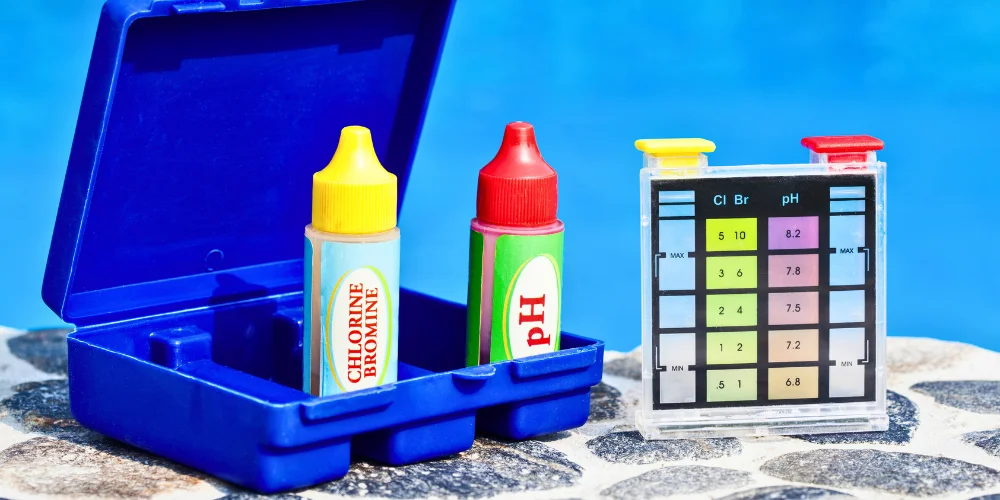
You can test your water pH for this at home if you are interested. pH test strips or digital pH tester can be used. You can get them both online or at home improvement centers. You just put a pH test strip in the water, wait for it to turn color, and compare that color to the chart attached to the test strips.
The digital pH meter, on the other hand, gives you a better read. You’ll usually calibrate it using a buffer solution and drop the probe into the water. Your digital screen will display the water’s pH.
But keep in mind, whether you’re drinking high pH water for health or for taste, you’ll learn more about how to handle, store, and describe it to make the most of it. These are tips that will keep your high pH water fresh and alkalin for as long as possible.
Environmental Impact of High pH Water Bottling
There are environmental costs to bottling high pH water, especially in plastic bottles. The plastic bottle is pollution and waste. You can also choose to buy glass containers that are reusable and recyclable which will help to reduce these effects. In addition, customers should think about their overall water usage and environmental impact of their buying decision.
Conclusion: Proper Storage and Handling of High pH Water
How we store and treat high pH water is very important for keeping it alkaline and beneficial for health. Keeping the container sealed, storing it in the right containers, keeping them in a cool dark place, and so on are key tips. If you use these tips, you’ll be sure that your high pH water is as good as it gets.
Share this on social media:
Facebook
Twitter
LinkedIn

Related Posts