
Understanding Water Hardness
Water hardness is key in keeping your home running smoothly. It affects how well your appliances work and how long they last. Knowing why water is hard, how to measure it, and its types is vital for homeowners to manage its effects well.
Defining Hard Water and Its Causes
The water hardness definition is about the minerals in water, like calcium and magnesium. These come from limestone, chalk, and gypsum dissolving in the ground. Places like the Midwest, Southwest, and parts of the Northeast in the U.S. often have hard water because of these formations.
Measuring Water Hardness: Units and Classifications
Water hardness is measured in grains per gallon (GPG) or parts per million (PPM). Here’s how water is classified by its hardness:
- Soft water: 1-3.5 GPG
- Moderately hard water: 3.5-7 GPG
- Hard water: 7-10.5 GPG
- Very hard water: above 10.5 GPG
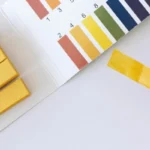
You can test water hardness with simple test strips or kits. Or, you can get a detailed analysis from a professional service for $50 to $150.
| Hardness Level (GPG) | Classification | Potential Effects |
|---|---|---|
| 1-3.5 | Soft | Minimal impact on appliances |
| 3.5-7 | Moderately Hard | Some mineral buildup, reduced efficiency |
| 7-10.5 | Hard | Significant mineral buildup, decreased performance |
| Above 10.5 | Very Hard | Severe mineral buildup, frequent maintenance required |
By understanding hard water, its causes, and how to measure and classify it, homeowners can protect their appliances and plumbing systems.
New York City’s Water Sources and Quality
New York City is famous for its clean drinking water. It comes from three main areas: the Catskill, Delaware, and Croton watersheds. These places have little limestone, making the water soft for city folks. The Catskill and Delaware watersheds give about 90% of the water, and the Croton watershed adds 10%.
The city watches its water quality very closely. The New York City Department of Environmental Protection (DEP) tests the water often. This work keeps the water safe and clean, making NYC’s tap water some of the best in the country.
Factors Influencing Water Hardness in NYC
Even though NYC’s water is soft, other parts of New York State might have harder water. This is because of rocks with lots of calcium and magnesium. These minerals make water hard, which can affect home appliances and pipes. Additionally, hard water can lead to the buildup of scale in plumbing and reduce the efficiency of water heaters. Homeowners in areas with hard water might find themselves needing to invest in water softening systems to mitigate these issues. For those interested in learning more, there are several resources available that detail New York hard water facts and how to address the challenges it presents.
Things that affect water hardness in NYC and nearby include:
- Geological makeup of the watersheds
- Presence of limestone, dolomite, and other mineral-rich rocks
- Seasonal changes in water flow and rain
- Human activities, like mining and farming, that can add minerals to the water
Despite these factors, NYC’s water is softer than many places. This is thanks to the careful care of its watersheds. Soft water is good for people’s health and helps appliances and pipes last longer.
Effects of Hard Water on Plumbing Systems
Hard water, with high calcium and magnesium levels, harms plumbing in New York City homes. These minerals build up as water flows, creating scale buildup. This buildup blocks water flow and lowers plumbing system efficiency.
Scale buildup narrows pipes over time, causing reduced water flow and higher water pressure. This extra pressure can lead to leaks or burst pipes. Hard water also causes pipe corrosion, leading to hidden leaks in copper, PVC, or steel pipes.
| Water Hardness Level | Parts per Million (ppm) | Grains per Gallon (gpg) |
|---|---|---|
| Soft water | 0-60 | 0-3.5 |
| Moderately hard water | 61-120 | 3.6-7.0 |
| Hard water | 121-180 | 7.1-10.5 |
| Very hard water | Over 180 | 10.6 and above |
To fight hard water’s effects, regular plumbing maintenance is key. Get annual checks from pros to spot scale buildup and corrosion early. Also, consider a water softening system to lower water hardness and protect pipes and appliances.
Annual plumbing system inspections are recommended to catch early signs of hard water damage and maintain system efficiency.
Knowing hard water’s impact and acting early can help New York City residents. It can extend pipe life and keep water systems running well.
Impact on Water Heaters
Water heaters in New York City are hit hard by hard water. The minerals like calcium and magnesium cause scale buildup. This buildup makes water heaters less efficient and forces them to work harder.
Reduced Efficiency and Increased Energy Consumption
Limescale inside water heaters and pipes acts as an insulator. It absorbs heat, making it harder for the water to get hot. This means water heaters use more energy, leading to higher bills.
Households with hard water might see their energy bills go up by 25-30%. This is because their water heaters aren’t working as well.
The effects of hard water on water heaters are clear:
- Sediment buildup in tank water heaters makes them less effective and uses more energy.
- Limescale in tankless water heater pipes also lowers heating efficiency.
- High mineral levels in hard water, like calcium and magnesium, harm household appliances.
Shorter Lifespan and Higher Maintenance Costs
Hard water also shortens the life of water heaters. Minerals inside the tank and on heating elements cause corrosion and wear. This means homeowners need to replace their water heaters more often, leading to higher costs.
Most water heaters should be flushed at least once a year; twice a year is recommended for hard water conditions.
Regular maintenance, like flushing the tank, is key in areas with hard water. But, even with good care, water heaters in New York City may not last as long due to mineral buildup.
| Water Hardness Category | Calcium Carbonate Concentration (mg/L) |
|---|---|
| Soft | |
| Moderately hard | 61-120 |
| Hard | 121-180 |
| Very hard | > 180 |
Dishwashers and Hard Water
Hard water has a lot of minerals like calcium and magnesium. These can build up in dishwashers over time. This buildup can make the dishwasher less efficient and even break it down faster.
Hard water also means you need more detergent to clean dishes well. The minerals in hard water make it hard for detergent to create foam.
Hard water affects dishwashers in many ways. It can clog spray arms and nozzles, making dishes not clean well. It can also make the dishwasher noisy and affect how hot water is distributed.
Mitigating the Impact of Hard Water
To fight hard water’s effects on dishwashers, there are a few things you can do:
- Install a water softener to make the water softer, helping appliances work better
- Use special detergents for hard water, which have more ingredients to fight minerals
- Put white vinegar or citric acid in the dishwasher once a month to remove mineral deposits
- Use a rinse aid in every cycle to stop dishes from getting a film
- Adjust how much detergent you use based on the water type. More is needed in hard water areas.
Regular Maintenance for Optimal Performance
Regular care is also key for dishwashers in hard water areas. This includes:
- Running a monthly maintenance wash with a dishwasher cleaner to keep it running smoothly
- Cleaning dishwasher filters and spray arms every month to stop mineral buildup
- Using special hard water settings on modern dishwashers to fight mineral buildup
By knowing how hard water affects dishwashers and taking steps to prevent it, you can keep your dishwasher working well. This means better cleaning, longer appliance life, and less energy use. Soft water, with fewer minerals, leads to cleaner dishes and less spotting.
Effects of Water Hardness on Washing Machines
Hard water has a big impact on washing machines. It has lots of calcium and magnesium ions. These minerals build up in the pipes and parts of the machine, reducing water flow and efficiency.
This buildup, or limescale, hurts the machine’s performance. It also makes clothes wear out faster. Clothes become rough, stiff, and less durable, needing to be replaced sooner.
Hard water in washing machines can also raise your utility bills. The machine works harder to clean clothes because of mineral buildup. This makes it less efficient.
Mineral Buildup in Pipes and Reduced Water Flow
Mineral deposits in pipes and tubes are a big problem with hard water. They block water flow and pressure. This makes the machine wash clothes less well.
It can cause longer wash cycles and incomplete rinses. It might even damage the machine’s parts.
Wear and Tear on Clothing Fabrics
Hard water also harms the clothes you wash. It leaves mineral deposits that make fabrics rough and stiff. This makes clothes uncomfortable to wear.
Over time, this roughness wears down the fibers. Clothes last shorter lives because of it.
To fight these problems, consider these solutions:
- Install a water softener to lower mineral levels in water
- Use special detergents for hard water
- Adjust laundry settings to reduce mineral effects
- Regularly clean and descale the washing machine
By tackling hard water and using these tips, you can make your washing machine last longer. Your clothes will also stay in better condition for longer.
Coffee Makers and Hard Water Issues
Coffee makers are key in many homes, but hard water can hurt their performance. Hard water has lots of minerals like calcium and magnesium. These minerals can make limescale in coffee makers, changing the taste and quality of coffee.
As time goes on, limescale can block coffee makers’ parts. This makes them work too hard. It also makes them less efficient and shorter-lived. Hard water can even clog coffee makers after just 1.6 years, leading to expensive fixes or new purchases.
To fight hard water’s effects, regular descaling and upkeep are key. Descaling uses a special cleaner or vinegar and water mix to clear out minerals. This keeps coffee makers working well and brewing great coffee.
| Hardness Level (GPG) | Hardness Level (PPM) | Impact on Coffee Makers |
|---|---|---|
| 1-3.5 | 17.1-60 | Slight mineral buildup, descaling required every 3-6 months |
| 3.5-7 | 60-120 | Moderate mineral buildup, descaling required every 2-3 months |
| 7-10.5 | 120-180 | Significant mineral buildup, descaling required monthly |
| 10.5+ | 180+ | Severe mineral buildup, descaling required bi-weekly or more frequently |
Using filtered water or a water softener can also help. Soft water has fewer minerals, leading to less limescale. This improves coffee taste and extends coffee maker life, saving money on repairs and replacements.
Impacts on Shower Heads and Bathroom Fixtures
Hard water in New York City homes can harm shower heads and bathroom fixtures. It causes clogged nozzles, lowers water pressure, and leaves hard-to-remove stains.
The Water Quality Association says water is hard if it has more than 7 grains per gallon of minerals. Over time, these minerals build up, making shower heads and fixtures less effective and less pretty.
Clogged Nozzles and Reduced Water Pressure
Shower heads and hard water often lead to clogged nozzles. This blocks water flow, making it harder to rinse off soap and shampoo. It also makes showering less fun.
To fix this, clean your shower head often. Soak it in vinegar and water to remove limescale. Using a shower water softener can also help keep water flowing well.
Unsightly Mineral Stains and Difficult Cleaning
Bathroom fixtures like faucets and sinks also suffer from hard water. Mineral stains make them look bad and feel rough. Cleaning them regularly can help, but stopping mineral buildup is better for their look and life.
| Problem | Cause | Solution |
|---|---|---|
| Clogged nozzles | Mineral buildup in shower head openings | Regular cleaning with vinegar solution |
| Reduced water pressure | Restricted water flow due to mineral deposits | Use of shower water softener |
| Mineral stains on fixtures | Hard water deposits on surfaces | Regular cleaning with appropriate products |
Fixing hard water problems in shower heads and fixtures can make them work better and look nicer. It also makes them easier to take care of in New York City homes.

Effects of Hard Water on Appliances
Hard water, with high calcium and magnesium levels, harms many household appliances. It reduces their efficiency, increases energy use, and shortens their lifespan. In New York City, knowing how hard water affects appliances is key for homeowners and businesses.
Hard water makes appliances less efficient. Mineral buildup in pipes and parts forces them to work harder. This can make them use up to 30% more energy. Over time, this means higher bills and more maintenance costs.
Hard water also shortens appliance life. Appliances in hard water areas may last 20-30% less than those in soft water areas. The buildup causes wear and tear, leading to more repairs and replacements. Replacing big appliances can cost a lot, adding to the financial burden.
| Appliance | Effects of Hard Water | Potential Solutions |
|---|---|---|
| Water Heaters | Reduced efficiency, increased energy consumption, shorter lifespan | Regular maintenance, descaling, water softeners |
| Dishwashers | Spotting and filming on dishes, decreased cleaning performance | Use of rinse aids, regular cleaning, water softeners |
| Washing Machines | Mineral buildup in pipes, reduced water flow, wear and tear on fabrics | Use of soft water detergents, regular cleaning, water softeners |
| Coffee Makers | Clogged pipes, reduced flavor, shorter lifespan | Regular descaling, use of filtered water, water softeners |
To fight hard water’s effects, regular maintenance and descaling are key. Homeowners can also use water softeners to remove minerals. While these systems cost upfront, they save money on repairs and energy bills in the long run. By tackling hard water, New York City residents can keep their appliances running better, longer, and save money.
Water Softening Solutions for NYC Residents
New York City residents face hard water challenges, with water hardness at about 7 grains per gallon. This can shorten appliance lifespans by up to 30% and increase repair costs. Luckily, water softening solutions can help reduce these issues.
Ion exchange water softeners are a top choice. They remove calcium and magnesium ions, lowering water hardness to under 1 grain per gallon. This can save up to 50% on energy bills. Yet, these systems need regular upkeep and may add sodium to the water.
Alternative Methods for Mitigating Hard Water Effects
Looking for alternative methods for hard water mitigation? Options like magnetic water treatment and template-assisted crystallization are gaining popularity. They aim to change mineral ion behavior without chemicals, appealing to those who care about the environment. Though their effectiveness may differ, they can help lessen hard water’s impact on appliances and plumbing.
| Water Softening Method | Advantages | Considerations |
|---|---|---|
| Ion Exchange Water Softeners | Highly effective in removing hardness minerals; Improves appliance efficiency; Possible energy savings | Needs regular upkeep; May up sodium in water |
| Magnetic Water Treatment | Chemical-free; Simple to install; Low upkeep | Effectiveness varies; Limited scientific backing |
| Template-Assisted Crystallization | Chemical-free; Reduces scale buildup; Keeps beneficial minerals | More expensive upfront; Effectiveness depends on water type |
As more people learn about water quality, the demand for water softening systems in NYC is growing at 5% a year. By choosing these solutions, NYC residents can make their appliances last longer and enjoy cleaner, more efficient water for everyday use.
Regular Maintenance and Descaling Procedures
To keep household appliances working well, regular maintenance and descaling procedures are key. Hard water, full of minerals like calcium and magnesium, can clog up appliances. This buildup makes them work harder, uses more energy, and shortens their life.
Good appliance care means sticking to a maintenance plan. Here are some important steps:
- Regularly clean shower heads, faucets, and appliance parts to remove mineral deposits
- Use descaling solutions or vinegar to dissolve scale buildup
- Follow the manufacturer’s cleaning tips and maintenance schedule
- Regularly add salt or potassium pellets to water softeners for best performance
Spending time on mineral buildup prevention saves money and effort in the long run. It keeps appliances running longer and avoids expensive repairs. It also makes dishes, glassware, and clothes look better and stay cleaner.
Here’s a table showing water hardness levels and how they affect appliances:
| Water Hardness Category | Grains Per Gallon (GPG) | Parts Per Million (PPM) | Potential Appliance Impact |
|---|---|---|---|
| Soft water | 0-1 | 0-25 | Minimal to no limescale buildup |
| Hard water | 2-7 | 26-100 | Moderate limescale accumulation |
| Moderately hard water | 7-10 | 101-180 | Significant limescale buildup |
| Very hard water | 10-14 | 181-250 | Severe limescale accumulation |
| Extremely hard water | 14+ | 251+ | Extreme limescale buildup |
Knowing your water’s hardness and taking the right steps can protect your appliances. Regular care keeps them working well and saves you money. It makes your home more comfortable and cost-effective.
Energy Efficiency and Cost Savings with Soft Water
Using soft water can make a big difference in energy use and saving money in New York City. It keeps plumbing and appliances running smoothly, using less energy. This means lower bills and longer life for appliances, saving money over time.
Hard water hurts appliance efficiency a lot. It can make water heaters 24% less efficient over time because of scale buildup. Tankless water heaters can clog in just 1.6 years, costing a lot in energy and repairs.
Reduced Utility Bills and Appliance Operating Costs
Soft water makes appliances work better, cutting down on utility bills. It can save up to 50% on laundry detergent and 70% on dishwashing. Doing laundry in cold water can save energy too.
Water softeners stop scale buildup, so appliances use less power. This leads to lower energy costs for homeowners.
Extended Lifespan of Household Appliances
Soft water makes appliances last longer. It reduces wear and tear from hard water, cutting down on repairs and replacements. A water softener can add years to appliance life, saving a lot of money.
It also prevents clogs and corrosion, reducing service calls and repairs. This saves money in the long run.
| Appliance | Hard Water Impact | Soft Water Benefits |
|---|---|---|
| Water Heater | 24% efficiency drop due to scale buildup | Increased efficiency and extended lifespan |
| Washing Machine | Restricted water flow and increased strain on parts | Up to 50% less detergent use and energy savings |
| Dishwasher | Clogged lines and corroded parts | Up to 70% less detergent use and enhanced cleaning |
Getting a good water softening system, like Jason’s Water Systems’, can improve flow rates and water quality. It ensures appliances work well. Professional setup and care are key for the best results, saving energy and money in NYC homes.

Environmental Impact of Water Softening
Water softening has many benefits for homes and appliances. But, we must think about its environmental impact. Traditional salt-based water softening methods release brine solution into wastewater. This can increase salt discharge and harm waterways.
Many marine animals are at risk because sewage systems can’t filter out chloride well. To lessen this harm, eco-friendly alternatives have been created. These include template-assisted crystallization and potassium chloride softeners.
Also, teaching people about water conservation and using softeners wisely can help. This way, we can make water softening less harmful to our planet.
| Water Softening Method | Environmental Impact | Eco-Friendly Alternative |
|---|---|---|
| Salt-based ion exchange | Increased salt discharge and salinity levels in waterways | Template-assisted crystallization |
| Traditional regeneration methods | Inefficient salt and water usage | Counter-current regeneration technology |
| Sodium-based softeners | Elevated sodium levels in wastewater | Potassium chloride softeners |
Homeowners can lessen hard water’s environmental impact. Using low-flow fixtures and energy-efficient appliances helps. Regular maintenance of water softeners and appliances can also make them last longer.
By choosing eco-friendly options, we can enjoy softened water. At the same time, we can reduce our environmental footprint.
Balancing Water Hardness and Health Considerations
Hard water can damage household appliances and plumbing. But, it also has health benefits. Calcium and magnesium, found in hard water, are good for our bones, muscles, and heart. The World Health Organization says drinking water can help meet our daily mineral needs.
Finding the right water hardness is key. The United States Geological Survey (USGS) has four categories: soft, moderately hard, hard, and very hard. A good balance is to keep water hardness in the moderately hard range.
Potential Benefits of Minerals in Drinking Water
Drinking water with some calcium and magnesium is good for us. It helps our bones and teeth, keeps blood pressure in check, and supports muscles and nerves. Some research shows it might lower heart disease risk. But, remember, a balanced diet is the best way to get these minerals.
Optimal Range for Water Hardness in Households
To enjoy health benefits without harming appliances, aim for moderately hard water (61-120 mg/L). This level keeps minerals in without causing too much scale or appliance wear. If your water is too hard, consider a water softener. Regularly cleaning and descaling appliances also helps them last longer and work better.
FAQ
What is water hardness, and what causes it?
Water hardness is the amount of dissolved minerals like calcium and magnesium in it. These minerals come from limestone, chalk, and gypsum in the ground. The more minerals, the harder the water.
How does New York City’s water compare to other regions in terms of hardness?
New York City’s water is soft because it has less calcium and magnesium. It comes from the Catskill, Delaware, and Croton watersheds. But, water outside the city might be harder due to local geology.
What are the effects of hard water on plumbing systems?
Hard water can clog pipes with scale, making them less efficient. This reduces water flow and can cause leaks. It also speeds up corrosion, leading to more repairs.
How does hard water affect water heaters?
Hard water builds up on water heater elements, making them less efficient. This means more energy use and higher bills. It also shortens the heater’s life, costing more to replace.
What problems can hard water cause in dishwashers?
Hard water leaves spots and films on dishes and glassware. It also makes dishwashers less effective, reducing detergent power.
How does hard water impact washing machines?
Hard water builds up in washing machine pipes, reducing efficiency. It also damages clothes, making them rough and less durable.
What are the effects of hard water on coffee makers?
Hard water can ruin the taste of coffee by building up limescale. Regular cleaning is needed to keep the coffee maker working well.
How can water softening solutions help mitigate the effects of hard water in NYC homes?
Water softeners remove calcium and magnesium ions, stopping scale buildup. They also improve appliance performance. Other methods like magnetic treatment can also help without chemicals.
What maintenance procedures are recommended for appliances exposed to hard water?
Regular cleaning and descaling are key for appliances in hard water. Cleaning shower heads and faucets removes mineral buildup. Descaling solutions and vinegar can dissolve scale.
How can soft water contribute to energy efficiency and cost savings?
Soft water means less mineral buildup, so appliances use less energy. This saves money on bills. It also makes appliances last longer, saving money in the long run.