Safe and Sound: Regular Water Testing for Environmental Safety
- Published:
- Updated: January 2, 2025
Listen to this article
Summary
Regular water testing is crucial for environmental safety. Here’s why and how:
- Importance: Detects contaminants like chemicals, heavy metals, bacteria, and viruses, safeguarding both human health and the environment.
- Types of contaminants: Chemicals, heavy metals, bacteria, and viruses can pose serious health risks.
- Testing methods: Use home testing kits or certified laboratories for accurate results, comparing them to EPA standards for safety assurance.

By testing water on a regular basis, you’re checking it for contaminants that could impact human and natural health. We can detect if we are not getting water from it regularly and make steps to correct them before they turn into a big issue. It does not just keep the environment clean, but also gives those of us who depend on clean water every day peace of mind.
Why is water testing important for ensuring environmental safety?
We can’t afford to take chances with water. New York water testing should be done regularly to protect the quality of our water supply. Water can get polluted with chemicals, heavy metals, bacteria and viruses. These contaminants can be very toxic causing stomach and skin infections and even long-term degeneration of the nervous system and other organs.
Types of Water Contaminants and Their Potential Health Effects

There are many different types of water contaminants that can pose a threat to our health. Some of the most common include:
- Chemical contaminants: These include pollutants such as pesticides, fertilizers, and industrial chemicals. They can cause serious health problems, including damage to the nervous system, reproductive problems, and cancer.
- Heavy metals: Heavy metals, such as lead, mercury, and cadmium, can cause serious health problems, including brain damage, kidney damage, and anemia.
- Bacterial contaminants: Bacterial contaminants, such as E. coli and Salmonella, can cause serious gastrointestinal illness.
- Viral contaminants: Viral contaminants, such as hepatitis A and norovirus, can cause serious illness.
How can one regularly conduct water testing at home or in the workplace?
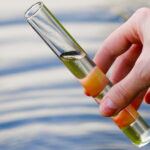
Several methods can be used for regular water testing at home or at the office. Either you buy a home water testing kit or test your water at a certified lab. The home water testing kits are convenient and can give you the results within a short period of time. But make sure to get a kit certified by a credible source like the Environmental Protection Agency (EPA).
The test results of regulated laboratories are better, the tests are more precise. And you don’t want to risk your water, so get it tested by a licensed lab.
Understanding Water Test Results and What They Mean
If you do test for water, then it is vital to know the result. The result will tell you if any contaminants exist, and how much. The EPA has standards for drinking water quality, and the water sample that is tested from your tap will be compared with them. If the test reveals that the water is not polluted to the standards required by the EPA, you will want to do something about it.
Importance of Using Certified Laboratories for Water Testing
When you need to test water, you need to get it from a reputable lab because the results of these labs are more accurate and trustworthy. Accredited labs test in high-tech ways, and the outcome is compared with EPA norms.
Even the certified labs are audited often, making sure that the outcome is correct and trustworthy. Furthermore, accredited laboratories have to undergo stringent quality control processes to make sure that the results are reliable.
Factors that Can Impact Water Quality and How to Mitigate Them
There are many influences on water quality such as pollution, climate change and natural pollutants like minerals and sediment. The most common sources of water quality problems are:
Using land: Land uses like farming and urbanization are the causes of water contamination. For instance, agriculture using pesticides and fertilisers pollutes waterways; urban development creates more runoff and sewage discharge.
Climate change: Change in precipitation, water temperature, and water levels can be very detrimental to water quality if a climate is changing.
-Other natural pollutants: Minerals and sediments are natural pollutants that can affect water quality. Iron, for instance, or manganese in water will stain and darken the water.
The most effective way to control these factors and still get clean water, is through the use of best water management practices. For instance, we need land use systems that minimise the risk of water pollution such as using less pesticides and fertilizers and best management practices for runoff.
Best Practices for Maintaining Safe and Clean Water Supply in Communities
As a way to ensure the water that is provided in the communities is clean and safe, water management and use best practices should be followed. The best practices are among them:
Water testing every few months: we need regular water testing in order to keep our water safe. Remember to use a registered laboratory for water testing and know what results mean and act on them if necessary.
Adopting land use policies that minimise water contamination: Land use policies (agriculture, urbanisation, etc) can have an impact on water quality. For these effects, best management practices in land use should be adopted that will mitigate the risk of water pollution (ie, using less pesticides and fertilisers, implementing best management practices to minimize runoff).
water saving: Water conservation is crucial for having safe and clean water. Water consumption is also an area where we can reduce waste, so that all of us have enough water to drink.
Public education and outreach: Public education and outreach is also an important aspect of a safe and clean water source. If we remind the public to test water, save water and so on, then we can all ensure that we are all being responsible stewards of our water.
Government Regulations for Water Testing and Standards
This is what the EPA does to establish drinking water quality standards, and to enforce them under the Safe Drinking Water Act. EPA determines MCLs for several contaminants and the water we drink must meet these levels for it to be considered human-safe. Additionally, the EPA has water public water utilities routinely test their water and share the results with customers.
Share this on social media:
Facebook
Twitter
LinkedIn

Related Posts