The Essential Need for Universal Access to Safe and Pure Drinking Water
- Published:
- Updated: December 16, 2024
Listen to this article
Summary
Universal access to safe and pure drinking water is vital for public health, economic development, and environmental sustainability. Lack of access can lead to serious health issues, hinder economic growth, and perpetuate poverty. To ensure universal access, governments and organizations must invest in water infrastructure, implement water treatment technologies, promote hygiene and sanitation, and protect water sources. Sustainability is key, involving local communities in planning and management to ensure long-term success. The international community also plays a crucial role, providing assistance and promoting policies that support safe water provision. Access to safe drinking water not only improves health and productivity but also promotes gender equality and breaks the cycle of poverty. Increased investment in water and sanitation infrastructure is necessary to achieve universal access and ensure a healthier, more prosperous future for all.

One of the first human necessities is having access to clean, uncontaminated water. We need it for our own health, hygiene and wellbeing. Even though clean water is a human right, the planet continues to be deficient in many people who don’t even have access to clean water. It’s a very real problem and must be solved fast, for it is a matter that has huge repercussions for the health and wellbeing of individuals in particular in developing countries.
What is Safe and Pure Drinking Water?
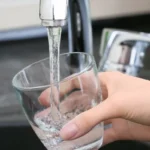
Purified drinking water is water that doesn’t contain any harmful chemicals and microbes that could cause you to get sick or ill. This includes bacteria, viruses, chemicals and heavy metals. For drinking water to be safe and pure, it needs to adhere to certain quality standards from agencies like the World Health Organization (WHO) and the Environmental Protection Agency (EPA). These standards guarantee that water is not polluted with harmful chemicals and bacteria, nor that it contains contaminants that humans cannot ingest.
The Consequences of Lack of Access to Safe Drinking Water

Lack of access to clean, sanitary water is also a public health issue, and disproportionately affects children and older adults. Drinking water contamination also leads to various health problems and diseases such as cholera, dysentery and other diseases associated with drinking water. Additionally, there is also malnutrition caused by unsafe water supplies, as they don’t always have access to clean water for food or water to drink.
Social and economic development can also suffer from the absence of clean, safe drinking water. The water-collection is the work that women and children are putting in every day in many countries, which may not enable them to attend other tasks of importance like work or school. Moreover, if you don’t have access to clean water, it could make you more poor since you might have to fork out a large percentage of your salary to buy the water.
What Can Be Done to Ensure Universal Access to Safe and Pure Drinking Water?
There are several key strategies that can be used to ensure universal access to safe and pure drinking water, including:
- Improving water infrastructure: In many countries, the lack of access to safe and pure drinking water is due to a lack of water infrastructure, such as pipes, pumps, and treatment facilities. Governments and development organizations can invest in water infrastructure to ensure that everyone has access to clean and safe drinking water.
- Implementing water treatment technologies: Water treatment technologies, such as filtration and disinfection, can be used to remove contaminants and pathogens from water, making it safe for drinking. Governments and development organizations can invest in water treatment technologies to ensure that everyone has access to clean and safe drinking water.
- Promoting hygiene and sanitation: Improving hygiene and sanitation practices, such as handwashing and the use of latrines, can help to reduce the spread of waterborne diseases. Governments and development organizations can invest in hygiene and sanitation education programs to promote these practices.
- Protecting water sources: Protecting water sources, such as rivers and lakes, from pollution and contamination is critical to ensuring that everyone has access to safe and pure drinking water. Governments and development organizations can work to protect water sources and reduce the amount of pollutants entering the water supply.
The Importance of Sustainability in Ensuring Universal Access to Safe Drinking Water
Sustainability is a vital part of any action towards universal safe, pure water. That means water infrastructure should be designed and built sustainably, and water treatment technologies should be affordable and readily available. Second, water should be treated in a sustainable manner so that future generations have access to it.
Sustainability in the delivery of potable water can be achieved through participation of local residents in water planning and implementation. This can make sure that water infrastructure and treatment technologies are constructed and enacted locally and with regard to the needs and interests of the local community. Furthermore, including local communities in water management can help to ensure that water resources are sustainable and that all people have access to clean and healthy drinking water.
The Role of the International Community in Ensuring Universal Access to Safe Drinking Water
The international community too has a significant responsibility for providing access to safe and clean drinking water for all. These can include financing and technical support to countries who do not have the means or skills to provide drinking water for their people. The global community can also strive to advocate for policies and legislation that enable safe water provision – for example, international water standards and the protection of water bodies from pollution.
The Connection between Safe Drinking Water and Economic Development
Drinking water that is clean and free of contaminants is important not only for public health, but also for economic growth. Clean water is not available and economic activity is limited because people lack access to water to cultivate crops, set up businesses, or engage in other forms of economic activity. Furthermore, if you cannot have access to good drinking water, then you will also be even poorer because you will need to pay for the clean water using a large chunk of your earnings.
Alternatively, clean and pure water could also drive economic growth and development. For instance, infrastructure such as water access and more clean water can also be a source of investment and small business growth. Furthermore, clean water could increase health and reduce the incidence of waterborne diseases for productivity and economic growth.
The Benefits of Universal Access to Safe Drinking Water for Communities
Community benefits of drinking water that are free for all can range from improved health and hygiene to productivity and economic development. As long as people have access to clean water, it is easier for populations to ward off waterborne disease and thus lower the burden of medical costs and lengthen life expectancy.
Moreover, free safe water also frees up time for education and economic activities for women and children, since no longer they have to spend hours every day bringing water from the deep. This can break the cycle of poverty and enable long term economic growth.
Universal water supplies are also gender-neutral since women and girls are no longer charged with digging water and can enjoy more education and economic freedom.
The Need for Increased Investment in Water and Sanitation Infrastructure
In order to ensure all have access to clean water, the investments in water and sanitation systems must be greater. This includes pipelines, treatment facilities and water-storage, regulations and enforcement to prevent water contamination.
Investing in water and sanitation infrastructure is also critical to the sustainability and efficiency of the efforts to bring safe water to all. We will not be able to provide all of us with clean drinking water without proper infrastructure, particularly in rural areas and the distance from cities.
Share this on social media:
Facebook
Twitter
LinkedIn

Related Posts