Connection Between Water Quality and Water-Based Recreational Activities
- Published:
- Updated: December 14, 2024
Listen to this article
Summary
Water quality is essential for safe and enjoyable water-based recreational activities such as swimming, boating, and fishing. Poor water quality can lead to health risks like gastrointestinal distress and skin irritation. Government agencies regulate water quality standards and monitor parameters like pH and bacterial levels to ensure safety. Human activities, such as pollution and waste disposal, can negatively impact water quality, highlighting the importance of promoting sustainable water management practices. Education plays a crucial role in raising awareness about water quality and encouraging individuals to take proactive steps to protect it. By investing in water quality monitoring systems and promoting awareness, we can ensure that recreational water bodies remain safe and enjoyable for everyone.

There are water-based activities like swimming, boating and fishing that millions of people do all the time. They’re also ways to unwind, remain healthy and commune with nature. Yet the water quality in which they happen is the one factor that determines whether they’re safe and fun.
The Importance of Water Quality in Recreational Areas
It’s a huge factor in the safety and fun of water-based sports — the quality of the water in recreation areas. Bad water quality can result in foul odours, discolouration, and pollution of the water, all of which can harm the health of the people who do these activities. Important for anyone who is interested in water based pursuits, quality of water is something that must be taken into consideration to enhance their wellbeing and pleasure.
The Key Parameters of Water Quality

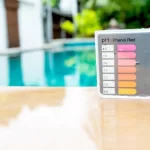
Water quality is measured by many factors like pH, temperature and bacteria. The water’s pH (the degree of acidity or alkalinity) can also affect the dissolution of minerals and other components of the water. This could make the health of people coming into contact with the water affect by too high or too low a pH. Temperatures that are too high will also cause bacterial expansion, while temperatures too low are toxic to anyone who participates in water sports. These parameters are key for keeping water sports safe and fun.
The Health Risks Associated with Imbalanced Water Quality
The water quality can be so bad it can be a big health threat for people doing water-based activities. This can include abdominal pain, skin rashes, and release of poisons into the blood. In extreme circumstances, water that isn’t in the right conditions can trigger severe disease. Know about the health dangers of unbalanced water quality and take action to defend yourself and your family.
Regulating Water Quality in Recreational Areas
The water in recreational facilities should also be in good health and safety, so the government departments play an important role. These authorities create water quality standards, keep track of water quality, and enforce laws for the sake of public health. Monitoring and testing water quality parameters like pH, temperature, and bacteria levels are something that governments can detect in regular intervals and react accordingly. This keeps recreational waterways in public use and prevents public illness or injury associated with water sports.
Government agencies also can help public education about water quality and health hazards caused by unbalanced water quality. If governments are able to raise public awareness and make people take an active interest in protecting water quality, recreational waterways can stay safe and enjoyable for all. Government institutions can have a major role to play in the protection and quality of water bodies used for recreation through a combination of surveillance, regulation and education.
The Impact of Human Activities on Water Quality
Human impacts — pollution and disposal — can be very damaging to recreational water. Industrial, agricultural, urban water can be polluted and it is filled with harmful chemicals and bacteria. This can be very dangerous to the health of people who engage in water activities, and degrade the quality of the water.
Deterioration and water pollution can also be caused by improper disposal of wastes. Stuff like litter, sewage and other waste could leak chemicals and pollutants into the water releasing more bacteria and other harmful compounds. Individuals and groups must consider the extent to which their actions can influence water quality and do something to minimise them.
For example, waste disposal can be minimized, the application of chemicals should be limited and the use of water treatment must be sustainable. Taking an active role in water quality can provide individuals and communities with a means of making water-based recreation health and safe for future generations and preserve the natural world for all time.
Improving Water Quality for Safe and Enjoyable Activities
Water quality at recreational areas and the safety and enjoyment of water-based recreation are among people and communities’ key priorities. That can be done by a combination of human-induced pollution reduction, solid waste management, and environmentally sound water management. Participation in water quality management can make sure that both people and communities don’t fall victim to disease or harm from water recreation and that waterways are a safe and enjoyable place for all to enjoy.
Water quality monitoring systems can even give you real-time information about water quality parameters so that action can be quickly taken to correct the situation. These monitoring systems can alert on pH, temperature and bacterial counts, so that if there is any kind of imbalance, this can be addressed promptly. When water quality can be digitised and monitored, individuals and communities can ensure that recreational water sources are safe and enjoyable for all, safeguarding the health and safety of people who use water.
Promoting Sustainable Water Management Practices
Recs’n’ts water-based parks must also support water conservation and maintain the health and safety of their visitors and the natural world. It could include monitoring and testing of water quality parameters, best-in-class waste management procedures, and training customers about the need for proper water quality. Recreational facilities can play a more active role in managing water quality so their users have a safe and enjoyable experience and preserve the natural environment for the future.
Water quality in the recreational zones is a factor that influences the comfort and security of water activities. Individuals, communities and government agencies should cooperate to keep water clean and ensure the health and safety of those who work with water. If people and communities know the defining parameters of water quality, the health hazards of a disequilibrium of water quality, and the impact of human activities, then they can act to better control water quality and maintain the natural environment. We can do that by monitoring and educating regularly, and spreading good water management habits to keep recreational waterways safe and enjoyable for all.
The Benefits of Water Quality Monitoring Systems
Quality monitoring systems are also useful in keeping water activities safe and enjoyable. They send information to the users on water quality metrics like pH, temperature, and bacterial count in real time. This data can be immediately acted upon to correct any problems and keep the water safe. Water quality monitoring also can provide trending water quality data, so new problems can be detected and proactive solutions can be formulated.
Water quality monitors can even enhance the experience of water-based operations by offering customers data on water quality. This can be conducive to trust and confidence about the water’s quality and overall fun of the activity. With water quality monitors, recreation parks can prove they care about their customers and the environment.
The Role of Education in Improving Water Quality
The teaching aspect of water-based activities is very important to keep safe and fun. The people and communities that can be educated about water quality, health hazards of unbalanced water quality, and the impacts of human activity can take steps to address water quality and the environment. They can also promote awareness of water quality and encourage people to be engaged in preserving it.
Aquatic recreation areas could take a lead in educating the public about water quality. Recreation sites can generate public trust and confidence in their facilities’ safety by releasing information and tools about water quality. Recreation centres can help educate and reach people about water quality, and help them actively participate in its care.
Swimming, boating and fishing are all activities that can be done at the water — they can be a means of relaxation, exercise and immersion into nature. But it is the water quality of that water in which these activities occur that determines whether they are safe and enjoyable. People, communities and government institutions should cooperate in ensuring that water is healthy and that people who engage in water activities are safe and healthy. With the investment in water quality monitoring, sustainable water management and the education of the public about water quality, we can make our recreational watersheds safe and enjoyable for all.
The Role of Technology in Enhancing Water Quality
It is the technological developments which are revolutionising water quality for use as a recreational resource. Technology like real-time water quality sensors, automated test kits and data analytics devices are allowing us to detect and better manage contaminants. These technologies allow you to keep water in optimal health and make water-based recreational activities safe and fun.
Conclusion: Connection Between Water Quality and Recreational Activities
Good water quality is critical for recreation swimming, boating and fishing to be safe and enjoyable. If we know the human effects, apply sustainability measures, and use technological innovation, we can safeguard waterways and make sure they are not contaminated with human waste. People, communities and government departments need to work together in this process, to save our resources and make the planet a better place for everyone.
Share this on social media:
Facebook
Twitter
LinkedIn

Related Posts