Untold Story of Pristine Philippine Water Sources
- Published:
- Updated: December 16, 2024
Listen to this article
Summary
Embark on a journey through the Philippines’ hidden aquatic treasures, where pristine water sources weave tales of awe-inspiring landscapes and cultural richness:
- Untouched Beauty: Explore emerald-green rivers and hidden springs, revealing the country’s rich natural heritage.
- Lifelines for Communities: Discover how locals depend on these waters for sustenance, livelihoods, and cultural practices.
- Threats and Conservation: Learn about the challenges posed by climate change, pollution, and over-extraction, and the ongoing efforts to protect and restore these valuable resources.

Discover the secret of the clear waters that dot the Philippines landscape as we walk a water journey around the Philippines’ aquatic secrets. Natural attractions, biodiverse, the Philippines has thousands of pristine rivers, lakes and waterfalls to capture an aura of peaceful splendour. From the crystalline waters of Palawan’s underground rivers to the majestic Tumalog Falls in Cebu, a journey through the clean Philippine waters is an account of sublime beauty and an embrace with nature.
Emerald Waters: The Hidden Springs and Rivers of the Philippines
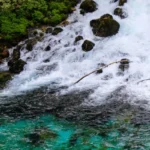
The Philippines is a landmass of more than 7,000 islands with untold natural springs. From the pristine, green rivers that run through its tropical jungle to the hidden springs in its rocky hills, these waters speak to the country’s natural heritage. They represent unspoilt naturalness, feeding and fuelling the many different ecosystems that live there.
These are not geological features; they are living, breathing places moving along the rhythm of the earth, providing water, art and comfort. They are destinations of calm repose, where the flow of water chimes with a lullaby that numbs the mind and soothes the soul.
Lifeblood of Communities: How Locals Rely on These Water Sources

To residents, these clean waters are more than stunning beauty: they are lifelines. They give water for drinking, washing, cooking and irrigation, making life possible even in the most remote parts of the nation. For a lot of Filipinos, life revolves around these waters, coming for water, showering or fishing in their abundant water.
And these sources of water are also economic assets. They support small-scale fishing and agriculture and give most families a living. This is because the health and quantity of these waters has a direct effect on the flourishing of these communities.
What are the threats to pristine water sources?
And these precious sources of water are threatened. They are as beautiful and important as they are problematic — for reasons both natural and manmade, including:
Climate change: Temperature changes, weather changes and calamities can alter the course and quantity of these waterways.
Contamination: Industrial pollution, mining, irresponsible litter-dumping and so on can suffocate these waters and make them unsafe for people and animals.
Over-extraction: Excessive use of water to farm, industry and human domestic consumption depletes these resources causing ecological disturbance and livelihood losses.
These risks point to the need for urgent protection to keep these precious water sources in their purest form.
Conservation Efforts: Protecting the Philippines' Water Treasures
Against these threats, there are many conservation projects in progress. Municipalities, state agencies and non-profits are coming together to save and restore these waters. They work on everything from reforestation and watershed management, to education and laws that control water supply and pollution.
And increasingly, communities see the value of engaging with them on a local level. These are the folks who deal in these rivers every day, after all. They know these waters well and they want to save them.
The Healing Waters: Medicinal and Therapeutic Uses
According to the Philippine culture, such clear waterbodies are filled with curative powers. The hot springs, for example, are considered as spas from which aches and pains can be cured. Even the locals hold to mineral waters that are believed to cure some skin diseases and general health issues.
This folklore shows another aspect of these water sources. They tell us that the human relationship with water is not merely physical, but spiritual, healing and wellbeing.
Sustainable Tourism: Showcasing the Natural Beauty
These clean waters are also integral to the Philippines’ new tourism sector. They are among the best of the country’s natural places to see with tourists awestruck at their beauty and experience. These rivers, be they rafting on a swift river, swimming in a spring or fishing in a serene lake, promise unforgetable encounters with the natural world.
But the increase in tourism comes with its problems. The tourist surge puts extra strain on these fragile ecosystems if they are not managed sustainably. The way these places have to be regulated as tourism must be done with the aim of conserving the wildness so that future generations can enjoy them.
The Sacred Waters: Spiritual Significance in Local Cultures
A good many of these waters are sacred. They are enmeshed in the mythology and taken to be sacred. Watercourses, lakes and springs are considered to be haunted places and sacred in indigenous religions. There are rituals performed on their shores, blessings asked from their waters, and they are regarded as a sacred object.
It is that spiritual attachment that makes these waterways more precious. It creates a respect and responsibility within the communities, which in turn reasserts the value of their care.
The Future of Pristine Water Sources in the Philippines
What happens to these pure sources of water is what we do today. With climate change, pollution and overexploitation putting pressures on the resources, management and conservation are all the more important. If we want these waters to continue feeding the land, animals and human beings, we will have to use them sustainably, we will have to set regulations and make them more visible.
Looking ahead, there is hope. As the environment becomes more conscious, more and more people are noticing that we should save these waters. And there’s a drive for water conservation that’s spreading from local efforts, government policy and the international community.
Share this on social media:
Facebook
Twitter
LinkedIn

Related Posts