The Connection Between Water Quality and Wildlife Habitat Preservation
- Published:
- Updated: December 14, 2024
Listen to this article
Summary
Water quality and wildlife habitat preservation are intricately linked, crucial for ecosystem survival.
- Water quality encompasses physical, chemical, and biological aspects affecting its use and ecosystem health.
- Poor water quality harms wildlife habitats, leading to species decline and ecosystem disruption.
- Initiatives focus on monitoring, preservation, restoration, and education to safeguard water quality and habitats.

Water quality and wildlife habitat conservation go hand in hand, since aquatic ecosystems must remain in good health for many types of wildlife. Degradations in water quality – whether from pollutants or temperature – are harmful to wildlife and their habitats. Understanding the relationship between water quality and wildlife habitat is important to determine how to conserve and preserve these assets for future generations.
What is the Definition of Water Quality?
Water quality: water’s physical, chemical and biological properties, and how these factors influence water quality for drinking, swimming, irrigation, and aquatic life support. Quality of water depends on natural and human variables, such as contaminants, pH, temperature, dissolved oxygen and nutrients. It’s common to measure water quality by having water samples analyzed in the lab and then the data is compared with standards and regulations for water quality to see if it is safe for use.
Relationship between Water Quality and Wildlife Habitat Preservation

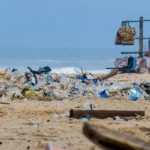
Water quality and wildlife habitat conservation go hand in hand: poor water quality is damaging to wildlife habitats and species that rely on them. For instance, pollutants and contaminants in the water can damage fish and other aquatic animals — reducing their population and the entire ecosystem.
Further, environmental changes in water quality – high or low temperature, for example, or low dissolved oxygen – can impact wildlife habitats as well. These can wipe out some species, destabilise food webs and rebalance the entire ecology. This points to the necessity of high water quality, not just for wildlife health, but for the health and wellbeing of the entire ecosystem.
What is Being Done to Protect Water Quality and Wildlife Habitats?
There are a number of initiatives underway to protect both water quality and wildlife habitats, including:
- Water quality monitoring: Governments and organizations are monitoring water quality to detect and prevent pollution and other contaminants from harming wildlife habitats. This can include regular testing of water sources, as well as monitoring for changes in water quality, such as temperature and dissolved oxygen levels.
- Habitat preservation: Governments and organizations are working to preserve and protect wildlife habitats, including wetlands, forests, and other critical ecosystems. This can involve setting aside protected areas, and implementing regulations to prevent habitat destruction and degradation.
- Restoration: Organizations are working to restore degraded habitats and improve water quality, including removing pollutants and restoring degraded streams and wetlands. This can involve planting new vegetation, removing debris and pollutants, and implementing best practices for water management.
Education and awareness: Governments and organizations are educating communities about the importance of water quality and wildlife habitat preservation, and what they can do to protect both. This can include outreach and education programs, as well as public awareness campaigns.
The Importance of Water Quality for Wildlife Habitat Preservation
Water Quality and Wildlife Habitat Management : Why It Matters For Our Survival?
Good water quality is the way to save wildlife habitats and species from harm. Water that is healthy maintains healthy and flourishing ecosystems that provide habitat and resources for a broad array of animals.
High water quality, for instance, is crucial for aquatic life – fish, amphibians, etc – who breathe, hunt and procreate in healthy water. Efficient water quality is also essential for land-dwelling animals – birds and mammals, for example – that rely on healthy ecosystems for food, shelter and other resources.
Also, water quality also impacts wildlife and human health and wellbeing. Water that is contaminated causes problems for wildlife and can cause human health problems, including digestive diseases, skin rashes and other conditions. That’s why water quality and wildlife habitat must be protected, for environmental health as well as for human health and wellbeing.
The Impact of Climate Change on Water Quality and Wildlife Habitats
Climate change is influencing water quality and habitat as well. Precipitation changes, warmer temperatures and other climate changes can result in water quality disruption, and make it more difficult for wildlife habitat to host complex and healthy ecosystems.
As temperatures increase, for instance, water temperature varies and can damage fishes and throw food webs. Rainfall shifts can affect water quality too, with drought in some places and runoff and flooding in others.
There can also be the destruction of habitat due to climate change, including wetlands, forests and other important ecosystems, which is more reason to ensure water quality and wildlife habitat. Mitigating the effects of climate change on water quality and wildlife habitats will take a hybrid approach, with mitigation through emission reductions, and adaptation through habitat preservation and restoration so that they are resilient to changing conditions.
The Role of Human Activity in Protecting Water Quality and Wildlife Habitats
Water quality and wildlife habitat can be affected by humans, both in good ways and bad. On the one hand, human impacts (pollution and habitat loss) damage water quality and wildlife habitats. The human part, though – conservation, habitat restoration – can conserve water quality and wildlife habitat.
Humans, communities and governments should all be aware of the human effect on water quality and habitats for wildlife, and act to help both. Such measures might be limiting pollution, conserving valuable habitats, or fostering restoration. For instance, we can all save water, dispose of our dangerous waste in the correct ways, and donate to conservationist organisations dedicated to wildlife habitat. They can also build best-in-class water management measures (eg, rain gardens, green roofs) to cut down on run-off and enhance water quality.
Share this on social media:
Facebook
Twitter
LinkedIn

Related Posts