Benefits of Hydration for Athletic Performance and Recovery
- Published:
- Updated: December 16, 2024
Listen to this article
Summary
Hydration is crucial for athletic performance and recovery. It regulates body temperature, sustains blood volume, and boosts cognitive function. Benefits include enhanced physical and mental performance, increased energy, and reduced muscle cramps.
- Improved Physical Performance
- Improved Mental Performance
- Increased Energy

Hydration is key if you are an athlete who expects to perform well and recover quickly after a workout. Hydration maintains body temperature, blood pressure, and cognitive health which are all aspects of athletic performance and recovery.
The Positive Impact of Hydration on Athletic Performance
Hydration is a key factor in athletic performance, and a lack of hydration can lead to a decrease in physical and mental performance, fatigue, and an increased risk of injury. Here are some of the key benefits of hydration for athletic performance:
- Improved Physical Performance: Hydration helps regulate body temperature and maintain blood volume, both of which are important factors in physical performance. When the body is dehydrated, blood volume decreases, leading to a decrease in cardiovascular function and reduced exercise performance. This can make it harder for athletes to perform at their best, especially during intense physical activity. Proper hydration can help improve physical performance by maintaining blood volume and regulating body temperature.
- Improved Mental Performance: Hydration also helps to improve mental performance by maintaining cognitive function, alertness, and concentration. When the body is dehydrated, fatigue, headaches, and decreased mental performance can occur, making it harder for athletes to stay focused and perform at their best. Proper hydration is essential for maintaining cognitive function and supporting mental performance during physical activity. By staying hydrated, athletes can improve their mental performance and stay focused during intense physical activity.
- Increased Energy: Proper hydration helps to increase energy levels and reduce fatigue, allowing athletes to perform for longer periods of time. Dehydration can cause fatigue and decreased energy levels, leading to decreased performance and an increased risk of injury. Staying hydrated is important for maintaining energy levels and reducing fatigue during physical activity. By staying hydrated, athletes can perform for longer periods of time and reduce the risk of fatigue and injury.
- Reduced Muscle Cramps: Hydration helps to reduce the risk of muscle cramps, which can be a common issue during physical activity. Proper hydration helps to maintain the balance of fluids in the body, reducing the risk of muscle cramps and allowing athletes to perform at their best. Muscle cramps can be a major hindrance to athletic performance, and proper hydration is essential for reducing the risk of muscle cramps and other related issues. By staying hydrated, athletes can reduce the risk of muscle cramps and perform at their best.
The Importance of Hydration for Recovery

Proper hydration is also crucial for recovery after exercise, and a lack of hydration can lead to longer recovery times and increased muscle soreness. Here are some of the key benefits of hydration for recovery:
- Improved Recovery Time: Hydration helps to reduce the time required for recovery after exercise by reducing muscle soreness and fatigue. Proper hydration also helps to replace fluids lost during physical activity, allowing athletes to recover more quickly. When the body is dehydrated, it can take longer to recover from exercise, and muscle soreness and fatigue can be more intense. Proper hydration is essential for reducing recovery time and allowing athletes to perform at their best.
- Reduced Muscle Soreness: Hydration helps to reduce muscle soreness by maintaining fluid balance and reducing inflammation. Proper hydration also helps to reduce the risk of muscle cramps and other related issues, allowing athletes to recover more quickly. Muscle soreness can be a major hindrance to athletic performance, and proper hydration is essential for reducing muscle soreness and allowing athletes to recover more quickly. By staying hydrated, athletes can reduce muscle soreness and get back to their training and competition schedule more quickly.
- Improved Joint Health: Hydration also helps to improve joint health by maintaining fluid balance in the joints and reducing inflammation. Proper hydration can help to reduce the risk of joint pain and other related issues, allowing athletes to recover more quickly. Joint health is important for athletic performance, and proper hydration is essential for maintaining joint health and reducing the risk of joint pain and other related issues. By staying hydrated, athletes can improve joint health and reduce the risk of joint pain and other related issues.
The Negative Effects of Dehydration
Dehydration can have a negative impact on athletic performance and increase the risk of injury. Here are some of the negative effects of dehydration:
- Decreased Physical Performance: Dehydration can cause a decrease in physical performance by reducing blood volume and cardiovascular function. Dehydration can also cause fatigue and decreased energy levels, making it harder for athletes to perform at their best. This can increase the risk of injury during physical activity, as well as reduce physical performance.
- Decreased Mental Performance: Dehydration can also cause a decrease in mental performance by reducing cognitive function, alertness, and concentration. Dehydration can cause headaches, fatigue, and decreased mental performance, making it harder for athletes to perform at their best. This can increase the risk of injury during physical activity, as well as reduce mental performance.
- Increased Risk of Injury: Dehydration can also increase the risk of injury by reducing joint health and increasing the risk of muscle cramps and other related issues. Proper hydration is essential for reducing the risk of injury and allowing athletes to perform at their best. By staying hydrated, athletes can reduce the risk of injury and perform at their best.
Recommended Hydration for Athletes
How much water and other fluid athletes need before, during and after exercise is dependent on a range of variables, such as the type, frequency and duration of physical activity performed, the athlete’s body weight and surroundings. Generally speaking, an athlete should drink enough fluids to replace fluids that are lost during activity and more fluids as needed.
Sportmen should drink 17-20 ounces of water 2-3 hours before workout and another 7-10 ounces of water 10-20 minutes before workout. If they’re working out, they should be consuming 7-10 ounces of water every 10-20 minutes (depending on their level of exercise and duration). Athletes are supposed to drink 20-24 ounces of water per pound of body weight lost during exercise when they’re done training.
Others liquids or electrolyte-rich beverages can also be consumed by athletes for the hydration. Sport drinks, coconut water, and electrolyte tablets are just a few options. These can help to replace electrolytes lost during activity and hydration so that athletes can be at their best and recover faster.
The Importance of Hydration During Endurance Activities
Long distance running, cycling and triathlons are endurance sports, and our body is pressed for fuel, and you need the water to stay hydrated and recover. If we are in a marathon sport, we sweat off fluids and dehydrate, if we are not rehydrated. A dehydrated body will become impaired, drained and susceptible to injury.
You should drink water before, during and after endurance activities to stay hydrated. Athletes should drink 17-20 ounces of water 2-3 hours before the event and another 7-10 ounces of water 10-20 minutes before the event. Athletes should drink 7-10 ounces of water every 10-20 minutes (depending on the level and length of the exercise). After the workout, participants should drink 20-24 ounces of water per pound of body weight lost in the exercise.
Another fluid that runners can drink or other electrolyte-enriched drinks to hydrate during endurance events. Such products can be used to replenish electrolytes lost during the exercise and hydration so athletes can play their best game and recover faster. You want your athletes to trial and error different hydration options during training to see what you find most successful in competition.
The Impact of Hydration on Body Composition
It is also critical for body composition to hydrate well as this can impact weight loss and muscle size. Dehydration can also make you lose muscle mass and gain fat which can lead to poor performance. Ensure you are well-hydrated to maintain muscle mass and weight, allowing athletes to be at their peak.
Enough water can prevent you from losing fluid and developing bloating and excess weight. Well hydrated will also assist in digestion, constipation, and weight loss. Hydration can preserve muscle mass and aid weight loss so athletes can work at their best.
Ensuring that your skin is hydrated also helps you to be in good shape, which in turn prevents you from suffering from skin conditions like wrinkles and dry skin. When you’re properly hydrated, you keep skin elastic and moisturized so skin problems are less likely to arise and athletes can perform optimally. Water also helps athletes with body composition and skin health, so they perform at their best and look their best.
Monitoring Hydration Status
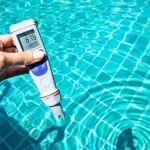
There are a few different methods to gauge the athletes’ level of hydration: Body weight, urine color, thirst. The urine should be light-yellow, with a lack of thirst, if your body is well hydrated. If urine is dark yellow, or if you are thirsty, it means you’re dehydrated, and athletes should drink more water to stay hydrated. Hydration sensors or other technology can also track the athletes’ hydration more accurately. These are capable of reading the athlete’s hydration state via sweat and urine analysis and will give an update on his or her hydration status in real-time.
The other way to keep hydrated is to watch for dehydration symptoms like headache, exhaustion, dry mouth, and dark yellow urine. Any of these symptoms should be tempered with more fluids if the athlete is in water.
Athlete and sports recovery requires that we hydrate properly. Hydration maintains body temperature, blood flow and cognitive function which are all critical for sports performance and recovery. Players need to drink at least the amount needed to replace lost fluids while exercising and if they need to, more. Staying hydrated helps athletes to stay fresh, avoid injuries and get stronger after a session.
Share this on social media:
Facebook
Twitter
LinkedIn

Related Posts