

Understanding Public Water Systems Across the U.S.
Public water networks serve households across the spectrum, from small towns to vast cities. The Water Resources Mission Area tracks patterns that guide decisions on maintaining safe supplies. Each community strives to safeguard tap water quality from source to treatment.
Key Agencies Overseeing Water Quality
The Environmental Protection Agency establishes benchmarks that states follow. Local health departments enforce national standards and address public concerns. This collaboration ensures compliance with EPA regulations while meeting regional needs.
Common Contaminants Found Nationwide
Contaminants like fertilizers, industrial runoff, and disinfection byproducts can pollute drinking water. Surveys show small amounts of metals, nitrates, and chemicals in different areas.
Protective Measures and Regulations
The Safe Drinking Water Act mandates strict limits on contaminants. States enhance federal guidelines with inspections and upgrades to distribution systems. These efforts protect households from pollutants and maintain public health.
Importance of Water Quality Testing at Home
Homes across the United States greatly benefit from regular water quality checks. These tests protect families from hidden dangers in their drinking water. Studies show that enzyme-linked immunosorbent assay and mass spectrometry are accurate for detecting pollutants. This highlights the importance of household vigilance in ensuring tap water quality.
Some contaminants are too small to see with the naked eye. Yet, simple at-home methods can detect them before they cause harm. This proactive approach is essential for maintaining healthy water at home.
Many individuals choose home water testing kits for their ease of use and quick results. These kits can identify bacteria levels, nitrates, and even heavy metals. It’s wise to test water regularly to catch any spikes in contamination levels early.
If initial tests show unexpected results, adding filters or contacting local utilities is a good next step. Knowing the composition of your water empowers you. Regular testing helps detect early signs of contamination. This not only saves time but also boosts confidence in the water your family drinks.
By combining regular home water testing with professional advice, you can ensure your tap water quality remains a priority. This diligent approach brings peace of mind and keeps your loved ones safe.
Expert Perspectives on Regional Water Challenges
Experts across various landscapes underscore the critical need for dependable water systems. Different terrains, population densities, and environmental factors necessitate specific solutions. Many advocates push for clean water initiatives to meet these diverse needs.
Mountains and Rural Community Concerns
Mountainous areas face intense storms and quick snowmelt. Wells in isolated towns often lack regular testing. Ski resorts and small farms count on EPA and state support to ensure safe drinking water.
Urban Infrastructure Hurdles
Big cities have extensive, aging pipe networks. Leaks and corrosion can let contaminants in. Municipal efforts to upgrade these systems are key to maintaining tap water quality in dense areas.
Special Cases in Coastal Regions
Coastal towns deal with sea level rise. Saltwater can contaminate local aquifers. Experts suggest erosion control, fresh groundwater recharge, and other measures to protect tap water quality.
Identifying Safe Drinking Water Indicators
Citizens often judge tap water quality by sight, smell, and taste. Researchers from The quality of our Nation’s waters: Water quality in principal aquifers of the United States reveal hidden dangers. Nitrates, heavy metals, and microorganisms can be present without clear signs. Local observations are key.
Early detection is critical for maintaining tap water quality. Issues may not be apparent until testing reveals specific contaminants. Simple visual cues or sudden odors prompt further checks. This highlights the need for ongoing vigilance and, when necessary, water purification methods.
Clarity, Taste, and Odor Components
Discoloration can indicate rust or mineral buildup. Metallic or bitter tastes suggest chemical interference. A pungent smell might point to sulfur-related bacteria. Regular observation helps families stay proactive.
Signs of Possible Contamination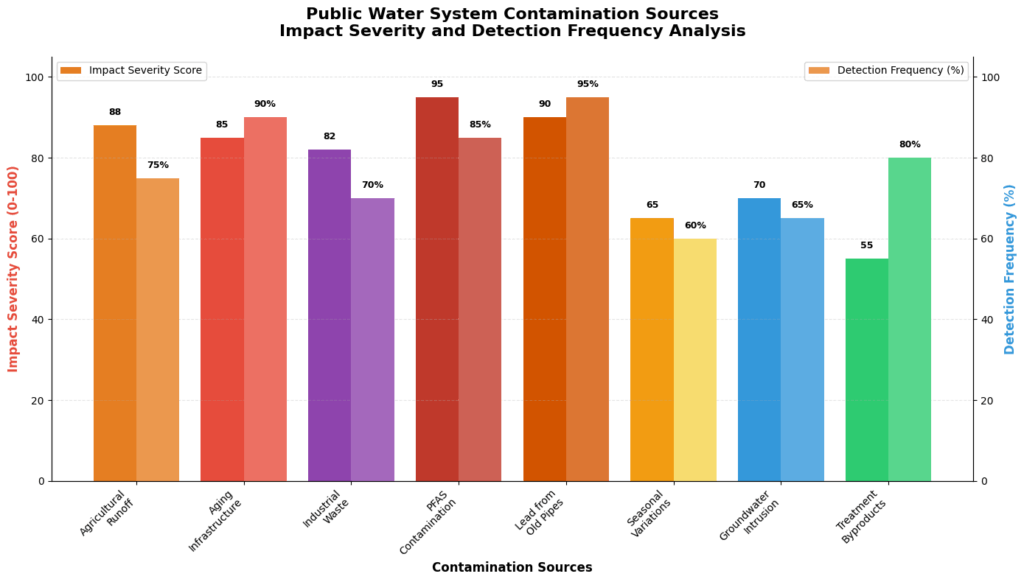
Subtle haze or persistent cloudiness suggests sediment or microbial growth. Unusual stains on fixtures and a strong chlorine-like scent may indicate disinfection byproducts. Quick detection helps choose the right water purification methods for different households. This ensures tap water quality remains acceptable.
Indicator | Possible Issue | Suggested Action |
Unclear Appearance | Minerals or Sediment | Perform Basic Water Test |
Strange Odor | Sulfur or Bacterial Presence | Evaluate for Microorganisms |
Metallic Taste | Rust or Chemical Exposure | Consult Professional Analysis |
Seasonal Shifts in Tap Water Quality
Weather patterns can significantly alter the natural balance of water sources. Heavy rains may flush pesticides and fertilizers into streams, while extreme droughts concentrate certain elements. In Port Harcourt, Nigeria, thermotolerant coliforms moved from 21% to 42% contamination rates when the dry season changed to a rainy period. Such spikes raise concerns about drinking water contaminants and call for vigilant oversight.
Research on public-supply wells in Modesto, California, found more nitrate and uranium during summer pumping periods. Wells in Albuquerque, New Mexico, produced older groundwater with higher arsenic in winter. These findings suggest that shifts in water extraction strategies can reduce exposure risks. Testing and proper filtration can help homeowners maintain safe tap water quality, even when the seasons change.
- Check local plumbing for corrosion after cold spells
- Monitor runoff near agricultural areas
- Use filtration systems rated for identified contaminants
Season | Issue | Example Region | Action |
Wet | Increased bacteria | Port Harcourt, Nigeria | Frequent tests |
Summer | High nitrate, uranium | Modesto, CA | Adjust pumping schedules |
Winter | Elevated arsenic | Albuquerque, NM | Track well depth |
Methods to Diagnose Contamination Issues
Ensuring the safety of home water is a critical family decision. Simple tests and detailed studies uncover hidden dangers in the water supply. The GAMA Program Priority Basin Project offers insights into groundwater evaluations across various regions.
On-Site Testing Kits
DIY tools allow residents to conduct quick tests for common contaminants. They often detect changes in taste or bacteria levels. These kits help determine if more extensive testing is required.
Professional Lab Analysis
Certified labs employ precise methods to identify pollutants like nitrates or heavy metals. This approach helps identify specific risks and ensures good tap water quality. Regular lab visits enhance confidence in local water resources.
Interpreting Your Results
Clear guidelines exist to compare findings against safe limits. The data usually aligns with EPA water regulations, indicating if changes are necessary. Homeowners use these reports to make informed decisions about filtration or other solutions.
Case Studies from Different States
In California, New Jersey, and Minnesota, research uncovered unexpected challenges in water supplies. Industrial waste, agricultural runoff, and old infrastructure directly affected tap water quality. To protect health, communities turned to advanced filtration systems, like those from Culligan.
Many households began daily checks for color or taste changes after attending information sessions. This proactive step was a response to the need for constant vigilance.
Public records revealed that passing safety inspections doesn’t always mean water is free from contaminants. Repeated assessments were key to uncovering hidden issues near urban areas and private wells. Municipalities launched local outreach programs, urging residents to test their water at home.
This approach highlighted the shared responsibility between local officials and residents. Regular home water testing often caught minor changes before they became major health risks. The use of new pipe materials and regular maintenance further decreased contamination risks. These efforts show that proactive strategies can maintain safe drinking water in various environments.
Filtering and Purification Solutions
Homes aiming to maintain tap water quality have various filtration options. Water utilities often implement clean water initiatives. Yet, personal systems provide an additional layer of protection. Recent reports from New Jersey American Water show how municipal efforts reduce contaminants before water reaches homes.
Under-the-Sink Systems
These compact units fit under the kitchen sink and target common impurities. Some models use reverse osmosis or carbon-based filters. They focus on a single point of use, ensuring fresh taste in key areas.
Whole-House Filtration
Larger installations filter water as it enters the property. They treat every faucet, ensuring consistent water quality. Families often seek professional advice on maintenance before choosing the best system.
Comparing Filter Technologies
Ultraviolet treatment reduces certain microorganisms, while multi-stage filters tackle odors and sediments. Each technology addresses specific regional concerns about tap water quality. They align with local clean water initiatives, promoting safer drinking habits across the nation.
Filter Type | Main Advantage | Considerations |
Reverse Osmosis | Removes dissolved solids | Slow flow rate |
Activated Carbon | Reduces chlorine taste | Regular filter changes |
UV Purifier | Targets bacteria | Needs stable power source |
Impact of Aging Infrastructure on Water Safety
Old pipelines and distribution networks are prone to cracking or corroding. This allows contaminants like PFAS and heavy metals to seep into public supplies. Once protective coatings wear off, tap water quality can suffer significantly. Built decades ago, many city systems face challenges from shifting soil, extreme weather, and wear and tear.
Repair efforts involve replacing pipes and introducing corrosion controls. Local agencies team up with the Environmental Protection Agency to secure funding. The process is lengthy due to the extensive labor needed. Monitoring tools help teams quickly identify leaks, preventing widespread contamination.
Investing in better infrastructure reduces the need for costly purification methods later on. A proactive approach ensures safer water for households. Today’s investments in modernization pave the way for a healthier future for all communities.
Community-Led Water Initiatives
Across the United States, residents are coming together to tackle tap water quality issues. Aging systems in many areas pose significant challenges. Through shared responsibility and local advocacy, communities are making strides. They focus on addressing contaminants that threaten public health.
In various states, volunteers and neighborhood groups are leading the charge. They organize workshops and testing drives to identify problem areas. This effort empowers households to understand and address their specific concerns.
Grassroots Movements
In Michigan, citizens have formed coalitions to tackle water quality issues. They have secured State Revolving Fund loans from the Michigan Department of Environment, Great Lakes, and Energy. These loans have funded projects worth over $900 million to address contamination.
Volunteer teams gather updates and keep decision-makers informed. They push for continuous improvement in water distribution. Their efforts are critical in ensuring clean drinking water for all.
Local Funding and Grants
Rural communities benefit from the U.S. Department of Agriculture’s Rural Utilities Service. This program offers loans and technical support for communities with populations under 10,000. Several towns use these funds to build water tanks and upgrade pipelines.
Urban centers also have opportunities for improvement. Atlanta plans to invest billions in modernizing its plumbing. This effort is a partnership with federal agencies to reduce the risk of contaminants. Grants and low-interest loans provide financial support, enabling communities to improve tap water quality over time.
Addressing Lead and Heavy Metal Concerns
Lead and other metals can pose serious threats to tap water quality. Aging pipelines and older household fixtures often contribute to elevated metal concentrations. Residents who perform periodic checks reduce exposure risks. EPA water regulations set strict limits to help safeguard public health, yet home maintenance plays a central role.
Experts suggest flushing taps for a short period before use and installing filters certified for metal reduction. Consumers who seek lead-free valves or piping minimize long-term hazards. The USGS National Water Quality Monitoring Network continues to track metal levels in many regions, highlighting ongoing efforts to detect problems early.
Frequent testing alerts families to possible issues, empowering them to take preventive measures before health becomes compromised.
Simple steps often yield significant results. Fitting modern fixtures, replacing outdated connections, and maintaining awareness of local reports can bolster tap water quality. Combined with EPA water regulations, these actions aim to keep households safer in communities facing possible contamination.
Environmental Factors Influencing Drinking Water
Water sources face immense pressure from land use and changing weather patterns. Nutrients and chemicals can travel long distances, posing challenges to communities aiming for safe tap water quality.
Agricultural Runoff
Crops need fertilizer and irrigation to grow. Excess nutrients can end up in lakes or wells, increasing the risk of algal blooms. Fields near rivers and streams can also contribute runoff, affecting local aquifers.
Industrial Waste
Factories often use chemicals or heavy metals in their processes. While some facilities treat their discharge, any oversight can endanger groundwater. Large-scale production sites need careful monitoring to safeguard nearby water supplies.
Climate Change Effects
Intense storms put a strain on aging infrastructure. Dry spells may concentrate contaminants in limited water reserves. This has led many households to consider home water testing for greater confidence in their daily consumption.
Source of Pollution | Potential Impacts | Possible Solutions |
Fertilizer Runoff | Elevated nitrates in tap water quality | Organic farming methods, buffer strips |
Industrial Chemicals | Heavy metal accumulation in groundwater | Strict discharge standards, regular audits |
Extreme Weather | Rapid changes in water sources | Resilient infrastructure, ongoing home water testing |
Technological Advances in Water Monitoring
Systems for tracking tap water quality are evolving, driven by public demand for safer water. Clean water initiatives rely on advanced tools that continuously capture and analyze treatment data. This ensures water quality is monitored around the clock.
Organizations use data from the USGS National Water Quality Monitoring Network to develop remote monitoring solutions. These innovations measure variables like pH and turbidity. They alert water services to unexpected changes.
Smart Sensors and Real-Time Data
Smart technology provides precise feedback on chemical and microbial shifts. Continuous surveillance helps operators and researchers spot subtle fluctuations. These might affect consumers.
Remote Alerts for Contamination
Digital platforms now share warnings immediately when sampling equipment detects heightened risks. This early insight allows for rapid responses to protect tap water quality. Subscribers receive prompt mobile notifications, boosting community awareness.
Monitoring Focus | Benefit | Application |
Real-Time pH Checks | Immediate anomaly detection | Guides clean water initiatives at treatment sites |
Turbidity Readings | Enhanced clarity insights | Prevents distribution of cloudy water |
Online Alert Systems | Faster public warnings | Optimizes hazard notifications through mobile apps |
Finding Reliable Resources for Continued Learning
Staying informed about tap water quality requires seeking dependable guidance. Federal and state agencies publish facts. Local utilities share public reports detailing their water purification methods.
Health agency websites offer guides on these topics. Annual Water Quality Reports from providers like New Jersey American Water provide detailed information on contaminants. For broader comparisons, examining this source is helpful. Scientific journals and academic reviews offer additional insights.
Local universities provide extension programs that highlight various water purification methods. Readers gain clarity by reviewing multiple studies on tap water quality. Clear data fosters trust and grounds decision-making in evidence.
- Check credentials and publication dates
- Look for peer-reviewed research or official endorsements
- Gather consumer feedback from recognized health groups
Resource | Key Benefit |
Government Agency Sites | Trusted regulatory updates and advisories |
Utility Disclosures | Local testing results and transparent data |
Certified Labs | Methods for advanced testing and purification |
Looking Ahead to a Healthier Water Future
Massive investments in clean water infrastructure are transforming our networks and homes. The Biden-Harris Administration is committing nearly $6 billion through the Bipartisan Infrastructure Law. This funding supports projects to replace outdated service lines and tackle PFAS contamination.
Tap water quality is set to improve with advancements in real-time monitoring and filtration. The California Groundwater Ambient Monitoring and Assessment program provides insights into long-term protection of local water supplies. Filterbaby’s Eco-Pro shower filter, for instance, reduces plastic waste by up to 90% while removing harmful contaminants like chlorine and lead.
Communities thrive when scientists, policymakers, and citizens collaborate to protect resources. Aging pipes are now a priority, and groundbreaking research is uncovering new ways to combat emerging threats.
Ensuring tap water quality is a collective endeavor. Strong alliances between public and private sectors offer hope for a healthier future. Inspired efforts at all levels are necessary to guarantee safe drinking water for future generations.