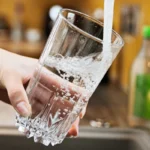
Tackling Copper Contamination in Brooklyn’s Drinking Water
- Published:
- Updated: January 2, 2025
Listen to this article
Summary
Copper contamination in Brooklyn’s drinking water poses significant health risks. Elevated copper levels can result from corroded pipes and industrial activities, leading to serious health issues. Understanding the current state of water quality, regulatory standards, and actionable steps can help mitigate these risks.

It’s all in Brooklyn from the history of its neighborhood to its food scene. But under the vibrant surface there is a problem common to many cities – copper in drinking water. Copper pipes are expensive and common but they can leak copper into the water if the water is acidic. While a tiny dose of copper is needed for good health, in high enough doses we get a multitude of health problems and the water has a metallic flavour.
What is Copper Contamination?
When copper is present in water bodies, it is contaminated. Some copper exists in nature at very small levels, but in excess it’s toxic. Mining, manufacturing and agriculture can all be copper producers with run-off and waste emissions causing overflows into local water supplies like Brooklyn’s.
Copper is an essential mineral for human health, but overconsumption can be harmful. The copper pipes we use to get water into our homes can become contaminated when the pipes corrode. Copper pollution, in contrast to other types of pollution, can also happen near the tap—right in your walls.
The Dangers of Copper in Drinking Water

High copper intake will create immediate nausea, vomiting and diarrhoea when sustained for an extended period of time. Not only is it a temporary numbness: acute exposure in extreme instances can damage the liver and kidneys. The dangers aren’t cheap either, because high copper levels also slow down the body’s metabolism of other vital nutrients.
Chronic copper exposures can be even worse. A high copper level was also associated with development problems in children, liver malfunction and even Alzheimer’s in older people. Such risks mean copper contamination is not just an environmental problem but a public health problem that must be addressed immediately.
The Current State of Brooklyn’s Water Supply
The latest water quality reports also found several areas of Brooklyn to be problematically copper contaminated. While water is tested and treated on a regular basis, minor problems develop between testing and people are unaware of them. Some discoloured water or strangely tasted tap water have been symptoms of something much more serious.
It is constantly under the watch of government departments and local authorities, but not always. The absence of periodic testing and gaps in the system means it is typically up to residents to be on top of it. This shows just how critical it is for both individuals and communities to be responsible water users.
Regulatory Standards: Are They Enough?
Even there are federal standards for safe levels of copper in water, though these may not be enough to protect all people. Copper’s EPA legal limit is 1.3 parts per million in water, the U.S. Environmental Protection Agency (EPA). But this doesn’t capture other vulnerable groups such as infants and older people, for whom even lower doses could be harmful.
And sometimes state and local laws don’t fully match federal regulations. Even if laws exist, enforcement and periodic surveillance are uneven. This means we must also take into account not only what’s in place but also whether it’s properly followed and enforced to determine whether precautions against copper contamination are adequate.
How Other Cities Are Tackling the Problem
- Flint, Michigan: Adopted a comprehensive water testing regime and upgraded their water treatment facilities.
- Portland, Oregon: Implemented a "Lead and Copper Rule" that led to replacing harmful piping materials.
- Copenhagen, Denmark: Utilized advanced filtration systems that also addressed a range of other contaminants.
Learning from these cities can offer valuable insights into what Brooklyn could potentially implement. Whether it’s community-based water testing initiatives, advanced filtration systems, or stronger regulations, there are proven strategies that can help mitigate the risks associated with copper contamination.
Actionable Steps for Homeowners
If you’re a Brooklyn homeowner, it doesn’t have to be government agencies taking over. Do it yourself projects will cut down on your exposure to copper dramatically. Sink faucet filters, for instance, are portable and very good at sucking up the copper dust. : Boiling water in advance is another easy fix, but it takes longer and is less effective.
If the DIY doesn’t work well enough, maybe you need a professional. Proper contractors can check for copper levels in your home plumbing system and make bigger-ticket items such as replacing pipes. These are more expensive interventions, but they can be necessary in older properties with old systems.
What Can the Community Do?
Sensing copper pollution is the first part of a movement. Communities can exchange knowledge through local workshops and educational sessions. Events like these can teach the community how to test their water at home, understand water quality reports and act if copper is detected in excess.
Furthermore, local organizations could ask for better water quality regulations and for the funding of improved water treatment plants. And they can work with existing environmental groups to use their collective power to actually rewrite the law. Both public and private can act together to create a safer water source.
Future Projections and Ongoing Research
A number of proposed rules would improve water quality, ranging from the permissible levels of some contaminants such as copper. These regulatory updates are supported by continued academic and independent studies that try to learn more about the effects of copper exposure in the long term.
Technologies to treat water are another promising development in the research. Nano-filtration, artificial intelligence-driven water quality monitoring – the future promises better approaches to dealing with copper pollution. Yet these technologies have to be used at a very early stage, with clear regulation, in order to make a difference.
Health Risks of Copper Contamination
Nixing, vomiting and diarrhoea are symptoms of acute copper overload. Exposure over time will cause liver and kidney disease, childhood problems and even risk of Alzheimer’s disease in the elderly. These risks need to be identified and mitigated for public health reasons.
Conclusion: Tackling Copper Contamination in Brooklyn's Water
So in short, Brooklyn’s copper in water is a public health crisis. Copper needs to be contained with federal and local regulations but individual and collective measures are needed. Filters can be installed by the individual and the water tested frequently; community organizations can push for tougher regulations and water treatment facilities. Working together, Brooklyn can bring healthier, safe drinking water to every Brooklynn.
Share this on social media:
Facebook
Twitter
LinkedIn

Related Posts