
The Importance of NYC’s Water Supply
New York City’s water supply system is a testament to engineering prowess, providing top-notch drinking water to millions. It boasts a storage capacity of 550 billion US gallons, serving over eight million residents and one million in four upstate counties daily. This system is one of the largest and most complex globally, catering to nine million urban consumers.
The system comprises three major parts: the Croton, Catskill, and Delaware systems, stretching up to 125 miles from the city. The Croton system, operational for over a century, includes the Old and New Croton Aqueducts. The Catskill Aqueduct, operational for nearly a century, has a capacity of 850 million gallons per day. The Delaware Aqueduct supplies over 500 million gallons daily, supporting half of the city’s water needs.
Delivering High-Quality Drinking Water to Millions
The New York City Department of Environmental Protection (DEP) prioritizes safe, high-quality drinking water. It operates 14 water pollution control plants, treating 1.5 billion US gallons of wastewater daily. In 2015, the DEP conducted 383,000 tests on 31,700 water samples to uphold strict standards.
The city has invested in cutting-edge facilities like the Croton Water Filtration Plant and the ultraviolet disinfection facility. The UV facility, the world’s largest, can treat up to 2.2 billion US gallons daily.
The Crucial Role of the Croton Watershed
The Croton Watershed, east of the Hudson River, is essential to the NYC water supply. It supplies around 10 percent of the city’s water but can increase during droughts or repairs. The system includes 12 reservoirs and three controlled lakes, highlighting the need for watershed protection.
The DEP has run a Long-Term Watershed Protection Program for over a decade. It focuses on addressing pollution sources. Studies show a link between watershed activities and water quality when management is poor. By protecting the watershed, the DEP ensures safe drinking water for millions of New Yorkers.
The Croton Watershed: An Overview
The Croton Watershed is a vital part of New York City’s water supply system. It stretches across Westchester and Putnam Counties, east of the Hudson River. This area’s geography is key to providing clean drinking water to millions of New Yorkers.
Geographic Location and Extent
The Croton Watershed covers about 375 square miles. It features a mix of forests, wetlands, and urban areas. The Croton Falls Reservoir, a major reservoir, is located at 41°22′19″N 73°40′09″W. It has a catchment area of 16 square miles and a surface area of 603 acres.
Reservoirs and Controlled Lakes
The watershed has 12 reservoirs and three controlled lakes. All these flow into the New Croton Reservoir. The Croton Falls Reservoir, a key part, can hold 14,200,000,000 US gallons of water. It sits at a surface elevation of 308 ft.
Reservoir | Year Placed into Service | Dam Height | Improvement Project Cost |
Croton Falls Reservoir | 1911 | Nearly 100 ft (30 m) | $74 million |
Contribution to NYC’s Water Supply
The Croton Watershed is the oldest reservoir system for New York City. It has been a major water source for over a century. Located about 50 miles from New York City, it delivers high-quality drinking water to millions.
During the Delaware Aqueduct repair, the Croton Watershed’s role will grow. This shows its essential part in keeping water supply reliable for future generations.
Threats to the Croton Watershed
The Croton Watershed, a critical part of New York City’s water supply, is under threat from invasive species. These non-native organisms, including zebra mussels, hydrilla, and fishhook water fleas, can severely impact water quality and disrupt ecosystems.
Invasive Species: Zebra Mussels, Hydrilla, and Water Fleas
Zebra mussels, introduced in 2021, can quickly reproduce and clog water systems. Hydrilla, found in 40 percent of sampled sites from 2018 to 2022, can lead to harmful algal blooms and toxin release. Fishhook water fleas, discovered in 2022, pose an unknown threat to marine ecosystems.
The spread of these species is linked to New York’s interconnected freshwater systems. About 40 percent of the state’s freshwater is connected by canals, allowing species like the round goby to move swiftly into the Hudson system in 2021.
Potential Impact on Water Quality and Ecosystem
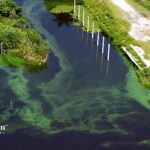
Invasive species in the Croton Watershed can significantly affect water quality. Zebra mussels and hydrilla can foster cyanobacteria growth, impacting drinking water taste, odor, and safety. The NYC Department of Environmental Protection has stepped up cyanobacteria monitoring post-zebra mussel arrival.
Ecosystem disruption is another major concern. Invasive species can alter food webs and habitats. The presence of Aetokthonos hydrillicola, linked to hydrilla, has caused wildlife deaths, including waterfowl and bald eagles.
Invasive Species | Year of Introduction | Potential Impact |
Zebra Mussels | 2021 | Clogging water supply systems, promoting cyanobacteria growth |
Hydrilla | 2018-2022 | Promoting harmful algal blooms, releasing toxins |
Fishhook Water Fleas | 2022 | Unknown impact on marine ecosystem |
The Zebra Mussel Invasion
The introduction of zebra mussels, small mollusks from Eurasia, into the Croton system in 2021 has caused significant concerns. These invasive species were likely introduced through boats from a bass tournament. This highlights the need for vigilance in preventing the spread of non-native organisms.
After their introduction, the zebra mussel population grew rapidly. They consume plankton, reducing food for native species and potentially leading to harmful algal blooms. The New York City Department of Environmental Protection has increased monitoring of cyanobacteria due to the zebra mussel invasion. This is in response to the mollusk spread’s ecological impacts.
Zebra mussels can also clog water supply systems, causing infrastructure damage. The Croton system, which supplies around 10% of New York City’s water, is highly vulnerable. With 12 reservoirs and three controlled lakes, controlling established zebra mussel populations is a significant challenge. Prevention and early detection are key to protecting the city’s water supply.
Statistic | Value |
Croton system’s contribution to NYC water supply | 10% |
Number of reservoirs in the Croton system | 12 |
Number of controlled lakes in the Croton system | 3 |
Year of zebra mussel introduction | 2021 |
The New York City Department of Environmental Protection has allocated significant resources to source water protection. Nearly $100 million was spent in the most recent fiscal year. Over $1.5 million was dedicated to ecosystem protection, including managing invasive species like zebra mussels. As the city works to control these mollusks, ongoing monitoring, research, and public awareness are essential. They will help mitigate the long-term effects on the Croton system and New York City’s water supply.
Hydrilla: A Fast-Spreading Aquatic Plant
The invasive aquatic plant hydrilla has invaded the Croton River and New Croton Reservoir. These water sources supply about 10% of New York City’s drinking water. This fast-growing plant, commonly used in aquariums, can spread quickly, causing significant ecological impacts.
Introduction and Spread of Hydrilla
Hydrilla, originally from Asia, was first spotted in the Croton River in 2008. It has now been found at 40% of the 449 sites sampled along the river between 2018 and 2022. Its ability to grow up to an inch per day enables it to rapidly spread, forming dense mats. These mats block sunlight and outcompete native aquatic plants.
Ecological Impacts and Health Risks
The hydrilla invasion leads to a cascade of ecological problems. As it spreads, it causes native aquatic plants to die off, disrupting the ecosystem’s balance. Fish populations may also be affected, as the dense mats alter their habitat and food sources. Hydrilla is also linked to Aetokthonos hydrillicola, a neurotoxin that can cause brain lesions in wildlife and pose health risks to humans.
Efforts to Eradicate Hydrilla in the Croton River
To combat the aquatic plant spread, eradication efforts have been ongoing in the Croton River. Over five seasons, a low concentration of herbicide was applied to a three-mile stretch of the downstream river. This effort successfully eradicated hydrilla in that area. Yet, the plant remains in the New Croton Reservoir, requiring ongoing management to prevent further spread and mitigate ecological impacts and health risks.
The NYC Department of Environmental Protection has allocated over $1.5 million for source water protection. This is part of its nearly $100 million budget for ecosystem protection and invasive species management. As eradication efforts continue, collaboration among agencies and organizations, along with public awareness and engagement, will be key. They will help safeguard the Croton watershed and New York City’s drinking water supply.
The Emerging Threat of Fishhook Water Fleas
The discovery of fishhook water fleas (Cercopagis pengoi) in the Croton Reservoir in 2022 has raised concerns about their impact on New York City’s water supply. Their presence poses a significant threat to water quality and ecosystem balance. The long-term effects on the Croton Watershed are not yet fully understood.
Fishhook water fleas are voracious consumers of zooplankton, with a single individual capable of consuming up to 20 zooplankton per day. Their population densities can reach over 100,000 individuals per cubic meter. This leads to a substantial reduction in native zooplankton populations. Studies indicate that their introduction can negatively impact native zooplankton by up to 50%, affecting the entire aquatic food web.
Fishhook Water Flea Impact | Data |
Maximum population density | Over 100,000 individuals per cubic meter |
Reduction in native zooplankton | Up to 50% |
Reproductive rate (laboratory conditions) | Up to 30 eggs per female per week |
Economic impact on Great Lakes fishing industry | Millions of dollars annually |
The depletion of zooplankton by fishhook water fleas can create conditions that favor the growth of harmful algal blooms. This negatively impacts water quality. The decline in zooplankton populations can also lead to a decrease in the biomass of certain fish species. This affects the overall health of the aquatic ecosystem.
Like zebra mussels, another invasive species found in the Croton Watershed, fishhook water flea eggs can survive prolonged periods of drying. Their spread through contaminated fishing gear is a significant concern. As the Croton Watershed supplies approximately 10% of New York City’s drinking water, effective monitoring and management strategies are needed. These are necessary to protect this vital resource from the threat of invasive species.
Climate Change and Invasive Species
The effects of climate change on New York City’s watersheds are clear, with warmer weather and more frequent extreme precipitation events. These conditions are ideal for the spread of invasive species. As temperatures rise, species that couldn’t survive the region’s winters before may now thrive in the city’s water supply, including the Croton Watershed.
The zebra mussel, introduced in 2021 during a bass tournament, is a prime example of an invasive species in the Croton system. The fishhook water flea, found in the reservoir last year, poses unknown risks to the food chain. Climate change makes these threats worse by creating perfect conditions for their spread.
Extreme precipitation events, a result of climate change, can stir up sediments and disrupt native species. About 40% of New York’s freshwater is connected to canals, aiding the movement of invasive species across watersheds.
Invasive Species | Year Introduced | Potential Impact |
Zebra Mussel | 2021 | Increased monitoring of cyanobacteria in water |
Fishhook Water Flea | 2022 | Unknown wider implications for the food chain |
Round Goby | 2021 | Threat to native fish populations in the Hudson system |
Warmer Weather and Extreme Precipitation Events
Warmer fall weather and extreme precipitation events, linked to climate change, are creating ideal conditions for invasive species and harmful algal blooms in New York City’s watersheds. The presence of Aetokthonos hydrillicola, a neurotoxin from the invasive aquatic plant hydrilla, is a significant threat to wildlife, including waterfowl and bald eagles.
Potential for New Invasive Species to Survive in NYC Watersheds
As climate change continues, the chance for new invasive species to survive and thrive in New York City’s watersheds, including the Croton system, grows. The Department of Environmental Protection has dedicated over $1.5 million from its nearly $100 million budget for source water protection to ecosystem protection and invasive species management. Yet, the dynamic nature of invasive species threats due to climate change demands constant vigilance and adaptability in watershed management strategies.
The Delaware Aqueduct Repair Project
The Delaware Aqueduct, stretching 85 miles (137 kilometers), is the longest tunnel globally. It supplies about 50% of New York City’s water, delivering over 500 million gallons (1.9 billion liters) daily. This water serves more than 8 million residents and several upstate towns. Despite being operational for 78 years, it faces significant leaks, losing up to 35 million gallons (132 million liters) daily.
Addressing Leaks in the World’s Longest Tunnel
The city has launched a $2 billion repair project to address the Delaware Aqueduct leaks. A key part of this is building a 2.5-mile (4-kilometer) bypass tunnel. This tunnel connects two shafts, 900 and 700 feet deep. It took nearly a decade to finish, enabling the main aqueduct’s repair.
Ensuring a Reliable Water Supply for Generations
The repair, lasting up to eight months, will temporarily shut down 40 miles (64 kilometers) of the aqueduct. To maintain a reliable water supply, the city is increasing the Catskill Aqueduct’s capacity. It will also draw from a dozen reservoirs and three lakes in the Croton Watershed, which usually provides 10% of the city’s water.
Potential Changes in Water Taste and Aroma During Repairs
With the Delaware Aqueduct offline, the city will rely more on the Croton Watershed. This might lead to changes in the taste and aroma of water. These differences stem from the Croton water’s unique mineral content and algae levels. Yet, the water quality will remain safe and meet all health standards during the repairs.
Monitoring and Management Strategies
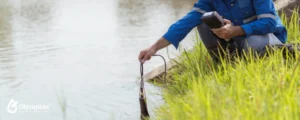
The Department of Environmental Protection (DEP) has stepped up its monitoring strategies for invasive species management and water quality monitoring in the Croton Watershed. This effort includes close interagency collaboration with the United States Geological Survey (USGS) and the Champlain Lake Water Basin Program. They work together to assess invasive species impacts, create management plans, and implement control measures.
Increased Monitoring of Invasive Species and Water Quality
The DEP conducts extensive testing to ensure the safety and quality of New York City’s water supply. In 2023, the department performed 357,700 health and quality tests. This is vital, given that New York City uses nearly 1 billion gallons of water daily. This water comes from 19 reservoirs and three controlled lakes, up to 125 miles away.
The Croton system, which supplies about 10% of the city’s water, is a key focus for invasive species monitoring. Hydrilla, a fast-spreading aquatic plant, was found at 40% of the 449 sites sampled in the Croton River between 2018 and 2022. Eradication efforts successfully removed hydrilla from a three-mile stretch of the downstream river. Zebra mussels, introduced in 2021, and the recent discovery of the fishhook water flea in the reservoir have raised ecological concerns.
Collaboration Among Agencies and Organizations
Effective invasive species management and water quality monitoring depend on strong partnerships and interagency collaboration. The DEP collaborates with the USGS and the Champlain Lake Water Basin Program. This collaboration allows for the development of detailed monitoring strategies and targeted interventions to combat invasive species threats.
In the most recent fiscal year, the DEP allocated nearly $100 million to source water protection. Over $1.5 million was dedicated to ecosystem protection and invasive species management. This financial commitment highlights the importance of protecting the city’s water supply and the role of interagency partnerships in achieving this goal.
Public Awareness and Engagement
The New York City Department of Environmental Protection (NYC DEP) understands the vital role of public awareness and engagement in safeguarding the city’s water supply. The Croton Watershed, covering 971 square kilometers, is a key source of up to 30% of the city’s water during droughts. It’s imperative to educate and involve the public in preventing invasive species and promoting responsible practices.
The NYC DEP employs a multi-faceted approach to enhance public awareness and user education. By targeting recreational users like anglers and boaters, the department aims to prevent the spread of invasive species in the watershed. Through outreach programs, the NYC DEP promotes responsible practices, including:
- Properly cleaning and decontaminating equipment before and after use
- Avoiding the release of bait or aquarium species into the watershed
- Reporting sightings of invasive species to the appropriate authorities
Beyond educating recreational users, the NYC DEP also engages with the broader public through various initiatives. These efforts include:
- Partnering with local schools and community organizations to develop educational programs on watershed protection and invasive species prevention
- Hosting workshops and seminars for residents and businesses within the watershed to promote best management practices
- Collaborating with other agencies and organizations to develop and implement invasive species management strategies
By investing in public awareness and engagement, the NYC DEP aims to foster a shared responsibility for the Croton Watershed’s health. Through ongoing education and outreach, the department seeks to ensure the watershed continues to provide high-quality drinking water to millions of New Yorkers for generations to come.
Investing in Watershed Protection
The New York City Department of Environmental Protection (DEP) understands the vital role of watershed protection. It’s essential for safeguarding the city’s water supply. The DEP has committed significant funds to source water protection and ecosystem conservation across its watersheds.
In the latest fiscal year, the DEP spent nearly $100 million on watershed protection. This focus on preserving ecosystems and managing invasive species showcases the city’s commitment. It aims to ensure the quality and reliability of its drinking water for millions of residents.
DEP’s Budget Allocation for Source Water Protection
The DEP’s budget for source water protection shows its proactive stance on protecting New York City’s water resources. The 2024-25 Enacted Budget allocated $400 million to the Environmental Protection Fund (EPF). This reflects the state’s ongoing commitment to environmental conservation.
The voter-approved Bond Act also adds $4.2 billion for updating water infrastructure and protecting quality. These funds are critical for addressing aging infrastructure challenges. They ensure the resilience of the city’s water supply system.
Funding Source | Amount | Purpose |
Environmental Protection Fund (EPF) | $400 million | Sustained funding for environmental conservation |
Voter-approved Bond Act | $4.2 billion | Updating aging water infrastructure and protecting water quality |
Ecosystem Protection and Invasive Species Management
A significant portion of the DEP’s investment goes towards ecosystem protection and invasive species management. Over $1.5 million is allocated for these efforts. This highlights the agency’s understanding of the critical role of healthy ecosystems in maintaining water quality.
The DEP supports ecosystem protection through various programs. These include:
- Funding the installation of high-level treatment technology on more than 30 existing wastewater plants in the watershed
- Repairing over 6,000 septic systems serving homes and small businesses
- Engaging 90% of large farms in the watershed in Best Management Practices (BMPs) programs
Through these initiatives, the DEP is actively working to reduce the impact of human activities on the watershed’s ecosystems. This effort preserves the natural filtration processes that contribute to the exceptional quality of New York City’s drinking water.
The Need for Comprehensive Policies and Funding
Invasive species threaten New York City’s water supply, making comprehensive policies essential. Protecting the Croton Watershed demands a multi-faceted strategy. This includes invasive species spread prevention, canal management, and sufficient federal funding allocation.
Preventing the Spread of Invasive Species Through Canals
In New York, about 40 percent of freshwater is linked to canals. These waterways are key for managing invasive species. Preventing their spread is vital for the Croton Watershed and other water sources. Strategies include:
- Regularly monitoring canals for invasive species
- Setting up boat inspection and cleaning stations at canal entrances
- Teaching recreational users about cleaning their gear and equipment
- Working with neighboring states on canal management policies
Allocating Federal Funding for Invasive Species Management
Managing invasive species effectively requires significant funding. Federal funding for research, eradication, and prevention is critical. It supports local agencies and organizations. Increased funding benefits:
- Expanding monitoring and early detection
- Developing and applying new control methods
- Supporting public education initiatives
- Enhancing collaboration among government levels
The Croton Watershed System’s role in New York City’s water supply is set to grow from 10% to 30% during the Delaware Aqueduct repairs. This highlights the urgent need for effective invasive species management policies and sufficient funding. By focusing on these areas, we can safeguard our water resources and the health of millions who rely on them.
Safeguarding the Future of NYC’s Water Supply
New York City’s water supply system is a vital resource, providing over 1 billion gallons of safe drinking water daily to nearly 10 million residents. The Croton Watershed, with 19 reservoirs and three controlled lakes, is key to this supply. To protect this resource, the New York City Department of Environmental Protection (DEP) has launched various initiatives. These efforts focus on maintaining water quality and managing threats.
The aging infrastructure, like the Delaware Aqueduct, which supplies half of the city’s tap water, poses a significant challenge. A $2 billion repair project is underway to fix leaks in the 85-mile-long aqueduct. This will ensure a reliable water supply for future generations. During repairs, the Croton Watershed will provide extra drinking water to make up for the loss.
The DEP has also taken a holistic approach to safeguarding the water supply. This includes enhanced monitoring of invasive species, working with local farmers through the Watershed Agricultural Council (WAC), and protecting watershed land areas. As climate change worsens, the DEP must stay vigilant and adapt its strategies. This is to keep the Croton Watershed and the entire New York City water supply system healthy and resilient.
Investing in the future of NYC’s water supply is critical for its long-term sustainability. By funding source water protection, ecosystem management, and public education, the city can tackle current and future water quality threats. As climate change’s impacts intensify, a thorough and forward-thinking approach to watershed management is essential. This will ensure New York City’s water supply remains safe for generations to come.
FAQ
What is the Croton Watershed, and why is it important to New York City’s water supply?
The Croton Watershed, located east of the Hudson River, spans Westchester and Putnam Counties. It includes 12 reservoirs and three controlled lakes that feed into the New Croton Reservoir. As the oldest reservoir system for New York City, it has been a key source of drinking water for over a century. It supplies nearly 10 million residents with high-quality water.
What are the main threats to the water quality and ecosystem of the Croton Watershed?
The Croton Watershed faces threats from invasive species like zebra mussels, hydrilla, and fishhook water fleas. These non-native species disrupt the natural food web and clog water systems. They also promote harmful algal blooms, affecting the taste, odor, and safety of drinking water.
How do zebra mussels affect the Croton Watershed?
Zebra mussels, introduced in 2021, consume plankton, reducing food for native species and promoting harmful algal blooms. They clog water systems and are hard to control once established. Their presence can significantly impact the watershed’s ecosystem.
What is hydrilla, and how does it impact the Croton Watershed?
Hydrilla, a fast-growing aquatic plant, forms dense mats that block sunlight. This causes native plants to die and impacts fish populations. It also harbors harmful algal blooms and neurotoxins, posing risks to wildlife and human health. Efforts to eradicate it using herbicides have been partially successful, but it remains in the New Croton Reservoir.
What are fishhook water fleas, and what concerns do they raise for the Croton Watershed?
Fishhook water fleas, found in the Croton Reservoir in 2022, consume zooplankton, potentially leading to harmful algal blooms. Like zebra mussels, their eggs can survive drying, making their spread through fishing gear a concern. This poses risks to water quality.
How does climate change impact the spread of invasive species in New York City’s watersheds?
Climate change, with warmer weather and more extreme precipitation, creates conditions for invasive species to thrive. Warmer temperatures allow new species to survive winters, while extreme precipitation aids in their spread. This disrupts native species and can dominate ecosystems.
What is the Delaware Aqueduct repair project, and how does it affect New York City’s water supply?
The Delaware Aqueduct, a major water source, leaks up to 35 million gallons daily. A 2.5-mile bypass tunnel and repairs are underway. During repairs, the city will rely more on the Croton Watershed. This may change the water’s taste and aroma due to different mineral content and algae.
What efforts are being made to monitor and manage invasive species in the Croton Watershed?
The New York City Department of Environmental Protection (DEP) has increased monitoring for invasive species and water quality. It works with agencies and organizations to study impacts, develop strategies, and implement control measures.
How can the public help protect the Croton Watershed from invasive species?
The DEP educates visitors on cleaning and decontaminating equipment to prevent invasive species spread. Encouraging responsible practices, like avoiding bait or aquarium species release, is key to maintaining water quality and ecosystem health.
What investments are being made to protect New York City’s watersheds, including the Croton Watershed?
In the latest fiscal year, the DEP spent nearly $100 million on source water protection. Over $1.5 million was dedicated to ecosystem protection and invasive species management. These investments reflect the city’s commitment to maintaining its drinking water supply’s quality and reliability.