Barium and Its Implications for NYC Residents
- Published:
- Updated: November 30, 2024
Listen to this article
Summary
Barium, a naturally occurring metal, can pose health risks if consumed in large amounts through contaminated water. In NYC, it enters the water supply through industrial discharge, natural leaching, and aging infrastructure. Barium exposure can lead to serious health effects, making monitoring and testing essential for maintaining water safety.
- Barium can cause health issues such as high blood pressure and kidney damage.
- It enters the water supply through natural erosion and industrial pollutants.
- NYC residents can test water for Barium using home kits or laboratory services to ensure safety.

New York City, aka the “Big Apple” as people like to say, has it all, from high rents to overcrowded subways. But another, less talked about issue, is how good the water we drink. NYC has one of the best municipal water systems in the country, but it can’t stay clean. One contaminant that could be lurking in our taps is Barium, a naturally occurring chemical which, in large quantities, can be harmful to health.
Barium: What is it and Where Does It Come From?
Barium is a silvery-white metal naturally present in the world, mostly in rocks and soil along with other elements. It’s used in industry, for manufacturing, drilling, mining and even in some paints and fireworks. Those processes can spill Barium into the air, ground and ultimately into our drinking water.
Barium could be leached into NYC water supply by natural leaching from rock and soil, or industrial effluent. The old infrastructure (piping, plumbing) can also be another cause that may be introduced unwelcome items to the water resources of the city. It is for this reason that Barium contamination of our water should be fully understood and tracked.
Effects of Barium on Human Health

It’s a fact that the human body requires trace amounts of Barium to function at all. But if you’re drinking Barium-rich water or eating foods, you could suffer a number of problems. In a short term exposure, vomiting, stomach cramps and muscle weakness may be observed; in long term exposure, high blood pressure and kidney disease can occur.
These risks of illness make Barium levels in water to be monitored a must. Young children, older adults and those with preexisting conditions are at particular risk of Barium’s side effects. These health effects must be recognised and addressed – especially in a city as diverse and large as New York.
The Role of Barium in New York City's Water Supply
New York City is a work of engineering, and it gets its water from a network of reservoirs and lakes in upstate New York. Although one of the best in the country, it can be contaminated. Barium leaches into the water supply from natural abrasion of the crust or as an industrial effluent.
NYC’s water is contaminated with barium due to its dense population and dependence on the public water supply. Since more than 8 million people depend on clean water to get by, a single slip in the quality of water can be catastrophic. So knowing the monitoring is very important.
How Barium Contamination is Monitored in NYC
In New York City, the Department of Environmental Protection (DEP) oversees the water quality and carries out extensive testing to ensure compliance with federal and state standards. This includes testing for Barium and other potential contaminants. DEP’s rigorous testing protocol involves collecting samples from reservoirs, distribution points, and even consumers’ taps to provide a comprehensive overview of the city’s water quality.
However, this centralized testing, while thorough, can miss localized contamination issues, such as those arising from a building’s plumbing system. Hence, residents are encouraged to test their water independently, particularly if they live in older buildings that might have pipes made from or soldered with Barium-containing materials.
Testing Your Water for Barium in NYC
If you live in NYC, there are several different ways to test your home water for Barium:
Home testing kits: You can get these easily online or at home improvement shops. They are a fast and economical way to sample for contaminants.
Tests by a laboratory: To test it further, take a water sample to a registered laboratory.
District health departments: Some districts have testing services or can refer you to a good lab.
: Home test kits are immediate, but a Lab Test can give a much more accurate result of Barium levels and other elements. Either way, routine testing should be standard of living for a healthy and protected city household.
Case Studies of Barium Contamination in NYC
While the DEP’s strict testing and treatment systems had kept the city’s water invariably clean, there have been sporadic Barium incidents. Such cases tend to be localized in nature, whether it’s old infrastructure in specific buildings or construction disturbances. Each one is a wake-up call to how careful water management in an expansive metropolis such as New York City can be.
Methods for Removing Barium from Water
If your water comes back positive for excessive Barium, a few treatments will lower it:
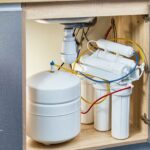
RO: RO is a process that filters out pollutants from water through semi-permeable membrane.
Distillation: Boil water until it is steamy, then boil the steam back into water and dispose of the pollutants.
Ion exchange: Exchanges Barium ions in water for less destructive ones such as sodium.
Each technique has its pros and cons but all can help to lower Barium levels. Reverse Osmosis and distillation can clean a host of other contaminants too, whereas ion exchange does particularly well for hard water.
Prevention and Advocacy
If residents don’t want Barium to get into the future, then they can lobby for legislation to regulate industrial discharges of Barium into the air, and for periodic improvements to the city’s water infrastructure. A simple water test at home and the proper filtration system will protect you from the exposure to Barium.
Barium in NYC’s water supply is something we must always keep a close eye on and do something about. As long as they know, monitor, and do what they can, residents can make sure that their water is safe, clean, and free of toxic Barium.
Conclusion
Barium is not a widespread issue, but it’s a big issue for the City of New York. Even in water used in the drinking-water supply — either by natural leaching or by industry — it can have a long-term detrimental impact on health, particularly for populations at high risk. The city’s Department of Environmental Protection (DEP) test regularly to determine Barium levels to ensure they are within state and federal regulations. Yet even local contamination caused by old infrastructure or individual building plumbing systems can occur.
People need to take their water care seriously, testing it often and purchasing filters when necessary. Prevention also means promoting better water infrastructure and stricter regulations around industrial effluent. NYC can still maintain a clean drinking water status while minimising the potential risks of contaminants such as Barium through diligent testing, treatment, and active policies.
Share this on social media:
Facebook
Twitter
LinkedIn

Related Posts