Eco-Conscious Choices: The Environmental Advantages of Under Sink Water Filters
- Published:
- Updated: December 16, 2024
Listen to this article
Summary
Under sink water filters offer eco-conscious solutions, reducing reliance on single-use plastic bottles and minimizing environmental impact. These filters provide clean water straight from the tap, cutting down on plastic waste and energy consumption associated with bottled water production.
- Environmental impact of bottled water: Bottled water production contributes to landfill waste, ocean pollution, and excessive water usage.
- Under sink water filter operation: Installed directly into water supply lines, these filters use various technologies to remove contaminants, providing clean water without plastic waste.
- Plastic waste reduction: Under sink filters help prevent thousands of plastic bottles from ending up in landfills or oceans annually, with recyclable cartridges further enhancing their eco-friendliness.

We are all forced to make choices that affect the environment, and there are several environmental benefits of under sink water filters. These filters are a long-term way to get clean drinking water without having to use disposable plastic water bottles, adding to the landfill waste and pollution. Putting in under sink water filters allows consumers to contribute towards the elimination of plastics and green living by having access to filtered water, conveniently and for the healthiest reasons.
What is the environmental impact of bottled water?
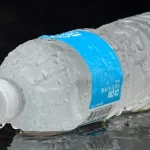
Bottled water is environmentally very bad. From the raw materials extraction required to produce the bottles, to the energy needed to purify and bottle the water, to transporting the bottled water, which is sometimes transported over great distances, the environmental impact is high. What’s more, once a bottle is finished, it usually winds up in a landfill or in the ocean as part of the plastic-pollution problem worldwide.
Moreover, the bottled water itself is produced with a lot of water. One litre of bottled water is probably produced by three litres of water, when you factor in the production process. Evidently, when we buy bottled water, we aren’t just purchasing water but also the water footprint.
How under Sink Water Filters Work

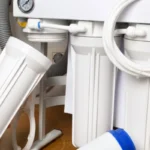
Water filtration under sink is convenient and sustainable as a replacement for bottled water. They plug into your water main and filter your water before you get to your tap. They filter it through different filtration technologies, like activated carbon or reverse osmosis, to remove contaminants like chlorine, heavy metals and bacteria.
The end result is pure and hygienic water that comes from your faucet, without the environmental cost of bottled water. When you have an under sink water filter, you have bottled water but without the plastic waste and energy use.
Reducing Plastic Waste with Under Sink Filters
Amongst the greatest environmental advantages of Under sink water filters is plastic reduction. Think of it this way: if a family of four changed from bottled water to an under sink filter, they could save thousands of plastic bottles from going to landfill or the sea each year.
And unlike plastic bottles that are not recyclable at all, there will be replaceable cartridges available on under sink filters which can be recycled. This is just one more benefit that makes them great environmentally friendly alternatives if you’re trying to reduce your plastic use.
How energy-efficient are under sink filters for water purification?
There are a few energy-efficient benefits of installing under sink water filters, as opposed to other types of water filter or bottle-water supply:
Save on Energy: Under sink filters are point of use, meaning they filter water from the faucet. They work on the water pressure already built into the plumbing infrastructure and don’t require any extra costly pumps or motors. This saves you energy when compared to whole-house filters or massive water treatment plants.
No Bottled Water Production: Under sink filters cut out the need for bottled water which is energy intensive in its lifecycle. Producing and selling bottled water requires a great deal of energy and greenhouse gas emissions in the form of water extraction, processing and shipping, as well as the materials used to make and ship bottled water. With under sink filters, people can obtain filter water from the tap without the need for energy-consuming production of bottled water.
— Minimal waste production: Filters under the sink typically use cartridges that are disposable. These cartridges have to be replaced periodically, but are much less wasteful than disposable bottled water bottles. Putting out used filter cartridges and recycling them properly also helps reduce the amount of carbon emissions from disposal.
Optimal Water Use: Under sink filters filter on demand so only the water required is filtered. This saves water without extra filtration and reduces energy costs of treating and dispersing more water.
Longer Filter Life: There are under sink filters that use filtration systems with high lifespans (activated carbon, ceramic, etc.) This means fewer replacement filters, less waste and less energy for manufacturing and transportation.
Less Carbon Footprint: By eliminating the need for bottled water and requiring as little energy to treat the water, under sink filters are carbon-reducing. They eliminate the greenhouse gases associated with bottled water manufacturing, transportation, and disposal for a more sustainable and green source of filtered water.
You need to know that under sink filters aren’t always energy efficient due to different models and filtration technologies. When you buy energy efficient certified filters and choose products that have a longer filter cartridge life, under sink filters can be even more energy efficient.
Longevity and Maintenance of Under Sink Filters
Under sink filters are not only eco-friendly but last a long time. The average under sink filter only needs cartridges changed every six months to a year, depending on use and water condition. That longevity reduces the environmental damage of constant filter replacement.
And cleaning an under sink filter is fairly straightforward without needing the use of toxic chemicals. This makes under sink filters a responsible decision and also sustainable to our planet.
Quality of Filtered Water vs. Bottled Water
Bottled water is promoted as being better than tap water, but the truth is that under sink filter water can be equally as good if not better. Most under sink filters will filter most anything you want to be sure you get clean, safe, and good water.
And the water in an under sink filter never runs out of freshness, whereas bottled water can sit on warehouses or shelves for months. And so not only are under sink filters environmentally friendly, they also deliver high-quality water that is just as good, or better, than bottled water.
Cost-Effectiveness and Environmental Impact
You don’t have to save the world, you can save your wallet when you buy an under sink water filter. The price you pay upfront for buying and setting up the filter isn’t as high, but you will pay less each year than you do every time you buy bottled water.
Under sink filters will save you lots of money over the long-term, so it is worth the money. Also, if you don’t need to use as much bottled water, you’re doing your part for the planet (win-win!).
Encouraging Sustainable Living with Under Sink Filters
It’s a simple way to start living more sustainably by switching to an under sink water filter. As part of other eco-friendly steps such as conserving energy, recycling, and composting, by installing an under sink filter, you’ll contribute to a cleaner planet.
And there’s nothing we can forget that every little step adds up in the long term. When you choose an under sink water filter, you’re not only getting a better water and drinking water but also doing something good for the environment in a big way.
Share this on social media:
Facebook
Twitter
LinkedIn