
Why Does Reverse Osmosis Remove Minerals?
- Published:
- Updated: February 17, 2025
Listen to this article
Summary
Reverse osmosis removes minerals from water due to its semi-permeable membrane, which blocks larger particles, including beneficial minerals like calcium and magnesium. This process ensures purified water, but remineralization options are available for those seeking essential minerals.
- Reverse osmosis works by forcing water through a semi-permeable membrane, which rejects larger particles like minerals.
- The membrane’s small pore size and electrostatic interactions block mineral ions, resulting in demineralized water.
- Remineralization systems can add essential minerals back to purified water, improving taste and maintaining health benefits.

To comprehend why reverse osmosis removes minerals, we must first understand the underlying mechanism of this purification method. Reverse osmosis operates on the principle of osmosis, which involves the movement of water molecules through a semi-permeable membrane from a region of lower solute concentration to a region of higher solute concentration. In reverse osmosis, this natural process is counteracted by applying pressure, forcing water from a region of higher solute concentration through the semi-permeable membrane to a region of lower solute concentration. As the water passes through the semi-permeable membrane, larger molecules and impurities, including dissolved minerals, are effectively filtered out and left behind. This filtration process is crucial not only for producing clean water but also for understanding pH levels in water, as the removal of certain minerals can impact its acidity or alkalinity. Therefore, the interplay between reverse osmosis and mineral content not only shapes the quality of drinking water but also influences its overall chemical balance.
This semi-permeable membrane is crucial to the process, as it is designed to allow only water molecules to pass through while rejecting larger molecules and ions, including salts and other dissolved minerals. Consequently, the water that emerges from the reverse osmosis process is devoid of most minerals and impurities, resulting in what is often termed as "demineralized" or "purified" water. The effectiveness of this membrane in blocking particles is a testament to its precision, ensuring that only the purest form of water exits the system.
In addition to providing clean water, the reverse osmosis process also reduces the concentration of potentially harmful substances such as lead, fluoride, and chlorine. This purification technique is invaluable in areas where water sources may be contaminated with industrial pollutants or agricultural runoff. Moreover, reverse osmosis systems can be tailored to meet specific needs, from small-scale residential units to large industrial applications, demonstrating their versatility and wide-ranging applicability.
Why Does Reverse Osmosis Remove Minerals?
The removal of minerals by reverse osmosis is largely a byproduct of its primary function: to eliminate contaminants and impurities from water. Minerals, though beneficial in certain contexts, are chemically identical to many contaminants that RO systems aim to remove. As the semi-permeable membrane cannot differentiate between harmful contaminants and beneficial minerals, both are removed during the purification process.
The Role of Molecular Size and Charge
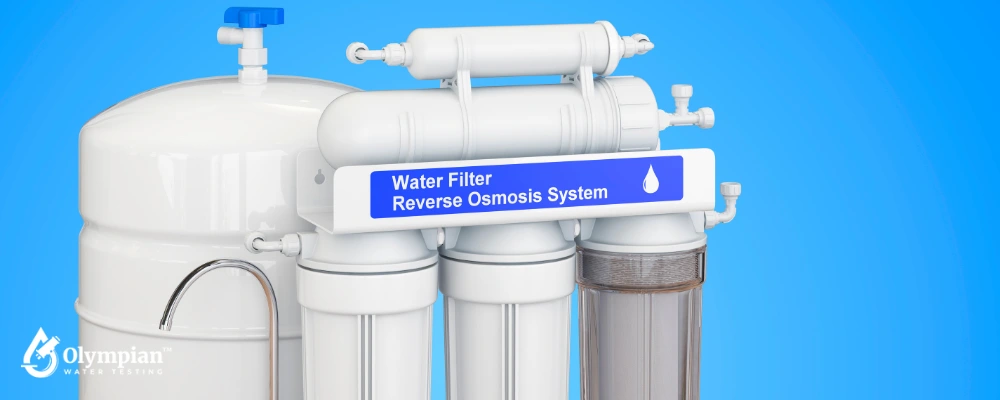
The effectiveness of reverse osmosis in removing minerals is attributed to the molecular size and charge of the particles. Minerals present in water, such as calcium and magnesium, exist in ionic form, which means they are charged particles. The semi-permeable membrane used in reverse osmosis is designed to reject these charged particles, allowing only neutral water molecules to pass through.
Moreover, the pore size of the RO membrane is typically around 0.0001 microns, which is significantly smaller than the size of dissolved mineral ions. This small pore size is effective in filtering out even the smallest ions, including those of beneficial minerals, thus resulting in demineralized water. The advanced design of the membrane ensures that virtually no ionic particles can pass through, maintaining the integrity of the purification process.
The charged nature of mineral ions presents an additional challenge in the separation process. The electrostatic interactions between the ions and the membrane further enhance the membrane’s ability to block these particles. This meticulous attention to molecular details is what makes reverse osmosis a highly reliable purification method, capable of consistently delivering high-quality water free from both contaminants and beneficial minerals.
Implications of Mineral Removal
The removal of minerals from drinking water has sparked debate among health experts, as minerals such as calcium and magnesium are essential for human health. However, it is important to note that water is not the primary source of these minerals for most individuals; rather, a balanced diet provides the necessary intake. Nutritionists emphasize that a varied diet rich in fruits, vegetables, and dairy products can adequately supply these essential minerals.
That said, the demineralization of water can have implications for taste and potential health effects, particularly for individuals who rely heavily on water as a mineral source. Therefore, some systems incorporate remineralization processes to reintroduce essential minerals back into the water after purification. This approach aims to balance the benefits of purified water with the need for mineral intake, ensuring that consumers do not miss out on important nutrients.
The taste of demineralized water often lacks the familiar mineral flavor that many people associate with natural spring water. This can be a significant consideration for those who are sensitive to the taste of their drinking water. Additionally, there are concerns about the long-term consumption of demineralized water, though scientific consensus suggests that the impact is minimal if dietary mineral intake is sufficient. Nevertheless, remineralization serves as a practical solution for individuals seeking both purity and taste.
RO Remineralization: Adding Back the Essentials
Given the potential drawbacks of consuming demineralized water, many reverse osmosis systems now include a remineralization stage. This involves adding essential minerals back into the purified water, enhancing both its taste and nutritional profile. This step is crucial for those who prefer the taste of mineral-rich water or are concerned about meeting their daily mineral requirements through diet alone.
How Remineralization Works
Remineralization can be achieved through various methods, one of which involves the use of a post-filter cartridge containing natural minerals. As the purified water passes through this cartridge, minerals such as calcium and magnesium are gradually dissolved and reintroduced into the water. This process not only improves the taste but also helps restore the natural balance of minerals, creating water that closely resembles its natural state before purification.
Another approach involves blending a small percentage of untreated water with the purified water to achieve a desired mineral content. This method, however, requires careful monitoring to ensure that the blend remains free of contaminants. By maintaining stringent quality control measures, this technique can effectively enhance the mineral content of the water without compromising its safety.
Incorporating remineralization into RO systems can also involve the use of specialized mineral stones or filters that slowly release minerals over time. These innovative solutions provide a more continuous and controlled method of remineralization, ensuring that the water retains its enhanced qualities throughout its use. By embracing these technologies, water purification systems can offer a comprehensive approach that satisfies both health and taste preferences.
Benefits of Remineralized Water
Remineralized water offers several benefits, including improved taste and potential health advantages. The presence of minerals such as calcium and magnesium can enhance the flavor profile of water, making it more palatable for consumers. Additionally, these minerals contribute to various physiological functions, including bone health and cardiovascular health. Regular consumption of remineralized water can support these bodily functions, complementing a healthy lifestyle.
Moreover, remineralized water can play a role in maintaining optimal hydration levels, as the presence of minerals can facilitate better absorption of water by the body. This is particularly important for athletes and individuals who engage in strenuous physical activities, as they require efficient hydration to perform at their best. By choosing remineralized water, consumers can enjoy the benefits of both purified water and essential minerals, achieving a well-rounded hydration strategy.
Remineralization also addresses potential concerns about the long-term consumption of demineralized water. By ensuring that essential minerals are present, consumers can feel confident that their water is not only safe but also nutritionally beneficial. This balanced approach is increasingly being adopted by water purification companies, reflecting a growing awareness of the importance of both purity and nutrient content in drinking water.
Water Purification Methods: A Comparative Analysis
While reverse osmosis is a highly effective method for water purification, it is not the only option available. Understanding the strengths and limitations of various methods can help individuals choose the most suitable system for their needs. By comparing different purification technologies, consumers can make informed decisions that align with their specific water quality concerns and lifestyle preferences.
Reverse Osmosis vs. Other Methods
- Distillation: Distillation, like reverse osmosis, removes most contaminants and minerals by boiling water and condensing the steam. However, it is energy-intensive and may not be suitable for large-scale applications. Despite its effectiveness, the high energy consumption makes it a less environmentally friendly option, particularly in areas with limited energy resources.
- Ultrafiltration: This method uses a membrane with larger pores than RO, allowing some minerals to remain in the water. However, it may not remove all contaminants as effectively as reverse osmosis. Ultrafiltration systems are often preferred for applications where preserving mineral content is important, but they may require additional filtration steps to achieve the same level of purity as RO.
- Activated Carbon Filtration: This method effectively removes organic compounds and chlorine but is less effective in removing dissolved minerals and salts. Activated carbon filters are commonly used as a preliminary step in water purification systems, complementing other methods like RO to target specific contaminants.
Each method has its own advantages and disadvantages, and the choice largely depends on the specific water quality concerns and individual preferences. Factors such as cost, energy consumption, and the type of contaminants present in the water source can all influence the selection of a purification system. By carefully evaluating these factors, consumers can find a solution that best meets their needs while ensuring access to clean, safe drinking water.
Conclusion
Reverse osmosis is a powerful water purification technology that effectively removes a wide range of contaminants, including minerals. While the removal of beneficial minerals may raise concerns, the process ensures the delivery of clean, safe drinking water. Remineralization options are available for those seeking to restore essential minerals, offering a balanced approach to water purification. These options enable consumers to tailor their water to meet both health and taste preferences, ensuring satisfaction and well-being.
As with any water treatment method, understanding the process and its implications can empower individuals to make informed decisions about their water quality needs. Whether for residential, commercial, or industrial use, reverse osmosis remains a cornerstone in the quest for pure, high-quality water. By staying informed about the latest advancements in water purification technology, consumers can continue to enjoy the benefits of clean, safe drinking water while adapting to their evolving lifestyle and health requirements.
Share this on social media:
Facebook
Twitter
LinkedIn

Related Posts