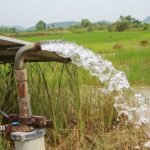
Strategies for Optimal Water Resource Management in River Basins
- Published:
- Updated: December 14, 2024
Listen to this article
Summary
Effective water resource management in river basins is crucial amid growing demands and climate challenges.
- Maintaining water availability is vital to prevent scarcity and degradation.
- Strategies like integrated management and flood prevention are essential.
- Stakeholder involvement, technology utilization, and education are key for sustainable management.

We need to use water resources well in order to keep up with populations, economic growth and climate change. River basins as systems need multi-level approaches to the optimal distribution, use and reuse of water. Through such practices, water depletion, pollution and healthy ecosystems can be avoided.
What is Water Resource Management in River Basins?
River basin water management is the administration of a river basin water body in such a way that it’s managed sustainably and doesn’t become degraded due to over-extraction. This includes water allocation, water quality control, and flood control.
The health of the Earth and the wellbeing of millions depends on the management of water in river basins. Basins carry water for drinking, irrigation and industry, but also for vital ecosystems and many other ecosystem services.
Why is Water Resource Management in River Basins Important?

Water resource management in river basins is important for several reasons, including:
- Maintaining water availability: River basins provide water to millions of people and support important ecosystems. Effective water resource management in river basins is essential for maintaining water availability and preventing over-extraction and degradation.
- Ensuring water quality: River basins are also important for ensuring water quality, as they can be impacted by pollution from various sources, including agriculture, industry, and sewage. Effective water resource management in river basins is essential for ensuring water quality and preventing water pollution.
- Preventing floods: River basins can also be prone to flooding, which can cause significant damage to infrastructure, homes, and ecosystems. Effective water resource management in river basins is essential for preventing floods and managing their impacts.
Strategies for Optimal Water Management in River Basins
There are several strategies that can be employed to achieve optimal water resource management in river basins, including:
- Integrated water resources management (IWRM): IWRM is a comprehensive approach to water resource management that considers all aspects of water management, including water allocation, water quality management, and flood management.
- Water allocation: Water allocation is the process of determining how much water should be allocated to different uses, such as drinking water, irrigation, and industrial uses. Effective water allocation is essential for ensuring sustainable water use and preventing over-extraction and degradation.
- Water quality management: Water quality management is the process of maintaining and improving water quality, including the management of pollutants and other contaminants. Effective water quality management is essential for ensuring water quality and preventing water pollution.
- Flood management: Flood management is the process of preventing and managing floods, including the development of flood protection measures and the management of flood impacts. Effective flood management is essential for preventing floods and managing their impacts.
The Importance of Stakeholder Involvement in Water Resource Management in River Basins
Stakeholder involvement is crucial in water resource management in river basins, as it helps to ensure that the needs and concerns of all stakeholders are taken into consideration. Stakeholders can include local communities, government agencies, non-government organizations, and businesses.
Stakeholder involvement can help to ensure that water resource management in river basins is sustainable and effective, as it can help to identify and address the needs and concerns of all stakeholders. Stakeholder involvement can also help to build support for water resource management initiatives, and can increase public trust in the management of water resources.
The Role of Technology in Water Resource Management in River Basins
Technology plays a critical role in water resource management in river basins, as it can help to improve the efficiency and effectiveness of water management strategies. There are several technologies available that can help with water resource management in river basins, including:
- Remote sensing: Remote sensing technology can help to monitor water resources in river basins, providing valuable information about water availability, water quality, and flood risk.
- Geographic Information Systems (GIS): GIS technology can help to map and analyze water resources in river basins, providing valuable information for water resource management and planning.
- Water management software: Water management software can help to manage water resources in river basins, including water allocation, water quality management, and flood management.
By leveraging technology, water resource management in river basins can be improved, and more sustainable and effective water management strategies can be developed.
The Role of Education and Awareness in Water Resource Management in River Basins
The management of river basins also needs education and awareness. Ensure that people are aware of the value of water resource management, and how to use strategies and technologies to better manage water resources so that they will understand and vote for water resource management projects.
Water resource management issues and possibilities in river basins can be better communicated through awareness campaigns and education initiatives. When people know that water is important and there are actions that we can take to better manage water, we can build public support for water resource management projects and make them successful.
The Future of Water Resource Management in River Basins
Basin water management will be a critical concern long into the future as population and climate change demand ever greater water supplies from us. Water resources in river basins will require continuing good water resource management practice to be sustainable.
Managing water resources in river basins will be increasingly integrated and integrated, new technologies and innovative solutions will be more prominent in the future. We can all collaborate and harness new technologies to make sure water in river basins are being managed sustainably and efficiently for people and the environment.
Share this on social media:
Facebook
Twitter
LinkedIn

Related Posts