What Manhattan Residents Should Know About Benzene in Their Water
- Published:
- Updated: January 20, 2025
Listen to this article
Summary
Benzene in Manhattan’s water is a serious health risk, requiring vigilance and proactive measures.
- Sources include industrial discharge and aging infrastructure.
- Health impacts range from headaches to leukemia.
- Testing and filtration are crucial for safety.
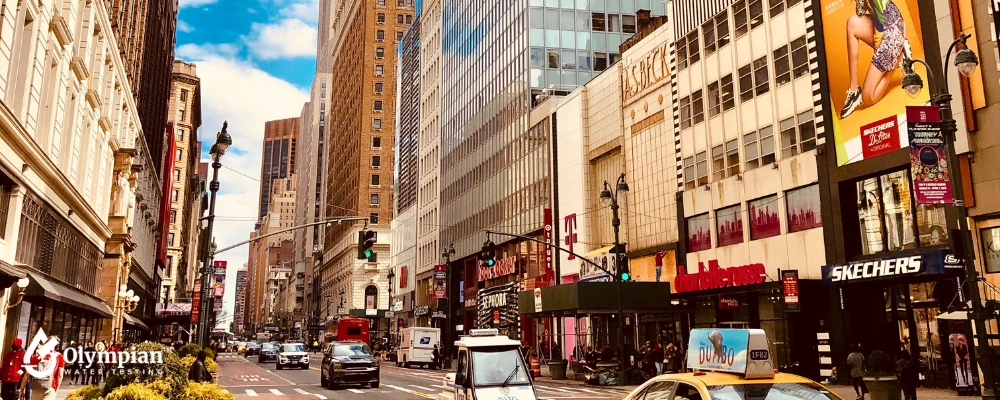
Clean water is not a luxury, but the foundation of a well-lived life. And Manhattan residents, sadly, don’t always see the sneaking presence of a killer lurking in their water supply: benzene. This toxic chemical has been detected in waterways throughout the country, and in big cities such as Manhattan no less.
The Science of Benzene: What Exactly Is It?
Benzene is an uncoloured, combustible, naughty liquid. It’s a hydrocarbon, six carbon atoms in a ring with one hydrogen atom at each carbon. Benzene is a natural gas, but it is also an industrial compound that makes plastics, resins, synthetic fibres, rubber, dyes, detergents and pharmaceuticals.
The benzene is a natural compound, but because of its industrial use, it’s an enormous pollutant. It appears as car emissions, industrial effluent, cigarette smoke and even in the smoke from forest fires. Because it’s part of every day life, knowing what it does to water quality is essential to public health.
How Does Benzene Get Into Our Water?

It is not just through these mechanisms that benzene can get into water supplies. Most prevalent is industrial effluent, which can be leached down to groundwater or dumped into rivers and lakes directly. : When factories which make their products using benzene, do not properly disinfect their effluent, this threatens water supplies.
The second is old or cracked infrastructure. When old, corroded pipes leak benzene into the water system, make sure they are not close to industrial facilities or benzene storage tanks in the ground. The result, then, is that industrialization and a lack of infrastructure together provide a toxic environment for water quality.
The Legal Limits: What the Government Says is "Safe"
The optimum level for benzene in drinking water is 5 parts per billion (ppb) by federal standards. But some states are even more draconian, seeking to cut down the allowable limit to 1ppb. It shows how worried regulators are about benzene pollution.
The rub, however, comes when you juxtapose these levels with scientific studies that show harmful health effects even at these levels. This disparity raises the question of whether existing regulations are sufficient and should be continued to be researched and possibly modified in order to safeguard public safety.
The Health Implications: Don't Take It Lightly
Inhalation of benzene in small quantities can lead to headaches, dizziness and itching. But such flashpoints do not always capture the full picture of the risk, because they can be easily dismissed or explained away.
Exposure over the long term is much more concerning. Benzene is a Group 1 carcinogen, which means that it is linked to leukemia and other blood cancers, according to the International Agency for Research on Cancer. Furthermore, benzene is also known to cause immune system damage and even fertility issues, so it is one chemical you should not be pouring into your water.
Measuring Benzene Levels in Your Water
The first step in safeguarding against benzene is to test your water. While several DIY kits are available on the market, their reliability varies, and they may not provide a comprehensive understanding of benzene levels. It’s often advisable to confirm results with professional testing services.
When it comes to professional testing:
- Costs can range, but expect to pay between $150-$300 for comprehensive water quality testing.
- Turnaround times can vary but are generally between 7-10 business days.
- Make sure the lab is accredited, as this ensures a higher level of accuracy in the results.
Effective Ways to Filter Out Benzene
For those looking to filter out benzene from their tap water, a carbon-activated filter is the most popular and accessible choice. These filters are generally easy to install and effective at removing a range of contaminants, including benzene.
Alternatively, reverse osmosis systems offer a more thorough filtration process. Although more expensive and requiring professional installation, they can remove up to 99% of benzene and other harmful contaminants, giving you the peace of mind that comes with knowing your water is safe.
Community Action: Protecting the Water Supply for All
Making water safe is not just the job of a single person, it’s the job of an entire society. Small groups have managed to fight benzene regulation, usually through petitions and public education campaigns.
Pushing for stricter enforcement and regulations can make the world a safer place. : Write to city and state officials, join environmental organizations, or go to local community meetings to talk about how we can all help.
What To Do if You've Been Exposed
The first thing you need to do if you find high levels of benzene in your water is call your local health department. They will advise you on how to avoid any further exposure, from bringing bottled water to possibly leaving the room for a short period of time.
If you have been repeatedly exposed, legal counsel can be your next step. Thousands of cases have ended with settlements or verdicts awarding victims damages for medical bills, injuries and pain.
Recognizing and Addressing Infrastructure Issues
Ageing infrastructure is one of the leading causes of benzene in Manhattan’s water. Broken pipes at factory sites or buried subsurface tanks can leach benzene into the water. Addressing this issue involves:
De-lease and check old pipes on a regular basis.
Strong monitoring systems to catch the earliest signs of contamination.
Taking steps to repair or replace broken infrastructure in time so it doesn’t get polluted.
Conclusion: Benzene in Manhattan's Drinking Water
Bottom line: Manhattan’s drinking water is contaminated with benzene and thus dangerous to health. Residents need to know where it comes from, what the health consequences are and how to minimise exposure. With measures such as routine water testing, filtering systems, and lobbies for better infrastructure and laws, the whole community can come together to make sure that we all have safe, cleaner water.
Share this on social media:
Facebook
Twitter
LinkedIn

Related Posts