Sustaining the Environment through Spring Water and Sustainable Water Sources
- Published:
- Updated: December 16, 2024
Listen to this article
Summary
Transitioning to sustainable water sources like spring water is crucial for environmental preservation:
- Spring water offers a naturally filtered, chemical-free alternative, reducing harm to ecosystems.
- Bottled water production and transportation contribute to plastic waste and carbon emissions.
- Protecting and conserving spring water sources, along with rainwater harvesting, helps mitigate water scarcity and promotes environmental sustainability.

The environment and ecosystems are maintained with water, it is an indispensable resource. The old practices of water extraction and purification have been environmental degradation and have eroded natural water supplies. And to solve this, we need ever more sustainable water sources like spring water that are not only healthy but also a pure natural water source. If we all take the step towards sustainable water, we’ll save the planet and keep it clean for generations to come.
The Benefits of Drinking Spring Water and its Positive Impact on the Environment
Spring water is sustainable and natural water that is many benefits over other types of water. Spring water is gently filtered and filtered as it enters the ground and comes from there, which makes it extremely good and clean. Moreover, spring water doesn’t contain the chemicals and impurities of tap water and bottled water.
Spring water is another eco-friendly beverage you can have. We draw spring water from nature preserves and usually bottie it right on the spot, meaning no trips back to the source and no carbon emissions. Aside from that, most spring water manufacturers use environmentally friendly packaging like glass bottles which can easily be recycled and are less harmful to the environment.
What are the differences between spring water and other water sources?
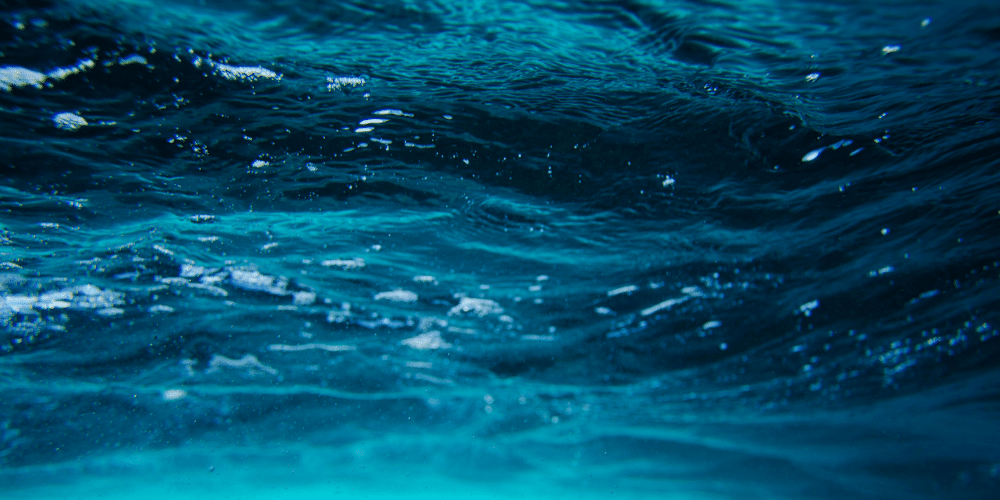
Spring water and other water sources differ in several ways, including the source of the water, the way it is collected and treated, and the minerals and other substances it contains.
- Source of water: Spring water comes from underground sources, such as aquifers or springs, while other water sources can come from lakes, rivers, or wells.
- Collection and treatment: Spring water is typically collected at the source and may undergo minimal treatment, such as filtering or ozonation, to remove impurities. Other water sources, such as municipal water supplies, may undergo more extensive treatment, including filtration, chlorination, and other chemical treatments.
- Mineral content: Spring water can contain a unique blend of minerals, including calcium, magnesium, and potassium, that are naturally occurring and are beneficial to health. Other water sources may contain different levels of minerals, depending on the source and the treatment process.
- Purity: Spring water is often considered to be purer than other water sources, as it is protected from surface pollution and is typically collected and treated in a more natural way. However, the purity of spring water can vary depending on the source and the surrounding environment.
- Taste: Spring water can have a distinctive, refreshing taste due to its natural mineral content, while other water sources may have a different taste, depending on the treatment process and the presence of minerals and other substances.
In summary, spring water and other water sources differ in terms of their source, collection and treatment, mineral content, purity, and taste. When choosing a water source, it’s important to consider your personal preferences and any specific health needs, as well as the quality and safety of the water.
The Impact of Bottled Water on the Environment
Bottling water is a huge environmental footprint when made and transported. And plastic, with its centuries of degradation in bottles and end up in landfills or seas where wildlife and the planet are harmed, is a big problem.
Also, the transport of bottled water creates carbon emissions which lead to climate change. Bottled water production and transportation use also enormous amounts of energy that can be very detrimental to the environment.
The Importance of Protecting and Conserving Spring Water Sources
Spring water is one such resource that is highly limited and therefore must be preserved and managed for posterity. Spring water comes from the natural areas where it is free from contamination and overuse. But not even these sources are spared from human-caused and climatic disruptions.
We should preserve and protect spring water sources by being less invasive to the environment and embracing sustainable development. They can be through water recycling, water use reduction, and government and private advocacy for spring water protection and conservation.
The Role of Government and Businesses in Promoting Sustainable Water Sources
It is the responsibility of governments and companies to make water resources more sustainable and less polluting. The government can have policies and regulations to secure the waters, and ensure water conservation and reuse, etc.
It’s not just consumers who can help, either — they can support sustainable water and packaging, and they can offset their ecological footprint through energy-savings and reduction of carbon emissions. Businesses can also help ensure the protection and conservation of spring water by funding and supporting environmental activities.
The Benefits of Using Sustainable Water Sources, such as Rainwater Harvesting
There can be many upsides to sustainable water sources like rainwater collection for homes and farms. The households and farmers who harvest and store rainwater will be able to lessen their use of treated water and impact on the environment.
It is easy and inexpensive to harvest rainwater to source sustainable water for irrigation, flushing the toilet, and even laundry. Furthermore, rainwater naturally does not contain chemicals or other pollutants found in regular tap water, which provides a clean water for homes and crops.
The Importance of Reducing Water Waste and Promoting Water Conservation
Water saving and water conserving is the foundation for maintaining a healthy environment. In making water consumption more sustainable, we will not be polluting the environment or depleting the resources of the future.
There are many easy things that homeowners and business can do to save water: Repair leaks, install low-flow showerheads and toilets, and utilize drought-tolerant plants in the yard. Furthermore, companies can also use water efficiencies like water-saving technologies and decrease water consumption in the production processes.
The Impact of Climate Change on Water Sources and Preparing for Future Water Scarcity
Climate change is affecting water, scarcity of water is increasing, water quality is degrading. Water scarcity is being disrupted by warmer temperatures and unpredictable rainfall cycles, so if we’re to keep our water we need to source it sustainably and reduce our environmental footprint.
There are multiple ways to prepare for water shortages in the future — by recycling water, conserving water and getting sustainable water. Also, there should be measures to counteract climate change – like reducing greenhouse gas emissions, preserving and preserving water sources.
Share this on social media:
Facebook
Twitter
LinkedIn

Related Posts