What You Need to Know About Pond Water Treatment
- Published:
- Updated: December 24, 2024
Listen to this article
Summary
Pond water treatment is essential for maintaining a healthy ecosystem and preventing issues such as algae blooms and contamination. This guide covers various filtration systems—mechanical, biological, and chemical—and natural methods like aeration, oxygenation, and introducing aquatic plants. It also emphasizes the importance of regular testing, maintenance, and customized treatment solutions for long-term pond health.
Key Points:
- Pond filtration systems (mechanical, biological, and chemical) work together to remove debris, break down waste, and improve water quality.
- Natural methods like aeration, aquatic plants, and beneficial organisms can support a healthy pond ecosystem.
- Regular maintenance, water testing, and customized treatment plans are essential for addressing specific water quality issues and ensuring sustainable pond management.

Pond water treatment is a crucial aspect of maintaining a healthy and aesthetically pleasing pond. It plays a significant role in preserving the ecological balance and preventing the spread of diseases.
However, pond owners often face water quality issues. These can range from algae growth and turbidity to contamination.
Understanding the various pond filtration systems available can help address these issues. These systems include mechanical, biological, and chemical filtration methods. Each has its unique role and benefits in maintaining water quality.
In addition, there are various water treatment solutions that can cater to specific needs. These solutions can be tailored to the size, depth, and location of your pond.
This guide aims to provide valuable information on pond water treatment. It will help you understand how to effectively maintain or improve the quality of your pond water.
Whether you’re a pond owner, environmental manager, or homeowner with a water feature, this guide is for you.
Understanding Pond Water Quality Issues
Pond water quality is vital for a pond’s health. Poor water quality can lead to many problems, both aesthetic and ecological.
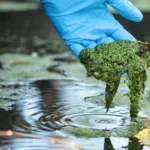
Algae growth is a common issue that disrupts the balance in ponds. Algae can multiply rapidly, leading to unsightly blooms.
Turbidity, or cloudiness, also affects ponds. It is caused by suspended particles and can hinder light penetration, impacting plant and fish health.
Contaminants like runoff pesticides or fertilizers worsen water quality. These pollutants can harm fish and other aquatic organisms. Monitoring water quality helps identify and address these problems quickly.
It is essential to understand the unique conditions of your pond. This knowledge assists in identifying the most suitable water treatment solutions. Regular maintenance and testing are critical to preventing these issues from worsening.
The Role of Pond Filtration Systems

Pond filtration systems are crucial for maintaining clear and healthy water. They work by removing impurities and debris. These systems are the backbone of pond water treatment solutions.
There are three main types of filtration systems: mechanical, biological, and chemical. Each type plays a specific role in water purification. Combining them often yields the best results.
Mechanical filtration removes solid debris. This includes leaves, dirt, and other floating matter. It is the first line of defense for many ponds.
Biological filtration uses beneficial bacteria. These bacteria break down organic waste, like fish excrement. This process helps in maintaining a balanced ecosystem.
Chemical filtration targets dissolved impurities. It adjusts the water chemistry to optimal levels. Together, these systems create a comprehensive pond filtration strategy.
Mechanical Filtration Explained
Mechanical filtration is simple but effective. It involves using a screen or filter. These capture debris and prevent it from polluting the water.
The primary purpose is to clean large particles. By removing these, the filter helps reduce turbidity and algae blooms.
Regular cleaning of mechanical filters is necessary. Clean filters maintain efficiency and prevent clogging. This type of filtration is essential for any pond.
Biological Filtration Benefits
Biological filtration adds a living component to treatment systems. Beneficial bacteria break down ammonia and nitrites. These compounds are harmful waste byproducts.
The bacteria convert these into less harmful substances, enhancing water quality. This natural process supports fish and plant health.
Properly set up biological filters encourage a stable pond ecosystem. They need a surface for bacteria to colonize. Rock beds or specially designed media can serve this purpose.
Chemical Filtration and Water Chemistry
Chemical filtration tackles dissolved elements. It uses materials like activated carbon or specific resins. These materials absorb or neutralize unwanted substances.
This filtration type addresses things not captured by mechanical or biological filters. It can also correct pH and remove heavy metals.
Chemical filtration requires careful monitoring. Overuse can disrupt water balance. However, when applied correctly, it contributes significantly to maintaining perfect pond water quality.
Natural Pond Water Treatment Methods
Natural methods can be both effective and environmentally friendly. They rely on enhancing existing pond ecosystems. These methods often involve minimal human intervention.
One approach is the introduction of aquatic plants. Plants like lilies and reeds can absorb excess nutrients. They also provide oxygen, which improves water quality.
Beneficial organisms such as certain types of fish or snails can also aid. They consume algae and keep it in check. This method promotes a balanced and sustainable environment.
Key Natural Methods Include:
- Introducing aquatic plants for nutrient absorption.
- Stocking beneficial organisms to control algae.
- Encouraging biodiversity to maintain balance.
Using these natural methods helps maintain an ecosystem. It reduces reliance on artificial treatments. Embracing these techniques supports ecological harmony while improving water conditions.
Aeration and Oxygenation in Pond Water Treatment
Aeration is vital for maintaining healthy pond environments. It increases oxygen levels, which supports aquatic life and decomposes organic waste efficiently. Proper oxygenation helps prevent unwanted algae blooms and foul odors.
Devices such as fountains and diffusers can circulate water effectively. This circulation enhances gas exchange at the surface. As a result, harmful gases are released, and oxygen replenishment occurs.
These tools also help distribute beneficial bacteria evenly throughout the pond. Regular aeration promotes water clarity and reduces harmful bacteria. Investing in a good aeration system is, therefore, crucial for sustaining a healthy pond ecosystem.
Regular Water Testing and Monitoring
Regular water testing is essential for pond management. It helps identify imbalances in water chemistry, such as pH fluctuations or nutrient overload. Timely detection of these issues can prevent problems like excessive algae growth.
Frequent monitoring provides valuable data on water quality trends. This information supports informed decisions about treatment interventions. Consistent testing also helps comply with regulatory requirements in public or commercial ponds.
Using appropriate test kits ensures accuracy and reliability. These kits typically measure key parameters like ammonia, nitrites, and phosphates. Regular testing and analysis are crucial in maintaining a pond’s health.
Choosing the Right Water Treatment Solutions
Selecting the appropriate water treatment solutions is vital for pond health. The choice must consider pond size, depth, and location. Matching these factors with a suitable treatment ensures effectiveness.
Different treatment solutions address specific water quality issues. For instance, addressing high nutrient levels may require chemical or biological solutions. Understanding the problem helps in selecting the best remedy.
Budget and maintenance requirements also influence the choice of treatment. Some solutions may involve higher initial investment but lower ongoing costs. Long-term efficiency should guide decision-making.
Consulting with water quality experts can offer valuable insights. They help navigate complex treatment options based on current pond conditions. Professional advice can lead to optimal water management outcomes.
Factors Influencing Treatment Choice
Several factors affect the selection of water treatment solutions. One significant factor is the ecological balance within the pond. Maintaining a healthy ecosystem often guides the decision process.
The pond’s intended use also influences treatment. Ponds designed for recreation may require more robust treatment than ornamental ponds. Understanding these factors helps align treatment with objectives.
Customized Treatment Plans
Every pond is unique, requiring tailored water treatment plans. Customized plans address specific challenges each pond faces. This tailored approach enhances pond health and ecosystem balance.
Developing a plan involves evaluating current water quality. Regular assessments help identify necessary changes. A customized plan adapts to evolving conditions for effective long-term management.
Maintenance and Cleaning of Filtration Systems
Regular maintenance of filtration systems is essential for optimal performance. Over time, filters accumulate debris, reducing efficiency. Cleaning them ensures consistent water clarity and quality.
Neglected filtration systems can lead to water quality issues. Scheduled cleaning prevents buildup of waste and contaminants. This proactive approach maintains pond health over time.
Inspecting filtration systems periodically extends their lifespan. Check for worn parts and replace them as needed. Attention to maintenance details protects your investment in pond water treatment.
Addressing Algae: UV Sterilizers and Pond Dyes
Algae can quickly become a nuisance in ponds. Ultraviolet (UV) sterilizers are effective in controlling algae growth. They work by killing free-floating algae cells, keeping the water clear.
Pond dyes offer another solution. They limit light penetration, which algae need to thrive. This method is more of a preventative approach than a curative one.
Combining UV sterilizers with pond dyes maximizes algae control. This duo offers both immediate and long-term treatment effects, creating a balanced pond ecosystem.
The Importance of Pond Design and Construction
Proper pond design is essential for maintaining water quality. A well-designed pond prevents common issues like erosion and nutrient runoff. These factors contribute significantly to water quality degradation.
Construction plays a pivotal role. Correct grading and depth are key for ecological balance. Proper construction ensures natural water flow patterns, which help sustain aquatic life.
Design decisions impact maintenance needs and costs. Thoughtful planning minimizes water quality problems. Integrating design with natural landscapes enhances aesthetic and environmental value.
Conclusion: Holistic Approach to Pond Water Treatment
A comprehensive approach to pond water treatment integrates multiple strategies. Balancing mechanical, biological, and natural methods is crucial for optimal results.
Considering the entire ecosystem ensures sustainable water quality improvements. Proactive management, ongoing monitoring, and adapting to changes are key components for success.
Share this on social media:
Facebook
Twitter
LinkedIn

Related Posts