Revealing the Reality Behind Tap Water Quality and Safety
- Published:
- Updated: January 2, 2025
Listen to this article
Summary
Tap water quality and safety are vital, yet often misunderstood. Understanding its sources, treatment processes, and potential contaminants is key to ensuring access to safe drinking water.
- Tap water is sourced from various places like rivers and aquifers, treated at plants.
- Contaminants such as lead, chlorine, and bacteria can affect tap water.
- Regulations by authorities like the EPA govern tap water quality.

We use tap water almost every day but the truth about whether it is good and safe is buried in rumours. This information on the truth about water quality and contamination is essential for getting everyone access to clean water. If we know where the tap water comes from, how it’s treated and whether or not there are contaminants in it, then we can have a better idea of the quality and safety of our water supply. Knowing the truth about how tap water quality and safety works is an important first step towards public health and getting everyone access to safe and consistent water.
What are the sources of tap water and how is it treated before it is supplied to homes and buildings?
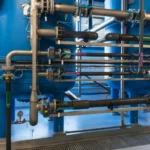
Tap water comes from many places: rivers, lakes, and subsurface aquifers. At a water treatment facility, it goes through a stringent series of treatments to remove contaminants and bring it up to drinking water standards. The first one is straining out big particles and debris, like leaves and twigs. The water is then sanitised with chlorine or ozone, which kills bacteria and other contaminants.
The water may then be treated with other chemicals (fluoride, for example) to make it cleaner and tastier. The water is finally tested to ensure that it is safe to drink before it is sent to homes and businesses.
Even with the treatment, there is always the danger of contamination in the tap water. That’s why you need to know what contaminants are in tap water and what they can do to your health.
The Contaminants that can be Found in Tap Water and their Potential Health Effects

There can be contaminants in your tap water — chemicals, minerals, microorganisms. Lead, chlorine, bacteria and many others are some of the most typical contaminants.
Lead is a toxic metal, and it is very harmful for the health of children. It will flow into the water supply via old pipes and pipes. Chlorine is useful for killing the bacteria in the water, but if you consume too much of it, it is toxic to humans. Including bacteria like E coli and Salmonella, that may lead to fatal diseases if eaten.
Pesticides, herbicides, pharmaceuticals are other contaminants in tap water. They enter the water system as agricultural run-off and sewage from treatment plants.
Understand how these pollutants can be health threatening, and how to minimise your exposure. For instance, a water filtration system can remove scum from your hose.
The Regulations and Standards that Govern Tap Water Quality and Safety
Tap water safety and quality is controlled by the Environmental Protection Agency (EPA) under the Safe Drinking Water Act in the US. The EPA has limits for everything from lead, to chlorine, to bacteria, and requires water utilities to test their water supply every so often to verify they’re up to par.
EPA also mandates that water providers send customers an annual Consumer Confidence Report that describes how good their tap water is, and what contaminants are in it. This report is critical for consumers because they can make the right choices about their tap water.
The Role of Water Utilities and the Government in Ensuring Tap Water Quality and Safety
Water companies are the main sources for sanitary drinking water. They clean the water, check it regularly, and send it to houses and offices. They also have to abide by the regulations of the EPA and do what they can to remove contaminants in the water supply.
So does the government when it comes to maintaining safe, potable tap water. Regulations are developed and enforced by the EPA, and sometimes by state and local government bodies. Then the government provides subsidies and equipment to water companies to enable them to improve the quality and safety of their tap water.
What is the difference between tap water and bottled water in terms of quality and safety?
Tap water and bottled water are two different sources of drinking water, and they can differ in terms of quality and safety. Some of the key differences between tap water and bottled water include:
- Quality: Tap water is regulated by the Environmental Protection Agency (EPA), which sets standards for water quality and safety. Bottled water is regulated by the Food and Drug Administration (FDA), which sets similar standards for water quality and safety. In general, both tap water and bottled water can be safe to drink, but the quality of the water can vary depending on the source and the treatment processes used.
- Safety: Both tap water and bottled water can be safe to drink, but the risk of contamination can vary depending on the source of the water and the treatment processes used. Tap water is generally considered to be safe, but it can be contaminated with pollutants such as lead and bacteria, particularly in older homes with lead pipes. Bottled water is generally considered to be safe, but it can be contaminated with chemicals such as phthalates, which can leach into the water from the plastic bottles.
- Convenience: Tap water is readily available and can be easily accessed through a tap or faucet. Bottled water is more convenient for those who are on-the-go, as it is portable and can be easily carried.
- Cost: Tap water is generally much less expensive than bottled water, as it is readily available and does not require the cost of bottling, packaging, and transportation.
- Environmental impact: Tap water has a lower environmental impact than bottled water, as it does not require the use of resources for bottling and transportation, and it does not generate waste in the form of plastic bottles.
By understanding the differences between tap water and bottled water, individuals can make informed decisions about the water they drink and use in their homes. Both tap water and bottled water can be safe to drink, but the quality and safety of the water can vary depending on the source and the treatment processes used.
The Methods for Testing Tap Water Quality and Safety, Including At-Home Testing Kits
Testing tap water quality and safety comes in a variety of ways, from home testing kits to testing in the lab. Home testing kits are simple and test results come in a matter of minutes. You can use them to test for regular contaminants like lead and chlorine.
But home test kits are not perfect and won’t catch all pollutants. In the interest of full transparency, laboratory analysis is advisable. This test is done by a professional lab, which can give you a comprehensive picture of what’s in the water.
What steps can individuals take to improve the quality of their tap water?
They can take a few measures to have good water from their taps, including:
Confirm your water: Confirm your tap water frequently to see if there are any contaminants present. The home water testing kits are many, and you can find them for testing all kinds of pollutants, such as bacteria, lead, etc.
Install a water filter: If you find that your faucet water has toxins, get a water filter. There are several water filters like activated carbon filters, reverse osmosis systems and more which filter different types of impurities from the water supply.
Plastic water bottles are bad: Plastic water bottles add chemicals to the water and can be a source of environmental pollution. instead get a reusable water bottle and use it for filtering your tap water.
Promote safe water programs: Consider donating to safe water programs that have better water treatment and distribution facilities, or that work to clean up water bodies.
Know your stuff: Know how well your water is from the tap, and where it is contaminated. You can then decide how you want to choose the water you consume and consume in your own home.
In doing so, people can help to maintain the health of their tap water and ensure that they always have access to clean water. This can help maintain their health and sustainable societies.
The Future of Tap Water Quality and Safety, Including New Technologies and Initiatives
It looks promising as more technologies and programs are being created to bring higher quality and safer tap water. Water treatment systems, for instance, are being designed that will sanitise more contaminants from the water supply (through nanofiltration and UV light disinfection).
Furthermore, there are measures like the source water protection programs being done to secure the water supply from pollution in the source. These are programs that will prevent contamination at the source before it reaches the treatment plant so that tap water is of the best quality and safety.
Share this on social media:
Facebook
Twitter
LinkedIn

Related Posts