Industry Insights: The Importance of Water Quality in Textile and Manufacturing
- Published:
- Updated: December 16, 2024
Listen to this article
Summary
Water quality is crucial in textile and manufacturing, affecting product quality and safety. Poor quality can corrode machinery, damage products, and pose health risks, leading to legal issues. Regular testing and adherence to standards are essential, with various treatment techniques available to maintain high standards. Automation and new technologies offer innovative solutions for improved management.

Water is the blood of the textile and manufacturing sectors, but it isn’t any water either. How good the water in these industries is directly impacts product and profitability. From sewage contamination to compromised product quality, the impact of poor water quality is broad and expensive.
Impact of Poor Water Quality on Textile and Manufacturing
Poor water quality can have a significant impact on the textile and manufacturing industries. Here are a few ways in which it can affect these industries:
- Corrosion of machinery: Poor water quality can contain high levels of minerals and impurities that can cause corrosion in the machinery used in textile and manufacturing industries. This corrosion can lead to breakdowns and decreased efficiency, increasing maintenance and repair costs.
- Damage to products: Poor water quality can cause discoloration, fading, and other types of damage to textiles and manufactured products. This can result in a decrease in product quality and customer satisfaction, and increase the cost of producing and repairing defective products.
- Health and safety concerns: Poor water quality can contain harmful pollutants and chemicals that can pose a threat to the health and safety of workers in the textile and manufacturing industries. This can increase the risk of illness and injury, and result in increased healthcare costs and decreased productivity.
- Legal and regulatory issues: Poor water quality can result in non-compliance with environmental regulations and standards, leading to legal and financial penalties for companies in the textile and manufacturing industries.
Therefore, it is important for companies in these industries to ensure that the water they use is of good quality, to avoid these negative impacts and maintain efficient and sustainable operations.
Importance of Measuring Water Quality

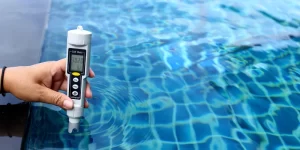
Measuring water quality is a critical aspect of ensuring high water quality standards in the textile and manufacturing industries. There are various types of water quality tests, including tests for pH, total dissolved solids (TDS), and chemical contaminants. Regular monitoring of water quality is essential to identify any potential issues and take corrective action before they become bigger problems.
In addition to identifying potential issues, measuring water quality can also provide valuable insights into the performance of water treatment systems and the overall efficiency of the production process. By regularly monitoring water quality, businesses can make informed decisions about their water treatment systems, reducing the risk of equipment damage and costly downtime.
Water Quality Standards for Textile and Manufacturing Industries
In addition to regular monitoring, adhering to industry-specific regulations and standards is crucial for maintaining high water quality in the textile and manufacturing industries. These regulations and standards help to ensure that water used in production processes is safe and free from harmful substances that can impact the final product.
Non-compliance with water quality standards can result in hefty fines, legal penalties, and damage to the company’s reputation. By adhering to these standards, businesses can demonstrate their commitment to product quality and safety, helping to build customer trust and confidence.
Water Treatment Techniques for Textile and Manufacturing Industries
There are several water treatment techniques commonly used in textile and manufacturing industries, including:
- Physical treatment: This involves physical methods such as sedimentation, filtration, and flocculation to remove impurities from water.
- Chemical treatment: This involves the addition of chemicals such as coagulants, flocculants, and disinfectants to water to remove impurities and kill pathogens.
- Biological treatment: This involves the use of microorganisms to break down organic matter in water and remove impurities.
- Reverse osmosis (RO): This is a membrane filtration process that removes dissolved salts and other impurities from water.
- Ultraviolet (UV) sterilization: This uses UV light to kill pathogens in water and make it safe for use.
- Electro-dialysis (ED): This is a membrane separation technique that removes ions and other impurities from water.
- Distillation: This is a process that involves boiling water to produce steam, which is then condensed to produce purified water.
It is important to note that the specific water treatment technique used will depend on the type and level of impurities present in the water, as well as the intended end-use of the water. It is also important to regularly monitor and adjust the water treatment processes to ensure that the water remains safe and of high quality.
What are the Latest Innovations in Water Quality Management for Textile and Manufacturing?
New technological innovations in water quality monitoring in textile and manufacturing industries were introduced. From automated and digitized water quality control systems to the introduction of new water treatment technologies, companies now have access to the latest technologies to ensure water quality increases with reduced contaminants and machine wear.
Automation and digitization of water quality control systems can monitor and analyze water quality at a real-time basis to know how well the water treatment plants are running and to spot problems before they become a bigger problem. And the automated process is less susceptible to human error and delivers better quality and more consistent outcomes as well.
Along with automation and digitization, the technology of water treatment has also advanced with the creation of new filtration systems and chemical treatments. They will remove more contaminants and deliver better water treatment solutions that ensure high quality water for textile and manufacturing sectors.
Best Practices for Maintaining Water Quality in Textile and Manufacturing
Water Quality: Water Quality is the highest priority of the companies who operate in textile and manufacturing industry. These include regular NYC home water testing and monitoring, use and maintenance of water treatment equipment, and compliance with industry standards and guidelines.
Through advanced water quality management technologies like automation and digitization, businesses can make their water quality management systems more effective and accurate, with less exposure to contamination and equipment breakdown. A regular maintenance and monitoring of water treatment plants also requires to be done to make sure the plant has good water that it uses for production.
Share this on social media:
Facebook
Twitter
LinkedIn

Related Posts