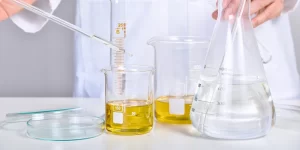

Understanding the Importance of Hydration for Small Pets
Ensuring your small pet has clean, healthy water is vital for their well-being. Animals, like humans, need proper hydration to stay healthy. It’s essential to understand the role of water in the health of chinchillas, gerbils, and ferrets.
Water is critical for your pet’s bodily functions, including digestion, circulation, and temperature regulation. Pets are mostly water, with 60-70% of their body composition being it. Providing them with clean, fresh water is key to preventing health issues and promoting longevity.
The Role of Water in Your Pet’s Health
The quality of water you provide to your small pet significantly impacts their health. Poor water quality can lead to various issues, such as:
- Dry hair and skin
- Excessive itching
- Urinary health problems
- Digestive issues
When it comes to chinchilla water additives, healthy water for gerbils, and proper water for ferrets, each species has specific needs. For instance, chinchillas are prone to dental problems. Providing them with water low in minerals can help prevent tartar buildup on their teeth.
Signs of Dehydration in Small Animals
Recognizing dehydration in your small pet is critical for their well-being. A hydrated animal will typically have:
- A moist nose and paw pads
- Pink gums
- Cool nose and paw pads to the touch
On the other hand, dehydration signs in small animals include:
| Sign | Description |
|---|---|
| Sunken eyes | Eyes appear to be sunken into the skull |
| Dry mouth | Mouth and gums feel dry to the touch |
| Lethargy | Lack of energy and activity |
| Loss of skin elasticity | Skin remains "tented" when pinched |
If you notice any of these signs in your small pet, it’s essential to take action. Ensure they have access to clean, fresh water. By prioritizing hydration and providing the best water for your chinchilla, gerbil, or ferret, you can help them maintain optimal health and happiness.
What is Alkaline Water?
Alkaline water has become popular among pet owners, seen as a possible solution for their small animals’ hydration needs. But what is alkaline water, and how does it differ from regular tap water?
Alkaline water has a higher pH level than reg
Understanding the Importance of Hydration for Small Pets
Ensuring your small pet has clean, healthy water is vital for their well-being. Animals, like humans, need proper hydration to stay healthy. It’s essential to understand the role of water in the health of chinchillas, gerbils, and ferrets.
Water is critical for your pet’s bodily functions, including digestion, circulation, and temperature regulation. Pets are mostly water, with 60-70% of their body composition being it. Providing them with clean, fresh water is key to preventing health issues and promoting longevity.
The Role of Water in Your Pet’s Health
The quality of water you provide to your small pet significantly impacts their health. Poor water quality can lead to various issues, such as:
- Dry hair and skin
- Excessive itching
- Urinary health problems
- Digestive issues
When it comes to chinchilla water additives, healthy water for gerbils, and proper water for ferrets, each species has specific needs. For instance, chinchillas are prone to dental problems. Providing them with water low in minerals can help prevent tartar buildup on their teeth.
Signs of Dehydration in Small Animals
Recognizing dehydration in your small pet is critical for their well-being. A hydrated animal will typically have:
- A moist nose and paw pads
- Pink gums
- Cool nose and paw pads to the touch
On the other hand, dehydration signs in small animals include:
| Sign | Description |
|---|---|
| Sunken eyes | Eyes appear to be sunken into the skull |
| Dry mouth | Mouth and gums feel dry to the touch |
| Lethargy | Lack of energy and activity |
| Loss of skin elasticity | Skin remains "tented" when pinched |
If you notice any of these signs in your small pet, it’s essential to take action. Ensure they have access to clean, fresh water. By prioritizing hydration and providing the best water for your chinchilla, gerbil, or ferret, you can help them maintain optimal health and happiness.
What is Alkaline Water?
Alkaline water has become popular among pet owners, seen as a possible solution for their small animals’ hydration needs. But what is alkaline water, and how does it differ from regular tap water?
Alkaline water has a higher pH level than regular drinking water. Tap water usually has a neutral pH of around 7. Alkaline water, on the other hand, ranges from 8 to 9 on the pH scale. This difference in pH levels is key to understanding alkaline water’s properties and its possible benefits for small pets.

The pH Scale Explained
The pH scale measures a solution’s acidity or alkalinity, ranging from 0 to 14, with 7 being neutral. Solutions with a pH below 7 are acidic, and those above 7 are alkaline or basic. Below is a table showing the pH scale and some common substances:
| pH Level | Substance |
|---|---|
| 0 | Battery Acid |
| 2 | Lemon Juice |
| 4 | Tomatoes |
| 6 | Milk |
| 7 | Pure Water |
| 8 | Baking Soda |
| 10 | Milk of Magnesia |
| 12 | Soapy Water |
| 14 | Liquid Drain Cleaner |
Potential Benefits of Alkaline Water for Pets
Supporters of alkaline water claim it may offer several benefits for small pets, making it a top choice for their hydration. These benefits include:
- Neutralizing acidity in the body
- Promoting better hydration
- Reducing the risk of certain diseases
Yet, the scientific backing for these claims is limited. More research is needed to fully grasp alkaline water’s effects on small animals. While studies in humans and mice show benefits like improved stool quality and reduced aging markers, these results may not apply to small pets like hamsters, gerbils, or guinea pigs.
Before adding alkaline water to your pet’s routine, consult with your veterinarian. Ensure it meets your pet’s health needs and doesn’t conflict with any medical conditions or dietary requirements. By understanding alkaline water’s properties and evaluating its benefits and risks, you can make an informed decision about its suitability for your small pet’s hydration needs.
Alkaline Water for Small Pets
Understanding the impact of alkaline water on small pets is key. Alkaline water, with a pH of 8.0 to 9.0, may benefit humans but can upset the delicate pH balance in pets. Regular water, with a pH of 6.5 to 7.0, is closer to the ideal range for pets like cats, who prefer a pH of 6.0 to 7.0 in their drinking water.
While small variations in pH are generally tolerated, excessive alkalinity can cause digestive upset, electrolyte imbalances, and metabolic disturbances in small pets. It’s important to note that there is no scientific evidence confirming the benefits of alkaline water for pets. Most studies focus on humans, with no specific research on cats.
| Water Type | pH Range | Suitability for Small Pets |
|---|---|---|
| Alkaline Water | 8.0 – 9.0 | Can disrupt pH balance and cause digestive issues |
| Regular Water | 6.5 – 7.0 | Closer to recommended pH range for pets |
| Distilled Water | 5.4 – 5.7 | Too acidic for cats; lacks essential minerals |
| Purified Water | Around 7.0 | Safe option for cats |
Introducing new water types to your pet’s diet should be done gradually and under a veterinarian’s guidance. This is critical for pets with pre-existing health conditions, such as renal problems. Also, avoid giving your pet alkaline water after meals, as it can neutralize stomach acids essential for digestion.
The best way to ensure your small pet stays hydrated is to provide clean, fresh water at all times. Regular water, with a pH close to neutral, is generally the safest choice. If you’re concerned about tap water quality, consider using a pet-specific water filter. This will remove harmful contaminants while preserving essential minerals. By prioritizing your pet’s hydration needs and consulting with your veterinarian, you can help keep your furry friend healthy and happy.
Alkaline Water and Digestive Health in Small Pets
Choosing the right hydration for your small pet is critical. Alkaline water’s effects on their digestive health are a topic of debate. It’s important to understand the science behind it before making any decisions.
The Impact of pH Levels on Digestion
The pH of water significantly affects your pet’s digestion. Alkaline water’s pH ranges from 8 to 10, higher than regular water’s neutral pH of 7. Wine and beer, with a pH of 4.0, are more acidic than alkaline water.
Small pets’ digestive systems work best within a specific pH range. Alkaline water’s higher pH can upset their digestive enzymes and gut flora. This upset may cause various gastrointestinal problems and discomfort for your pet.
Alkaline Water and Gastrointestinal Issues
Alkaline water can lead to immediate gastrointestinal issues in small pets. Pets may experience nausea, vomiting, diarrhea, and abdominal pain. These symptoms occur because alkaline water interferes with their digestive enzymes.
When the pH of pet water changes, it can hinder food breakdown and nutrient absorption. This can lead to nutrient deficiencies, malabsorption, and gastrointestinal discomfort in your pet.
The Role of Alkaline Water in Urinary Health
For small pets, keeping the urinary pH balanced is key. Cats should have a pH between 6.3 and 6.6, while dogs need a pH of 6.5 to 7. This range is neutral or slightly acidic. Any imbalance can cause urinary tract problems, like infections and stone formation.
pH Balance and Urinary Tract Infections
Alkaline water, with a pH over 7, fosters harmful bacteria in the urinary tract. This is a big concern for hamsters and guinea pigs, as their systems are more prone to imbalance. Struvite stones, common in dogs, grow in alkaline conditions and often result from infections.

Alkaline Water and Kidney Function
The kidneys are essential for fluid balance and waste removal. Drinking too much alkaline water can stress them, leading to reduced function and damage. Pets with kidney issues are at higher risk from alkaline water, which can worsen their symptoms.
| Pet | Healthy Urinary pH Range | Potential Issues with Alkaline Water |
|---|---|---|
| Cats | 6.3 to 6.6 | Struvite crystal formation, urinary tract infections |
| Dogs | 6.5 to 7.0 | Struvite stone formation, bacterial infections |
| Hamsters | 6.2 to 6.8 | Kidney strain, dehydration |
| Guinea Pigs | 7.0 to 8.0 | Urinary tract infections, bladder stones |
Ensuring hydration for hamsters and proper guinea pig drinking water is vital. Fresh, clean water with a balanced pH is essential. Watching your pet’s water intake and knowing the risks of alkaline water helps keep their urinary health in check and prevents severe issues.
Alkaline Water and Skin and Coat Health
The quality of water is vital for the health of small pets like chinchillas and gerbils. Alkaline water is often touted as beneficial for their skin and coat. Yet, understanding its benefits and risks is essential for their hydration.
These pets are mostly water, making hydration critical for their health. Alkaline water, with its higher pH, may detoxify and boost energy and mental clarity. It could also reduce body acidity, preventing urinary tract infections in cats.
Despite its benefits, alkaline water can cause sensitivities or allergies in some pets. Minerals like calcium or magnesium in alkaline water can irritate their skin or cause respiratory issues. If your pet reacts negatively, identifying and removing the allergen is key to avoiding further problems.
| Product | Features | Benefits |
|---|---|---|
| 9L Glass Benchtop Alkaline Water Filter |
| Ensures a consistent supply of filtered alkaline water for your small pet |
| 9L Multi-Filter Benchtop Alkaline Water Filter |
| Provides high-quality, safe alkaline water for your small pet’s hydration needs |
Choosing a reputable brand for alkaline water is key. The 9L Glass Benchtop Alkaline Water Filter and the 9L Multi-Filter Benchtop Alkaline Water Filter are top choices. They filter out harmful substances while keeping the water alkaline. These filters ensure your pet gets clean, healthy water, boosting their overall health.
Introducing alkaline water to your pet’s diet should be gradual, like changing their food. This helps their body adjust smoothly. Regular access to alkaline water can improve their coat, energy, and digestion. But, if you notice persistent skin or coat issues, consult your vet to ensure alkaline water is right for your pet.
Choosing the Right Alkaline Water for Your Small Pet
Ensuring your small pet’s health is a top priority, and the right water is key. Alkaline water has become popular for its benefits, but picking the right one can be daunting. We’ll look at important factors to consider for your small animal’s alkaline water needs.
Factors to Consider When Selecting Alkaline Water
When choosing alkaline water, consider these key points:
- pH Level: Alkaline water’s pH is usually 8 to 9, unlike regular water’s 6.5 to 7. While higher pH levels may be beneficial, avoid extremes to keep your pet’s balance.
- Mineral Content: Choose alkaline water with calcium and magnesium for your pet’s health. But, be wary of too much mineral content that could cause imbalances.
- Contaminants: Make sure the alkaline water is free from harmful substances like chemicals, pesticides, heavy metals, and microplastics. Look for brands with strict quality control and testing.
Brands and Products Suitable for Small Animals
Here are some options for alkaline water for your small pet:
- Filtered Alkaline Water: Brands using advanced filtration, like reverse osmosis, are good. They remove impurities while keeping beneficial minerals. These are often tailored for small animals.
- Natural Alkaline Spring Water: Some brands use natural alkaline springs for balanced minerals. But, be cautious of contaminants during bottling.
- Veterinarian-Recommended Brands: Talk to your vet for alkaline water brands that meet your pet’s health needs. They can offer insights based on their experience.
While alkaline water may offer benefits, introduce it slowly and watch your pet’s reaction. If you notice any issues or have health concerns, always consult your vet.
"Providing your small pet with the proper water is an essential aspect of responsible pet ownership. By considering factors such as pH level, mineral content, and contaminants, you can make an informed choice that supports your furry friend’s well-being."
Alkaline water can be a great addition to your pet’s diet for hydration. Choose brands and products made for small animals and free from contaminants to ensure your pet’s health.
How to Introduce Alkaline Water to Your Pet’s Diet
When considering the best water for small pets, it’s essential to understand the benefits and risks of alkaline water. Gradually introducing alkaline water to your pet’s diet is key. This approach helps avoid digestive upset and ensures a smooth transition.
Gradual Transition and Monitoring
Start by mixing small amounts of alkaline water with your pet’s regular water. Gradually increase the alkaline water proportion over time. Keep a close eye on your pet for any signs of digestive distress or adverse reactions during this period. If you notice any concerning symptoms, stop using alkaline water and consult your veterinarian.
It’s important to note the pH levels of regular and alkaline water. Regular water has a neutral pH around 7. Alkaline water, on the other hand, has a pH level between 8 and 10. The pH scale ranges from 0 (highly acidic) to 14 (highly alkaline), with 7 being neutral.
Mixing Alkaline Water with Regular Water
To ensure a smooth transition, consider the following mixing ratios when introducing alkaline water to your pet’s diet:
| Week | Alkaline Water | Regular Water |
|---|---|---|
| 1 | 25% | 75% |
| 2 | 50% | 50% |
| 3 | 75% | 25% |
| 4 | 100% | 0% |
Gradually increasing the alkaline water proportion allows your pet’s body to adapt to the pH change. This method helps minimize digestive issues and ensures a smooth transition to the best water for small pets.
Remember, every pet is unique, and some may be more sensitive to changes in their diet than others. If you have any concerns about introducing alkaline water to your pet’s diet, it’s always best to consult with your veterinarian for personalized advice and guidance. Additionally, it’s important to monitor your pet’s reaction after introducing any new elements to their diet, as some may experience digestive upset or other reactions. As a pet owner, staying informed on topics like dogs and alkaline water safety can help you make the best choices for your furry friends. Always prioritize their health and well-being, and don’t hesitate to reach out to your vet with any questions or concerns.
Potential Risks and Precautions with Alkaline Water
Alkaline water for small pets has become popular for its health benefits. Yet, it’s vital to understand the risks and precautions. Alkaline water has a pH of 8 to 10, higher than regular water’s neutral pH of 7. This higher pH can upset your pet’s body balance if not watched closely.
High alkalinity in pet water can cause digestive issues, urinary problems, and skin irritation. Monitoring your pet’s water intake is key. Watch for any signs of discomfort or unusual behavior. If your pet’s health changes after using alkaline water, see your vet right away.
| Beverage | pH Level |
|---|---|
| Alkaline Water | 8.0 – 10.0 |
| Standard Drinking Water | 7.0 |
| Wine and Beer | 4.0 |
Remember, small pets are more sensitive to pH changes than larger animals. While some studies suggest alkaline water benefits, like better hydration and reduced acid reflux, the evidence is not strong enough to make it a standard pet health product.
If you’re unsure about alkaline water for your small pet, consult your vet. They can advise based on your pet’s needs. Also, test your private well water‘s pH levels yearly to ensure it’s safe and of good quality.
"The presence of hydrazine, a component of jet fuel, was identified as the cause of liver damage and death linked to Re2al Water, leading to the FDA officially banning the product in June 2021."
The story of Re2al Water is a warning to be cautious with alkaline water for pets. Choose reputable brands and always check with your vet to keep your pet safe and healthy.
Consulting with Your Veterinarian About Alkaline Water
Before adding alkaline water to your small pet’s diet, it’s vital to consult with your vet. They can offer tailored advice based on your pet’s specific needs, medical history, and current health. Your vet will help you understand the pros and cons of alkaline water and suggest the best option for your pet.
When to Seek Professional Advice
Notice any signs of dehydration or changes in your pet’s drinking habits? Seek vet advice quickly. Dehydration is a serious issue for small animals like hamsters and guinea pigs. Look out for signs such as lethargy, sunken eyes, dry mucous membranes, and reduced urine output.
Your vet can check your pet’s hydration and suggest the best action. This might include adjusting their water intake or giving fluids if needed.
Addressing Specific Health Concerns
Got a pet with health issues like urinary tract problems or digestive issues? Talk to your vet before changing their water. They can tell you if alkaline water is safe or if it might worsen their condition. For instance:
| Health Concern | Potential Impact of Alkaline Water |
|---|---|
| Urinary tract infections | Alkaline water may help reduce the risk of urinary tract infections by maintaining a balanced pH level in the urinary system. |
| Kidney stones | Depending on the type of kidney stones, alkaline water may help prevent their formation by reducing the concentration of stone-forming minerals in the urine. |
| Gastrointestinal issues | Alkaline water may help neutralize excess stomach acid and promote a healthier gut environment, but it’s essential to consult with your veterinarian to ensure it’s appropriate for your pet’s specific condition. |
Collaborating with your vet ensures your small pet gets the right hydration and nutrition. Whether it’s for your hamster’s hydration or your guinea pig’s drinking water, your vet is your go-to for personalized advice and support.
Alternatives to Alkaline Water for Small Pets
Alkaline water has become popular, but some pet owners are cautious about adding it to their pets’ diets. This caution stems from concerns over safety and the unknown. Fortunately, there are safe and healthy hydration options for your pet.
Filtered Water Options
Filtered water is a reliable alternative to alkaline water. Systems like reverse osmosis or carbon filtration remove impurities while keeping pH balanced. These filters can eliminate harmful substances like lead and chlorine, which can harm your pet’s health.
While filtered water is a good choice, some methods, like reverse osmosis, may strip away essential minerals. This could mean your pet needs mineral supplements in their food. Always consult with your vet to ensure your pet gets a balanced diet.
Natural Water Sources
Natural water sources, like spring water or rainwater, are another option. These can be a good alternative to alkaline water if they’re free from pollutants. Spring water, in particular, can offer beneficial minerals for your pet’s health.
Yet, it’s vital to check the water source for safety. Store-bought spring water may contain microplastics and other contaminants. Opt for fresh, unprocessed spring water to avoid these risks.
Choosing the right water for your pet, such as chinchillas or gerbils, requires professional advice. Your vet can assess your pet’s needs based on their health and age. They can also advise on chinchilla water additives and supplements for optimal hydration and nutrition.
By considering filtered water and natural sources, you can find a safe and healthy water option for your pet. Always prioritize cleanliness and mineral balance. And, always seek your vet’s advice to ensure your pet’s well-being.
Maintaining Proper Hydration Habits for Your Small Pet
Keeping your small pet hydrated is vital for their health and happiness. Whether you opt for regular or alkaline water, establishing good hydration habits is essential. This ensures your furry friend remains happy and healthy.
Ensuring Fresh Water Access
Providing fresh, clean water at all times is critical for your pet’s hydration. Dogs need about 1 ounce of water per pound of body weight daily. Cats and other small animals require different amounts based on their size and health. Place multiple water bowls or fountains around your home to make water easily accessible.
Regularly change your pet’s water to prevent bacterial growth and keep it fresh. Ferrets, in particular, need proper water to avoid dehydration. Watch your pet’s water intake closely, as changes can signal health issues.
Monitoring Water Intake
It’s also important to monitor your pet’s water consumption closely. Puppies, senior dogs, and pets with health issues may need extra attention. Look out for signs of dehydration like increased water intake, loss of appetite, and lethargy.
| Pet Type | Water Requirements | Monitoring Tips |
|---|---|---|
| Dogs | 1 oz per pound of body weight daily | Watch for changes in drinking habits |
| Cats | Varies based on diet and health | Provide multiple water sources |
| Ferrets | Require constant access to fresh water | Monitor for signs of dehydration |
If you notice significant changes in your pet’s water intake or appetite for more than 24 hours, seek veterinary advice. Vigilance in hydration habits can help your small pet stay healthy and happy for many years.
Frequently Asked Questions About Alkaline Water for Small Pets
As a pet owner, you might wonder about the safety and benefits of alkaline water for your small pets. A common query is whether alkaline water is safe for all small animals. Generally, it’s safe for most pets, but it’s vital to check with your vet to confirm it’s right for your pet. For more details on alkaline water for pets, reputable online sources can provide valuable insights.
Another question is how much alkaline water pets should drink daily. The amount depends on their size, age, and activity level. Small pets generally need about 1 ounce of water per pound of body weight each day. It’s important to keep an eye on their water intake and adjust as necessary, based on your vet’s advice.
Some pet owners also ask if alkaline water can help with specific health issues in small animals. Alkaline water may help with digestive problems, urinary tract issues, and skin and coat health. Yet, it’s not a replacement for proper veterinary care. If your pet has health concerns, always consult your vet for an accurate diagnosis and treatment plan.
Lastly, many pet owners are curious about the long-term effects of alkaline water on their pets’ health. Some studies suggest benefits, but more research is needed. It’s important to monitor your pet’s health closely and consult your vet if you have concerns. By staying informed and working with your vet, you can ensure your small pet receives the best care and nutrition.
FAQ
Is alkaline water safe for small pets?
Alkaline water is generally safe for small pets in moderation. Yet, it’s vital to watch your pet’s reaction closely. High alkalinity can upset their body’s pH balance, causing digestive and urinary issues. Always check with your vet before adding alkaline water to your pet’s diet.
What are the signs of dehydration in small pets?
Dehydration in small pets shows as sunken eyes, dry mouth, and lethargy. A hydrated pet has a moist nose, paw pads, and pink gums. Their nose and paw pads should feel cool. If you see these signs, encourage your pet to drink more and seek vet help if it doesn’t improve.
Can alkaline water cause digestive issues in small pets?
Yes, too much alkaline water can upset a small pet’s stomach. They might feel nauseous, vomit, have diarrhea, or pain in their belly. The high pH can mess with digestive enzymes, affecting nutrient absorption. Watch your pet’s reaction and stop using alkaline water if they show any bad symptoms.
How does alkaline water affect the urinary health of small pets?
Alkaline water can upset the pH balance in a small pet’s urinary tract, raising the risk of infections. The kidneys are key in keeping fluid balance and filtering waste. Too much alkalinity can strain their function. Pets with kidney issues are more at risk from alkaline water.
What factors should I consider when choosing alkaline water for my small pet?
When picking alkaline water for your pet, look at the pH level, mineral content, and contaminants. Choose products made for small animals and have strict quality control. Talk to your vet to find the best alkaline water for your pet’s health needs.
How should I introduce alkaline water to my small pet’s diet?
Start by mixing a little alkaline water with their regular water. Slowly increase the alkaline water amount over time. Watch
Understanding the Importance of Hydration for Small Pets
Ensuring your small pet has clean, healthy water is vital for their well-being. Animals, like humans, need proper hydration to stay healthy. It’s essential to understand the role of water in the health of chinchillas, gerbils, and ferrets.
Water is critical for your pet’s bodily functions, including digestion, circulation, and temperature regulation. Pets are mostly water, with 60-70% of their body composition being it. Providing them with clean, fresh water is key to preventing health issues and promoting longevity.
The Role of Water in Your Pet’s Health
The quality of water you provide to your small pet significantly impacts their health. Poor water quality can lead to various issues, such as:
- Dry hair and skin
- Excessive itching
- Urinary health problems
- Digestive issues
When it comes to chinchilla water additives, healthy water for gerbils, and proper water for ferrets, each species has specific needs. For instance, chinchillas are prone to dental problems. Providing them with water low in minerals can help prevent tartar buildup on their teeth.
Signs of Dehydration in Small Animals
Recognizing dehydration in your small pet is critical for their well-being. A hydrated animal will typically have:
- A moist nose and paw pads
- Pink gums
- Cool nose and paw pads to the touch
On the other hand, dehydration signs in small animals include:
| Sign | Description |
|---|---|
| Sunken eyes | Eyes appear to be sunken into the skull |
| Dry mouth | Mouth and gums feel dry to the touch |
| Lethargy | Lack of energy and activity |
| Loss of skin elasticity | Skin remains "tented" when pinched |
If you notice any of these signs in your small pet, it’s essential to take action. Ensure they have access to clean, fresh water. By prioritizing hydration and providing the best water for your chinchilla, gerbil, or ferret, you can help them maintain optimal health and happiness.
What is Alkaline Water?
Alkaline water has become popular among pet owners, seen as a possible solution for their small animals’ hydration needs. But what is alkaline water, and how does it differ from regular tap water?
Alkaline water has a higher pH level than regular drinking water. Tap water usually has a neutral pH of around 7. Alkaline water, on the other hand, ranges from 8 to 9 on the pH scale. This difference in pH levels is key to understanding alkaline water’s properties and its possible benefits for small pets.
The pH Scale Explained
The pH scale measures a solution’s acidity or alkalinity, ranging from 0 to 14, with 7 being neutral. Solutions with a pH below 7 are acidic, and those above 7 are alkaline or basic. Below is a table showing the pH scale and some common substances:
| pH Level | Substance |
|---|---|
| 0 | Battery Acid |
| 2 | Lemon Juice |
| 4 | Tomatoes |
| 6 | Milk |
| 7 | Pure Water |
| 8 | Baking Soda |
| 10 | Milk of Magnesia |
| 12 | Soapy Water |
| 14 | Liquid Drain Cleaner |
Potential Benefits of Alkaline Water for Pets
Supporters of alkaline water claim it may offer several benefits for small pets, making it a top choice for their hydration. These benefits include:
- Neutralizing acidity in the body
- Promoting better hydration
- Reducing the risk of certain diseases
Yet, the scientific backing for these claims is limited. More research is needed to fully grasp alkaline water’s effects on small animals. While studies in humans and mice show benefits like improved stool quality and reduced aging markers, these results may not apply to small pets like hamsters, gerbils, or guinea pigs.
Before adding alkaline water to your pet’s routine, consult with your veterinarian. Ensure it meets your pet’s health needs and doesn’t conflict with any medical conditions or dietary requirements. By understanding alkaline water’s properties and evaluating its benefits and risks, you can make an informed decision about its suitability for your small pet’s hydration needs.
Alkaline Water for Small Pets
Understanding the impact of alkaline water on small pets is key. Alkaline water, with a pH of 8.0 to 9.0, may benefit humans but can upset the delicate pH balance in pets. Regular water, with a pH of 6.5 to 7.0, is closer to the ideal range for pets like cats, who prefer a pH of 6.0 to 7.0 in their drinking water.

While small variations in pH are generally tolerated, excessive alkalinity can cause digestive upset, electrolyte imbalances, and metabolic disturbances in small pets. It’s important to note that there is no scientific evidence confirming the benefits of alkaline water for pets. Most studies focus on humans, with no specific research on cats.
| Water Type | pH Range | Suitability for Small Pets |
|---|---|---|
| Alkaline Water | 8.0 – 9.0 | Can disrupt pH balance and cause digestive issues |
| Regular Water | 6.5 – 7.0 | Closer to recommended pH range for pets |
| Distilled Water | 5.4 – 5.7 | Too acidic for cats; lacks essential minerals |
| Purified Water | Around 7.0 | Safe option for cats |
Introducing new water types to your pet’s diet should be done gradually and under a veterinarian’s guidance. This is critical for pets with pre-existing health conditions, such as renal problems. Also, avoid giving your pet alkaline water after meals, as it can neutralize stomach acids essential for digestion.
The best way to ensure your small pet stays hydrated is to provide clean, fresh water at all times. Regular water, with a pH close to neutral, is generally the safest choice. If you’re concerned about tap water quality, consider using a pet-specific water filter. This will remove harmful contaminants while preserving essential minerals. By prioritizing your pet’s hydration needs and consulting with your veterinarian, you can help keep your furry friend healthy and happy.
Alkaline Water and Digestive Health in Small Pets
Choosing the right hydration for your small pet is critical. Alkaline water’s effects on their digestive health are a topic of debate. It’s important to understand the science behind it before making any decisions.
The Impact of pH Levels on Digestion
The pH of water significantly affects your pet’s digestion. Alkaline water’s pH ranges from 8 to 10, higher than regular water’s neutral pH of 7. Wine and beer, with a pH of 4.0, are more acidic than alkaline water.
Small pets’ digestive systems work best within a specific pH range. Alkaline water’s higher pH can upset their digestive enzymes and gut flora. This upset may cause various gastrointestinal problems and discomfort for your pet.
Alkaline Water and Gastrointestinal Issues
Alkaline water can lead to immediate gastrointestinal issues in small pets. Pets may experience nausea, vomiting, diarrhea, and abdominal pain. These symptoms occur because alkaline water interferes with their digestive enzymes.
When the pH of pet water changes, it can hinder food breakdown and nutrient absorption. This can lead to nutrient deficiencies, malabsorption, and gastrointestinal discomfort in your pet.
The Role of Alkaline Water in Urinary Health
For small pets, keeping the urinary pH balanced is key. Cats should have a pH between 6.3 and 6.6, while dogs need a pH of 6.5 to 7. This range is neutral or slightly acidic. Any imbalance can cause urinary tract problems, like infections and stone formation.
pH Balance and Urinary Tract Infections
Alkaline water, with a pH over 7, fosters harmful bacteria in the urinary tract. This is a big concern for hamsters and guinea pigs, as their systems are more prone to imbalance. Struvite stones, common in dogs, grow in alkaline conditions and often result from infections.
Alkaline Water and Kidney Function
The kidneys are essential for fluid balance and waste removal. Drinking too much alkaline water can stress them, leading to reduced function and damage. Pets with kidney issues are at higher risk from alkaline water, which can worsen their symptoms.
| Pet | Healthy Urinary pH Range | Potential Issues with Alkaline Water |
|---|---|---|
| Cats | 6.3 to 6.6 | Struvite crystal formation, urinary tract infections |
| Dogs | 6.5 to 7.0 | Struvite stone formation, bacterial infections |
| Hamsters | 6.2 to 6.8 | Kidney strain, dehydration |
| Guinea Pigs | 7.0 to 8.0 | Urinary tract infections, bladder stones |
Ensuring hydration for hamsters and proper guinea pig drinking water is vital. Fresh, clean water with a balanced pH is essential. Watching your pet’s water intake and knowing the risks of alkaline water helps keep their urinary health in check and prevents severe issues.
Alkaline Water and Skin and Coat Health
The quality of water is vital for the health of small pets like chinchillas and gerbils. Alkaline water is often touted as beneficial for their skin and coat. Yet, understanding its benefits and risks is essential for their hydration.
These pets are mostly water, making hydration critical for their health. Alkaline water, with its higher pH, may detoxify and boost energy and mental clarity. It could also reduce body acidity, preventing urinary tract infections in cats.
Despite its benefits, alkaline water can cause sensitivities or allergies in some pets. Minerals like calcium or magnesium in alkaline water can irritate their skin or cause respiratory issues. If your pet reacts negatively, identifying and removing the allergen is key to avoiding further problems.
| Product | Features | Benefits |
|---|---|---|
| 9L Glass Benchtop Alkaline Water Filter |
| Ensures a consistent supply of filtered alkaline water for your small pet |
| 9L Multi-Filter Benchtop Alkaline Water Filter |
| Provides high-quality, safe alkaline water for your small pet’s hydration needs |
Choosing a reputable brand for alkaline water is key. The 9L Glass Benchtop Alkaline Water Filter and the 9L Multi-Filter Benchtop Alkaline Water Filter are top choices. They filter out harmful substances while keeping the water alkaline. These filters ensure your pet gets clean, healthy water, boosting their overall health.
Introducing alkaline water to your pet’s diet should be gradual, like changing their food. This helps their body adjust smoothly. Regular access to alkaline water can improve their coat, energy, and digestion. But, if you notice persistent skin or coat issues, consult your vet to ensure alkaline water is right for your pet.
Choosing the Right Alkaline Water for Your Small Pet
Ensuring your small pet’s health is a top priority, and the right water is key. Alkaline water has become popular for its benefits, but picking the right one can be daunting. We’ll look at important factors to consider for your small animal’s alkaline water needs.
Factors to Consider When Selecting Alkaline Water
When choosing alkaline water, consider these key points:
- pH Level: Alkaline water’s pH is usually 8 to 9, unlike regular water’s 6.5 to 7. While higher pH levels may be beneficial, avoid extremes to keep your pet’s balance.
- Mineral Content: Choose alkaline water with calcium and magnesium for your pet’s health. But, be wary of too much mineral content that could cause imbalances.
- Contaminants: Make sure the alkaline water is free from harmful substances like chemicals, pesticides, heavy metals, and microplastics. Look for brands with strict quality control and testing.
Brands and Products Suitable for Small Animals
Here are some options for alkaline water for your small pet:
- Filtered Alkaline Water: Brands using advanced filtration, like reverse osmosis, are good. They remove impurities while keeping beneficial minerals. These are often tailored for small animals.
- Natural Alkaline Spring Water: Some brands use natural alkaline springs for balanced minerals. But, be cautious of contaminants during bottling.
- Veterinarian-Recommended Brands: Talk to your vet for alkaline water brands that meet your pet’s health needs. They can offer insights based on their experience.
While alkaline water may offer benefits, introduce it slowly and watch your pet’s reaction. If you notice any issues or have health concerns, always consult your vet.
"Providing your small pet with the proper water is an essential aspect of responsible pet ownership. By considering factors such as pH level, mineral content, and contaminants, you can make an informed choice that supports your furry friend’s well-being."
Alkaline water can be a great addition to your pet’s diet for hydration. Choose brands and products made for small animals and free from contaminants to ensure your pet’s health.
How to Introduce Alkaline Water to Your Pet’s Diet
When considering the best water for small pets, it’s essential to understand the benefits and risks of alkaline water. Gradually introducing alkaline water to your pet’s diet is key. This approach helps avoid digestive upset and ensures a smooth transition.
Gradual Transition and Monitoring
Start by mixing small amounts of alkaline water with your pet’s regular water. Gradually increase the alkaline water proportion over time. Keep a close eye on your pet for any signs of digestive distress or adverse reactions during this period. If you notice any concerning symptoms, stop using alkaline water and consult your veterinarian.
It’s important to note the pH levels of regular and alkaline water. Regular water has a neutral pH around 7. Alkaline water, on the other hand, has a pH level between 8 and 10. The pH scale ranges from 0 (highly acidic) to 14 (highly alkaline), with 7 being neutral.
Mixing Alkaline Water with Regular Water
To ensure a smooth transition, consider the following mixing ratios when introducing alkaline water to your pet’s diet:
| Week | Alkaline Water | Regular Water |
|---|---|---|
| 1 | 25% | 75% |
| 2 | 50% | 50% |
| 3 | 75% | 25% |
| 4 | 100% | 0% |
Gradually increasing the alkaline water proportion allows your pet’s body to adapt to the pH change. This method helps minimize digestive issues and ensures a smooth transition to the best water for small pets.
Remember, every pet is unique, and some may be more sensitive to changes in their diet than others. If you have any concerns about introducing alkaline water to your pet’s diet, it’s always best to consult with your veterinarian for personalized advice and guidance.
Potential Risks and Precautions with Alkaline Water
Alkaline water for small pets has become popular for its health benefits. Yet, it’s vital to understand the risks and precautions. Alkaline water has a pH of 8 to 10, higher than regular water’s neutral pH of 7. This higher pH can upset your pet’s body balance if not watched closely.
High alkalinity in pet water can cause digestive issues, urinary problems, and skin irritation. Monitoring your pet’s water intake is key. Watch for any signs of discomfort or unusual behavior. If your pet’s health changes after using alkaline water, see your vet right away.
| Beverage | pH Level |
|---|---|
| Alkaline Water | 8.0 – 10.0 |
| Standard Drinking Water | 7.0 |
| Wine and Beer | 4.0 |
Remember, small pets are more sensitive to pH changes than larger animals. While some studies suggest alkaline water benefits, like better hydration and reduced acid reflux, the evidence is not strong enough to make it a standard pet health product.
If you’re unsure about alkaline water for your small pet, consult your vet. They can advise based on your pet’s needs. Also, test your private well water’s pH levels yearly to ensure it’s safe and of good quality.
"The presence of hydrazine, a component of jet fuel, was identified as the cause of liver damage and death linked to Re2al Water, leading to the FDA officially banning the product in June 2021."
The story of Re2al Water is a warning to be cautious with alkaline water for pets. Choose reputable brands and always check with your vet to keep your pet safe and healthy.
Consulting with Your Veterinarian About Alkaline Water
Before adding alkaline water to your small pet’s diet, it’s vital to consult with your vet. They can offer tailored advice based on your pet’s specific needs, medical history, and current health. Your vet will help you understand the pros and cons of alkaline water and suggest the best option for your pet.
When to Seek Professional Advice
Notice any signs of dehydration or changes in your pet’s drinking habits? Seek vet advice quickly. Dehydration is a serious issue for small animals like hamsters and guinea pigs. Look out for signs such as lethargy, sunken eyes, dry mucous membranes, and reduced urine output.
Your vet can check your pet’s hydration and suggest the best action. This might include adjusting their water intake or giving fluids if needed.
Addressing Specific Health Concerns
Got a pet with health issues like urinary tract problems or digestive issues? Talk to your vet before changing their water. They can tell you if alkaline water is safe or if it might worsen their condition. For instance:
| Health Concern | Potential Impact of Alkaline Water |
|---|---|
| Urinary tract infections | Alkaline water may help reduce the risk of urinary tract infections by maintaining a balanced pH level in the urinary system. |
| Kidney stones | Depending on the type of kidney stones, alkaline water may help prevent their formation by reducing the concentration of stone-forming minerals in the urine. |
| Gastrointestinal issues | Alkaline water may help neutralize excess stomach acid and promote a healthier gut environment, but it’s essential to consult with your veterinarian to ensure it’s appropriate for your pet’s specific condition. |
Collaborating with your vet ensures your small pet gets the right hydration and nutrition. Whether it’s for your hamster’s hydration or your guinea pig’s drinking water, your vet is your go-to for personalized advice and support.
Alternatives to Alkaline Water for Small Pets
Alkaline water has become popular, but some pet owners are cautious about adding it to their pets’ diets. This caution stems from concerns over safety and the unknown. Fortunately, there are safe and healthy hydration options for your pet.

Filtered Water Options
Filtered water is a reliable alternative to alkaline water. Systems like reverse osmosis or carbon filtration remove impurities while keeping pH balanced. These filters can eliminate harmful substances like lead and chlorine, which can harm your pet’s health.
While filtered water is a good choice, some methods, like reverse osmosis, may strip away essential minerals. This could mean your pet needs mineral supplements in their food. Always consult with your vet to ensure your pet gets a balanced diet.
Natural Water Sources
Natural water sources, like spring water or rainwater, are another option. These can be a good alternative to alkaline water if they’re free from pollutants. Spring water, in particular, can offer beneficial minerals for your pet’s health.
Yet, it’s vital to check the water source for safety. Store-bought spring water may contain microplastics and other contaminants. Opt for fresh, unprocessed spring water to avoid these risks.
Choosing the right water for your pet, such as chinchillas or gerbils, requires professional advice. Your vet can assess your pet’s needs based on their health and age. They can also advise on chinchilla water additives and supplements for optimal hydration and nutrition.
By considering filtered water and natural sources, you can find a safe and healthy water option for your pet. Always prioritize cleanliness and mineral balance. And, always seek your vet’s advice to ensure your pet’s well-being.
Maintaining Proper Hydration Habits for Your Small Pet
Keeping your small pet hydrated is vital for their health and happiness. Whether you opt for regular or alkaline water, establishing good hydration habits is essential. This ensures your furry friend remains happy and healthy.
Ensuring Fresh Water Access
Providing fresh, clean water at all times is critical for your pet’s hydration. Dogs need about 1 ounce of water per pound of body weight daily. Cats and other small animals require different amounts based on their size and health. Place multiple water bowls or fountains around your home to make water easily accessible.
Regularly change your pet’s water to prevent bacterial growth and keep it fresh. Ferrets, in particular, need proper water to avoid dehydration. Watch your pet’s water intake closely, as changes can signal health issues.
Monitoring Water Intake
It’s also important to monitor your pet’s water consumption closely. Puppies, senior dogs, and pets with health issues may need extra attention. Look out for signs of dehydration like increased water intake, loss of appetite, and lethargy.
| Pet Type | Water Requirements | Monitoring Tips |
|---|---|---|
| Dogs | 1 oz per pound of body weight daily | Watch for changes in drinking habits |
| Cats | Varies based on diet and health | Provide multiple water sources |
| Ferrets | Require constant access to fresh water | Monitor for signs of dehydration |
If you notice significant changes in your pet’s water intake or appetite for more than 24 hours, seek veterinary advice. Vigilance in hydration habits can help your small pet stay healthy and happy for many years.
Frequently Asked Questions About Alkaline Water for Small Pets
As a pet owner, you might wonder about the safety and benefits of alkaline water for your small pets. A common query is whether alkaline water is safe for all small animals. Generally, it’s safe for most pets, but it’s vital to check with your vet to confirm it’s right for your pet. For more details on alkaline water for pets, reputable online sources can provide valuable insights.
Another question is how much alkaline water pets should drink daily. The amount depends on their size, age, and activity level. Small pets generally need about 1 ounce of water per pound of body weight each day. It’s important to keep an eye on their water intake and adjust as necessary, based on your vet’s advice.
Some pet owners also ask if alkaline water can help with specific health issues in small animals. Alkaline water may help with digestive problems, urinary tract issues, and skin and coat health. Yet, it’s not a replacement for proper veterinary care. If your pet has health concerns, always consult your vet for an accurate diagnosis and treatment plan.
Lastly, many pet owners are curious about the long-term effects of alkaline water on their pets’ health. Some studies suggest benefits, but more research is needed. It’s important to monitor your pet’s health closely and consult your vet if you have concerns. By staying informed and working with your vet, you can ensure your small pet receives the best care and nutrition.
FAQ
Is alkaline water safe for small pets?
Alkaline water is generally safe for small pets in moderation. Yet, it’s vital to watch your pet’s reaction closely. High alkalinity can upset their body’s pH balance, causing digestive and urinary issues. Always check with your vet before adding alkaline water to your pet’s diet.
What are the signs of dehydration in small pets?
Dehydration in small pets shows as sunken eyes, dry mouth, and lethargy. A hydrated pet has a moist nose, paw pads, and pink gums. Their nose and paw pads should feel cool. If you see these signs, encourage your pet to drink more and seek vet help if it doesn’t improve.
Can alkaline water cause digestive issues in small pets?
Yes, too much alkaline water can upset a small pet’s stomach. They might feel nauseous, vomit, have diarrhea, or pain in their belly. The high pH can mess with digestive enzymes, affecting nutrient absorption. Watch your pet’s reaction and stop using alkaline water if they show any bad symptoms.
How does alkaline water affect the urinary health of small pets?
Alkaline water can upset the pH balance in a small pet’s urinary tract, raising the risk of infections. The kidneys are key in keeping fluid balance and filtering waste. Too much alkalinity can strain their function. Pets with kidney issues are more at risk from alkaline water.
What factors should I consider when choosing alkaline water for my small pet?
When picking alkaline water for your pet, look at the pH level, mineral content, and contaminants. Choose products made for small animals and have strict quality control. Talk to your vet to find the best alkaline water for your pet’s health needs.
How should I introduce alkaline water to my small pet’s diet?
Start by mixing a little alkaline water with their regular water. Slowly increase the alkaline water amount over time. Watch for any signs of upset stomach or bad reactions. If you see any, stop using alkaline water and talk to your vet.
Are there any alternatives to alkaline water for small pets?
If you’re not sure about alkaline water, consider other options. Filtered water, like reverse osmosis or carbon-filtered, is safe and balanced. Natural water sources, like spring or rainwater, can also be good, as long as they’re clean. Always check with your vet to find the best water for your pet.
for any signs of upset stomach or bad reactions. If you see any, stop using alkaline water and talk to your vet.
Are there any alternatives to alkaline water for small pets?
If you’re not sure about alkaline water, consider other options. Filtered water, like reverse osmosis or carbon-filtered, is safe and balanced. Natural water sources, like spring or rainwater, can also be good, as long as they’re clean. Always check with your vet to find the best water for your pet.
ular drinking water. Tap water usually has a neutral pH of around 7. Alkaline water, on the other hand, ranges from 8 to 9 on the pH scale. This difference in pH levels is key to understanding alkaline water’s properties and its possible benefits for small pets.

The pH Scale Explained
The pH scale measures a solution’s acidity or alkalinity, ranging from 0 to 14, with 7 being neutral. Solutions with a pH below 7 are acidic, and those above 7 are alkaline or basic. Below is a table showing the pH scale and some common substances:
| pH Level | Substance |
|---|---|
| 0 | Battery Acid |
| 2 | Lemon Juice |
| 4 | Tomatoes |
| 6 | Milk |
| 7 | Pure Water |
| 8 | Baking Soda |
| 10 | Milk of Magnesia |
| 12 | Soapy Water |
| 14 | Liquid Drain Cleaner |
Potential Benefits of Alkaline Water for Pets
Supporters of alkaline water claim it may offer several benefits for small pets, making it a top choice for their hydration. These benefits include:
- Neutralizing acidity in the body
- Promoting better hydration
- Reducing the risk of certain diseases
Yet, the scientific backing for these claims is limited. More research is needed to fully grasp alkaline water’s effects on small animals. While studies in humans and mice show benefits like improved stool quality and reduced aging markers, these results may not apply to small pets like hamsters, gerbils, or guinea pigs.
Before adding alkaline water to your pet’s routine, consult with your veterinarian. Ensure it meets your pet’s health needs and doesn’t conflict with any medical conditions or dietary requirements. By understanding alkaline water’s properties and evaluating its benefits and risks, you can make an informed decision about its suitability for your small pet’s hydration needs.
Alkaline Water for Small Pets
Understanding the impact of alkaline water on small pets is key. Alkaline water, with a pH of 8.0 to 9.0, may benefit humans but can upset the delicate pH balance in pets. Regular water, with a pH of 6.5 to 7.0, is closer to the ideal range for pets like cats, who prefer a pH of 6.0 to 7.0 in their drinking water.
While small variations in pH are generally tolerated, excessive alkalinity can cause digestive upset, electrolyte imbalances, and metabolic disturbances in small pets. It’s important to note that there is no scientific evidence confirming the benefits of alkaline water for pets. Most studies focus on humans, with no specific research on cats.
| Water Type | pH Range | Suitability for Small Pets |
|---|---|---|
| Alkaline Water | 8.0 – 9.0 | Can disrupt pH balance and cause digestive issues |
| Regular Water | 6.5 – 7.0 | Closer to recommended pH range for pets |
| Distilled Water | 5.4 – 5.7 | Too acidic for cats; lacks essential minerals |
| Purified Water | Around 7.0 | Safe option for cats |
Introducing new water types to your pet’s diet should be done gradually and under a veterinarian’s guidance. This is critical for pets with pre-existing health conditions, such as renal problems. Also, avoid giving your pet alkaline water after meals, as it can neutralize stomach acids essential for digestion.
The best way to ensure your small pet stays hydrated is to provide clean, fresh water at all times. Regular water, with a pH close to neutral, is generally the safest choice. If you’re concerned about tap water quality, consider using a pet-specific water filter. This will remove harmful contaminants while preserving essential minerals. By prioritizing your pet’s hydration needs and consulting with your veterinarian, you can help keep your furry friend healthy and happy.
Alkaline Water and Digestive Health in Small Pets
Choosing the right hydration for your small pet is critical. Alkaline water’s effects on their digestive health are a topic of debate. It’s important to understand the science behind it before making any decisions.
The Impact of pH Levels on Digestion
The pH of water significantly affects your pet’s digestion. Alkaline water’s pH ranges from 8 to 10, higher than regular water’s neutral pH of 7. Wine and beer, with a pH of 4.0, are more acidic than alkaline water.
Small pets’ digestive systems work best within a specific pH range. Alkaline water’s higher pH can upset their digestive enzymes and gut flora. This upset may cause various gastrointestinal problems and discomfort for your pet.
Alkaline Water and Gastrointestinal Issues
Alkaline water can lead to immediate gastrointestinal issues in small pets. Pets may experience nausea, vomiting, diarrhea, and abdominal pain. These symptoms occur because alkaline water interferes with their digestive enzymes.
When the pH of pet water changes, it can hinder food breakdown and nutrient absorption. This can lead to nutrient deficiencies, malabsorption, and gastrointestinal discomfort in your pet.
The Role of Alkaline Water in Urinary Health
For small pets, keeping the urinary pH balanced is key. Cats should have a pH between 6.3 and 6.6, while dogs need a pH of 6.5 to 7. This range is neutral or slightly acidic. Any imbalance can cause urinary tract problems, like infections and stone formation.
pH Balance and Urinary Tract Infections
Alkaline water, with a pH over 7, fosters harmful bacteria in the urinary tract. This is a big concern for hamsters and guinea pigs, as their systems are more prone to imbalance. Struvite stones, common in dogs, grow in alkaline conditions and often result from infections.
Alkaline Water and Kidney Function
The kidneys are essential for fluid balance and waste removal. Drinking too much alkaline water can stress them, leading to reduced function and damage. Pets with kidney issues are at higher risk from alkaline water, which can worsen their symptoms.
| Pet | Healthy Urinary pH Range | Potential Issues with Alkaline Water |
|---|---|---|
| Cats | 6.3 to 6.6 | Struvite crystal formation, urinary tract infections |
| Dogs | 6.5 to 7.0 | Struvite stone formation, bacterial infections |
| Hamsters | 6.2 to 6.8 | Kidney strain, dehydration |
| Guinea Pigs | 7.0 to 8.0 | Urinary tract infections, bladder stones |
Ensuring hydration for hamsters and proper guinea pig drinking water is vital. Fresh, clean water with a balanced pH is essential. Watching your pet’s water intake and knowing the risks of alkaline water helps keep their urinary health in check and prevents severe issues.
Alkaline Water and Skin and Coat Health
The quality of water is vital for the health of small pets like chinchillas and gerbils. Alkaline water is often touted as beneficial for their skin and coat. Yet, understanding its benefits and risks is essential for their hydration.
These pets are mostly water, making hydration critical for their health. Alkaline water, with its higher pH, may detoxify and boost energy and mental clarity. It could also reduce body acidity, preventing urinary tract infections in cats.
Despite its benefits, alkaline water can cause sensitivities or allergies in some pets. Minerals like calcium or magnesium in alkaline water can irritate their skin or cause respiratory issues. If your pet reacts negatively, identifying and removing the allergen is key to avoiding further problems.
| Product | Features | Benefits |
|---|---|---|
| 9L Glass Benchtop Alkaline Water Filter |
| Ensures a consistent supply of filtered alkaline water for your small pet |
| 9L Multi-Filter Benchtop Alkaline Water Filter |
| Provides high-quality, safe alkaline water for your small pet’s hydration needs |
Choosing a reputable brand for alkaline water is key. The 9L Glass Benchtop Alkaline Water Filter and the 9L Multi-Filter Benchtop Alkaline Water Filter are top choices. They filter out harmful substances while keeping the water alkaline. These filters ensure your pet gets clean, healthy water, boosting their overall health.
Introducing alkaline water to your pet’s diet should be gradual, like changing their food. This helps their body adjust smoothly. Regular access to alkaline water can improve their coat, energy, and digestion. But, if you notice persistent skin or coat issues, consult your vet to ensure alkaline water is right for your pet.
Choosing the Right Alkaline Water for Your Small Pet
Ensuring your small pet’s health is a top priority, and the right water is key. Alkaline water has become popular for its benefits, but picking the right one can be daunting. We’ll look at important factors to consider for your small animal’s alkaline water needs.
Factors to Consider When Selecting Alkaline Water
When choosing alkaline water, consider these key points:
- pH Level: Alkaline water’s pH is usually 8 to 9, unlike regular water’s 6.5 to 7. While higher pH levels may be beneficial, avoid extremes to keep your pet’s balance.
- Mineral Content: Choose alkaline water with calcium and magnesium for your pet’s health. But, be wary of too much mineral content that could cause imbalances.
- Contaminants: Make sure the alkaline water is free from harmful substances like chemicals, pesticides, heavy metals, and microplastics. Look for brands with strict quality control and testing.
Brands and Products Suitable for Small Animals
Here are some options for alkaline water for your small pet:
- Filtered Alkaline Water: Brands using advanced filtration, like reverse osmosis, are good. They remove impurities while keeping beneficial minerals. These are often tailored for small animals.
- Natural Alkaline Spring Water: Some brands use natural alkaline springs for balanced minerals. But, be cautious of contaminants during bottling.
- Veterinarian-Recommended Brands: Talk to your vet for alkaline water brands that meet your pet’s health needs. They can offer insights based on their experience.
While alkaline water may offer benefits, introduce it slowly and watch your pet’s reaction. If you notice any issues or have health concerns, always consult your vet.
"Providing your small pet with the proper water is an essential aspect of responsible pet ownership. By considering factors such as pH level, mineral content, and contaminants, you can make an informed choice that supports your furry friend’s well-being."
Alkaline water can be a great addition to your pet’s diet for hydration. Choose brands and products made for small animals and free from contaminants to ensure your pet’s health.
How to Introduce Alkaline Water to Your Pet’s Diet
When considering the best water for small pets, it’s essential to understand the benefits and risks of alkaline water. Gradually introducing alkaline water to your pet’s diet is key. This approach helps avoid digestive upset and ensures a smooth transition.
Gradual Transition and Monitoring
Start by mixing small amounts of alkaline water with your pet’s regular water. Gradually increase the alkaline water proportion over time. Keep a close eye on your pet for any signs of digestive distress or adverse reactions during this period. If you notice any concerning symptoms, stop using alkaline water and consult your veterinarian.
It’s important to note the pH levels of regular and alkaline water. Regular water has a neutral pH around 7. Alkaline water, on the other hand, has a pH level between 8 and 10. The pH scale ranges from 0 (highly acidic) to 14 (highly alkaline), with 7 being neutral.
Mixing Alkaline Water with Regular Water
To ensure a smooth transition, consider the following mixing ratios when introducing alkaline water to your pet’s diet:
| Week | Alkaline Water | Regular Water |
|---|---|---|
| 1 | 25% | 75% |
| 2 | 50% | 50% |
| 3 | 75% | 25% |
| 4 | 100% | 0% |
Gradually increasing the alkaline water proportion allows your pet’s body to adapt to the pH change. This method helps minimize digestive issues and ensures a smooth transition to the best water for small pets.
Remember, every pet is unique, and some may be more sensitive to changes in their diet than others. If you have any concerns about introducing alkaline water to your pet’s diet, it’s always best to consult with your veterinarian for personalized advice and guidance.
Potential Risks and Precautions with Alkaline Water
Alkaline water for small pets has become popular for its health benefits. Yet, it’s vital to understand the risks and precautions. Alkaline water has a pH of 8 to 10, higher than regular water’s neutral pH of 7. This higher pH can upset your pet’s body balance if not watched closely.
High alkalinity in pet water can cause digestive issues, urinary problems, and skin irritation. Monitoring your pet’s water intake is key. Watch for any signs of discomfort or unusual behavior. If your pet’s health changes after using alkaline water, see your vet right away.
| Beverage | pH Level |
|---|---|
| Alkaline Water | 8.0 – 10.0 |
| Standard Drinking Water | 7.0 |
| Wine and Beer | 4.0 |
Remember, small pets are more sensitive to pH changes than larger animals. While some studies suggest alkaline water benefits, like better hydration and reduced acid reflux, the evidence is not strong enough to make it a standard pet health product.
If you’re unsure about alkaline water for your small pet, consult your vet. They can advise based on your pet’s needs. Also, test your private well water’s pH levels yearly to ensure it’s safe and of good quality.
"The presence of hydrazine, a component of jet fuel, was identified as the cause of liver damage and death linked to Re2al Water, leading to the FDA officially banning the product in June 2021."
The story of Re2al Water is a warning to be cautious with alkaline water for pets. Choose reputable brands and always check with your vet to keep your pet safe and healthy.
Consulting with Your Veterinarian About Alkaline Water
Before adding alkaline water to your small pet’s diet, it’s vital to consult with your vet. They can offer tailored advice based on your pet’s specific needs, medical history, and current health. Your vet will help you understand the pros and cons of alkaline water and suggest the best option for your pet.
When to Seek Professional Advice
Notice any signs of dehydration or changes in your pet’s drinking habits? Seek vet advice quickly. Dehydration is a serious issue for small animals like hamsters and guinea pigs. Look out for signs such as lethargy, sunken eyes, dry mucous membranes, and reduced urine output.
Your vet can check your pet’s hydration and suggest the best action. This might include adjusting their water intake or giving fluids if needed.
Addressing Specific Health Concerns
Got a pet with health issues like urinary tract problems or digestive issues? Talk to your vet before changing their water. They can tell you if alkaline water is safe or if it might worsen their condition. For instance:
| Health Concern | Potential Impact of Alkaline Water |
|---|---|
| Urinary tract infections | Alkaline water may help reduce the risk of urinary tract infections by maintaining a balanced pH level in the urinary system. |
| Kidney stones | Depending on the type of kidney stones, alkaline water may help prevent their formation by reducing the concentration of stone-forming minerals in the urine. |
| Gastrointestinal issues | Alkaline water may help neutralize excess stomach acid and promote a healthier gut environment, but it’s essential to consult with your veterinarian to ensure it’s appropriate for your pet’s specific condition. |
Collaborating with your vet ensures your small pet gets the right hydration and nutrition. Whether it’s for your hamster’s hydration or your guinea pig’s drinking water, your vet is your go-to for personalized advice and support.
Alternatives to Alkaline Water for Small Pets
Alkaline water has become popular, but some pet owners are cautious about adding it to their pets’ diets. This caution stems from concerns over safety and the unknown. Fortunately, there are safe and healthy hydration options for your pet.
Filtered Water Options
Filtered water is a reliable alternative to alkaline water. Systems like reverse osmosis or carbon filtration remove impurities while keeping pH balanced. These filters can eliminate harmful substances like lead and chlorine, which can harm your pet’s health.
While filtered water is a good choice, some methods, like reverse osmosis, may strip away essential minerals. This could mean your pet needs mineral supplements in their food. Always consult with your vet to ensure your pet gets a balanced diet.
Natural Water Sources
Natural water sources, like spring water or rainwater, are another option. These can be a good alternative to alkaline water if they’re free from pollutants. Spring water, in particular, can offer beneficial minerals for your pet’s health.
Yet, it’s vital to check the water source for safety. Store-bought spring water may contain microplastics and other contaminants. Opt for fresh, unprocessed spring water to avoid these risks.
Choosing the right water for your pet, such as chinchillas or gerbils, requires professional advice. Your vet can assess your pet’s needs based on their health and age. They can also advise on chinchilla water additives and supplements for optimal hydration and nutrition.
By considering filtered water and natural sources, you can find a safe and healthy water option for your pet. Always prioritize cleanliness and mineral balance. And, always seek your vet’s advice to ensure your pet’s well-being.
Maintaining Proper Hydration Habits for Your Small Pet
Keeping your small pet hydrated is vital for their health and happiness. Whether you opt for regular or alkaline water, establishing good hydration habits is essential. This ensures your furry friend remains happy and healthy.
Ensuring Fresh Water Access
Providing fresh, clean water at all times is critical for your pet’s hydration. Dogs need about 1 ounce of water per pound of body weight daily. Cats and other small animals require different amounts based on their size and health. Place multiple water bowls or fountains around your home to make water easily accessible.
Regularly change your pet’s water to prevent bacterial growth and keep it fresh. Ferrets, in particular, need proper water to avoid dehydration. Watch your pet’s water intake closely, as changes can signal health issues.
Monitoring Water Intake
It’s also important to monitor your pet’s water consumption closely. Puppies, senior dogs, and pets with health issues may need extra attention. Look out for signs of dehydration like increased water intake, loss of appetite, and lethargy.
| Pet Type | Water Requirements | Monitoring Tips |
|---|---|---|
| Dogs | 1 oz per pound of body weight daily | Watch for changes in drinking habits |
| Cats | Varies based on diet and health | Provide multiple water sources |
| Ferrets | Require constant access to fresh water | Monitor for signs of dehydration |
If you notice significant changes in your pet’s water intake or appetite for more than 24 hours, seek veterinary advice. Vigilance in hydration habits can help your small pet stay healthy and happy for many years.
Frequently Asked Questions About Alkaline Water for Small Pets
As a pet owner, you might wonder about the safety and benefits of alkaline water for your small pets. A common query is whether alkaline water is safe for all small animals. Generally, it’s safe for most pets, but it’s vital to check with your vet to confirm it’s right for your pet. For more details on alkaline water for pets, reputable online sources can provide valuable insights.
Another question is how much alkaline water pets should drink daily. The amount depends on their size, age, and activity level. Small pets generally need about 1 ounce of water per pound of body weight each day. It’s important to keep an eye on their water intake and adjust as necessary, based on your vet’s advice.
Some pet owners also ask if alkaline water can help with specific health issues in small animals. Alkaline water may help with digestive problems, urinary tract issues, and skin and coat health. Yet, it’s not a replacement for proper veterinary care. If your pet has health concerns, always consult your vet for an accurate diagnosis and treatment plan.
Lastly, many pet owners are curious about the long-term effects of alkaline water on their pets’ health. Some studies suggest benefits, but more research is needed. It’s important to monitor your pet’s health closely and consult your vet if you have concerns. By staying informed and working with your vet, you can ensure your small pet receives the best care and nutrition.
FAQ
Is alkaline water safe for small pets?
Alkaline water is generally safe for small pets in moderation. Yet, it’s vital to watch your pet’s reaction closely. High alkalinity can upset their body’s pH balance, causing digestive and urinary issues. Always check with your vet before adding alkaline water to your pet’s diet.
What are the signs of dehydration in small pets?
Dehydration in small pets shows as sunken eyes, dry mouth, and lethargy. A hydrated pet has a moist nose, paw pads, and pink gums. Their nose and paw pads should feel cool. If you see these signs, encourage your pet to drink more and seek vet help if it doesn’t improve.
Can alkaline water cause digestive issues in small pets?
Yes, too much alkaline water can upset a small pet’s stomach. They might feel nauseous, vomit, have diarrhea, or pain in their belly. The high pH can mess with digestive enzymes, affecting nutrient absorption. Watch your pet’s reaction and stop using alkaline water if they show any bad symptoms.
How does alkaline water affect the urinary health of small pets?
Alkaline water can upset the pH balance in a small pet’s urinary tract, raising the risk of infections. The kidneys are key in keeping fluid balance and filtering waste. Too much alkalinity can strain their function. Pets with kidney issues are more at risk from alkaline water.
What factors should I consider when choosing alkaline water for my small pet?
When picking alkaline water for your pet, look at the pH level, mineral content, and contaminants. Choose products made for small animals and have strict quality control. Talk to your vet to find the best alkaline water for your pet’s health needs.
How should I introduce alkaline water to my small pet’s diet?
Start by mixing a little alkaline water with their regular water. Slowly increase the alkaline water amount over time. Watch for any signs of upset stomach or bad reactions. If you see any, stop using alkaline water and talk to your vet.
Are there any alternatives to alkaline water for small pets?
If you’re not sure about alkaline water, consider other options. Filtered water, like reverse osmosis or carbon-filtered, is safe and balanced. Natural water sources, like spring or rainwater, can also be good, as long as they’re clean. Always check with your vet to find the best water for your pet.