Organochlorines and Persistent Organic Pollutants: A Comprehensive Review
- Published:
- Updated: November 30, 2024
Listen to this article
Summary
Organochlorines and Persistent Organic Pollutants (POPs) pose significant environmental and health risks globally. Key points include:
- Persistent Nature: POPs resist degradation, persisting in the environment.
- Chemical Properties: Organochlorines’ chlorine attachments grant longevity and accumulation in ecosystems.
- Exposure Routes: Ingestion, inhalation, and dermal contact are common, necessitating mitigation strategies.

Organochlorines and POPs are among the many contaminants in the environment that are long-lived and have deep repercussions on ecosystems and human health. They had once been known for their potency but, now, they are the world’s problem. When they build up in the environment, their impacts cascade down the food web – from microbes to humans.
Historical Background of Organochlorines
Organochlorines, formerly known as ‘miracle chemicals’, found their home mainly in agriculture as powerful pesticides, and in industry due to their stability and inertness. DDT, for example, was a midcentury miracle pesticide, a weapon in the fight against malaria and other vector-borne disease. But in time, the darker side of these chemicals emerged. They were build-up in the environment and in organisms, and they started causing alarm because of their health and ecological effects.
What are Persistent Organic Pollutants (POPs)?
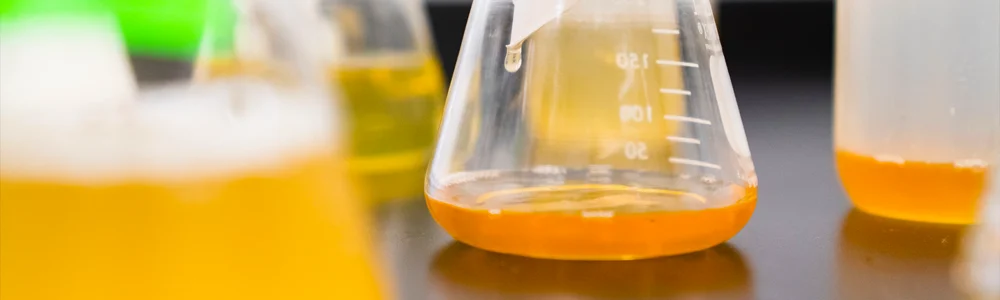
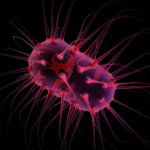
Persistent Organic Pollutants (POPs) are organic compounds that are resistant to chemical, biological and photolytic degradation. Because they’re resilient, once in the environment, they stick around for long periods of time, creating long-term exposure hazards. Categorised by class, some of the most commonly encountered POPs are polychlorinated biphenyls (PCBs), dioxins and the above-mentioned DDT. The persistence of these chemicals is what makes them especially dangerous because they can travel thousands of miles and touch parts of the globe that are far away from where they originated.
The Chemistry Behind Organochlorines
At their basic level, organochlorines are organics with chlorine atoms. This surprisingly benign modification makes them special – hydrophobicity, for example – and so accumulates them in fat. They are also extremely durable due to the strong carbon-chlorine bonds that help them resist breakage and survive in the environment. They fight back against natural depletion and become entrenched in ecosystems, and threaten animals and fish alike, down the food chain.
Sources and Pathways of Exposure
Organochlorines and POPs can come from many places. The natural cause is volcanic and forest fires; the human cause is industrial emissions, use of pesticides and improper disposal of waste. Common routes of exposure include:
Consumption: Eating and drinking tainted food and water.
Breathing in: Getting particles from contaminated air.
Hautal contact: Physical contact with surface or substance that has been contaminated.
Such paths can help us develop approaches to limit human and wildlife exposure, and therefore reduce associated risk.
Environmental Impact of POPs
Biological communities all over the world have been the brunt of POP accumulation. No place is truly insulate, from the Arctic to the rain forests. These chemicals are absorbed by organisms at the base of the food web – plankton for example – setting off a cascade of bioaccumulation and biomagnification. When top predators eat those that live lower down the food chain, the body stores more POPs than ever, creating problems in reproductive life, endocrine dysfunction and even death in severe cases.
Health Concerns and Human Impact
And POPs don’t just harm humans. Given the fact that they bioaccumulate, POPs can cause a whole host of illnesses. Research has associated these substances with everything from cancers to hormone disorders. As children are smaller and less developed, they are especially at risk, and exposure can have developmental and chronic health effects. Also, populations who depend on fishing or live near impacted sites are particularly vulnerable and the need for monitoring and mitigation is obvious.
Regulatory Measures and International Agreements
Solutions to the problems of organochlorines and POPs have involved international cooperation. One icon in this effort is the Stockholm Convention on POPs, which tries to end or limit their manufacture and consumption. Under its mandate, nations pledge to phase out particular POPs, use less dangerous ones, and dispose of stockpiles sustainably. Although great progress has been made, there are still hurdles such as new POPs and compliance in countries.
Mitigation and Remediation Strategies
This fight against the hazards of organochlorines and POPs is not a one-size-fits-all exercise. The other, a demand for greener chemistry, for creating materials that are useful but free from environmental pretensions. Rather, remediation must be the answer to existing contamination. Bioremediation (which uses bacteria to degrade pollutants) or advanced oxidation (which uses powerful oxidants to degrade pollutants) has proved effective. When success stories and failures are shared, it can serve as a point of reference for the future work in this important field.
The Future of Organochlorines and POPs
Even though much attention has been paid to organochlorines and established POPs, new pollutants present new problems. These new threats need research to identify and discover so that it can be responded to in time. And with technological change, the possibility is there will come some solutions that will stop and not just eliminate contamination. With sustainable – from green chemistry to tight regulatory requirements – the future could well be a world in which environmental and public health matter.
Share this on social media:
Facebook
Twitter
LinkedIn

Related Posts