Giardia and Cryptosporidium Outbreaks: Case Studies and Lessons Learned
- Published:
- Updated: November 29, 2024
Listen to this article
Summary
Crystal clear water can hide microscopic dangers like Giardia and Cryptosporidium, threatening public health when traditional treatment methods fail. Here’s what we’ve learned from outbreaks:
- Understanding the Menace: Protozoan parasites causing severe gastrointestinal issues.
- Treatment Failures: Chlorination and filtration often ineffective against resilient cysts.
- Case Studies: Milwaukee and Walkerton outbreaks drive regulatory changes, emphasizing accountability and prevention measures.

Drink water that looks clear, but the water might hold microbes such as Giardia and Cryptosporidium inside. These waterborne pathogens are a serious health risk when standard water treatment doesn’t work. Preventing and containing these micro-moments are dependent on understanding the complexity of these micro-maladies, and how they effect different communities.
The Invisible Menace: Understanding Giardia and Cryptosporidium
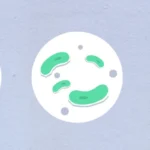
Giardia and Cryptosporidium are protozoan parasites, small in number yet massive in scale. They’re common in polluted water, and cause major digestive problems in humans. Giardia’s defining symptom is giardiasis, an illness characterised by diarrhoea, abdominal cramps and nausea. Cryptosporidium causes cryptosporidiosis which have same symptoms.
The most common way for people to contract it is by drinking contaminated water, whether that’s from a source of contaminated water or through food that’s been washed down with it. The two viruses are the world’s common ones, affecting millions of people. They are hardy cysts that can live out of host for years and do not respond to standard disinfection techniques. So they are a big problem for public health and water management around the world.
Why Traditional Water Treatment Fails

Water Treatment – Conventional water treatment such as chlorination fails against protozoa such as Giardia and Cryptosporidium. These parasites’ cyst form is very robust and can be found in chlorinated water. Even in populations with water treatment facilities this can cause outbreaks and the pathogens are an overwhelming problem.
Filtration is no exception either, especially if the systems are old and poorly maintained. An unflinching illustration of this is the 1993 Milwaukee Cryptosporidium outbreak where more than 400,000 people became sick from a lack of filtration and surveillance. This is a lesson that traditional water treatment alone cannot fix, however.
Case Study: The Milwaukee Cryptosporidium Outbreak of 1993
Then in April 1993 Milwaukee encountered one of the worst waterborne epidemics in U.S history. There were more than 400,000 locals, 4,000 hospitalisations, and more than 100 deaths. It was Cryptosporidium, and it got into the city’s water system, revealing a failure of water treatment systems.
Soon after the outbreak, there was a huge push to increase water security. New filters were introduced, and surveillance was stepped up. This incident changed the management of water quality in the United States from the ground up, with new rules and standards incorporating stricter protection against these bacteria.
Case Study: The Walkerton Giardia Crisis
Walkerton crisis in Ontario, Canada, May 2000 Another massive waterborne outbreak, this one involving Giardia. Badly run waterworks and human negligence allowed polluted water to get into the town’s waterways. What ensued was more than 2,300 stomach infections and seven confirmed deaths.
This caused a tsunami of legal proceedings, and some key city officials went to prison. This tragedy encouraged Canada to fundamentally rethink water quality management and governance in the name of accountability and monitoring. And it also shifted attitudes toward the government’s responsibility for providing clean water.
Other Noteworthy Outbreaks
In years since, there have been many other outbreaks that have made headlines and led us to rethink water safety measures. We point out some of them for simplicity:
Las Vegas, 1994: Cryptosporidium sickened 29 day-care children, and swimming pool repairs were put on the back burner.
Havelock, New Zealand, 1998: Giardia outbreak from run-off from animal farming, more than 1,500 deaths.
Flint, Michigan, Permanent: Not a Giardia or Cryptosporidium incident, but just another illustration of the way water contamination can be devastating in the long run.
These examples are warning signs but also can help us learn about prevention and control systems.
Effective Testing and Identification Techniques
Identifying Giardia and Cryptosporidium in water systems accurately and on time is essential to outbreak prevention. The older approaches such as microscopy are standard but less sensitive and specific. Higher accuracy now drives a wave of Molecular methods such as Polymerase Chain Reaction (PCR).
You need to be on the lookout for them at regular intervals, particularly in water-salient areas. Communities that live close to animal farms, for example, must be extra careful. Preventive testing can be used as an early warning system to allow the authorities to react appropriately before outbreaks occur.
Prevention and Control Strategies
There is only one way to prevent something and that involves chemicals as well as machines. : Boiling water works best for Giardia and Cryptosporidium but it doesn’t scale. UV disinfection and high-tech filtration are other efficient ways.
Improvement of infrastructure also comes into the picture. Old pipelines and storage tanks can be breeding places for these bacteria. If you’re prepared to invest in the new infrastructure, and keep it up and running, you’ll prevent future outbreaks.
Public Awareness and Education
Public education is important to stop Giardia and Cryptosporidium outbreaks. If we tell communities what happens when they drink polluted water and teach them how to prevent it, then we can drastically cut waterborne illness.
There are outreach programmes, seminars, and materials that have worked in different regions of the world. For example, fact sheets distributed in the countryside can include even simple reminders such as heating water before drinking or washing vegetables and fruits to stop the spread of infections.
Regulatory Landscape and Policy Implications
Efforts such as the United States Environmental Protection Agency’s Safe Drinking Water Act have also helped to keep water quality in check. But implementing such rules in all states and nations isn’t easy. And as pathogens change, so should our anti-microbial policies.
Because Giardia and Cryptosporidium are distributed globally, international collaboration is essential. World health organisations need to come together and set common standards and guidelines. Sharing research and technology could be key to fighting these waterborne hazards in a globalised manner.
Share this on social media:
Facebook
Twitter
LinkedIn

Related Posts