Nature's Protection: The Importance of Proper Water Management in National Parks
- Published:
- Updated: December 16, 2024
Listen to this article
Summary
Proper water management in national parks is crucial for preserving ecosystems and supporting biodiversity.
- Role of Water: Essential for habitats and biodiversity.
- Historical Context: Evolution of water management from preservation to sustainability.
- Challenges and Solutions: Balancing visitor demands, climate change impacts, and conservation efforts.

The most famous and popular parks are national parks. From the Grand Canyon to Yellowstone, these forests are more than tourist attractions: they’re habitat for a vast number of species, and they provide fresh water. But now that visitors are increasing, climate change and so on make it more crucial than ever to make sure that those resources are protected with good water management.
The Role of Water in National Parks and Its Impact on the Ecosystem
Life is made of water, and national park systems depend on it. Water is a crucial element of national park natural balance, from providing food for fish and other aquatic life to fuelling forests and other plant life. Yet water resources, in turn, are squeezed by increasing human uses – for tourism and recreation, for example – that can tip the delicate balance of these ecosystems.
History and Evolution of Water Management in National Parks
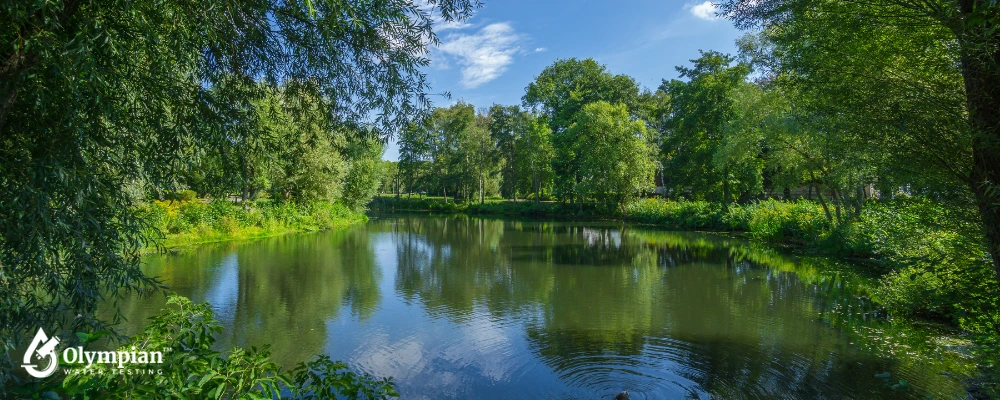
National park water management is as ancient as it gets. Early on in the life of the national park system, there was less about saving the parks from exploitation than it was about securing their natural beauty. But as the numbers of visitors increased and the effects of human activity became more visible, it became more about the sustainability of water management. The way that water in national parks is managed today is one of multiple and highly specialised activities involving state agencies, nonprofits and the community.
What are the Challenges and Solutions for Water Management?
Water policy for national parks can be complex: a rise in visitor use, climate change and conflicts of interest. Most important of all, water should be managed sustainably so as to avoid damaging the delicate ecology while still allowing for access by visitors and locals. National park managers have devised a series of solutions for this, from applying best practices for water conservation and protection, engaging government agencies and non-profit organisations to monitor and manage water resources, to informing visitors about the need to treat water responsibly.
What are the Best Practices for Water Conservation and Preservation?
For proper water use in national parks we must be conserving and protecting. These can be water conservation, habitat restoration and responsible tourism practices among other best practices. National parks, for instance, could provide water-saving technology — including low-flow toilets and showerheads — to save water and save resources. What’s more, the restoration of wetlands and streams can be valuable in terms of water quality and marine species health. And finally, the sustainable tourism, ie, waste minimisation and water conservation, will help to reduce human impact on water.
Role of Government Agencies, Non-Profits, and Communities in Water Management
Government agencies, non-profits and local communities are the foundations for national park water management. There’s government — the National Park Service, for example — that is bound to preserve and regulate water, but there’s also non-governmental organizations that can lend support and tools. Communities themselves can be invaluable too, supporting national park managers to manage and track water flows, educate people about water usage, and help in the areas of conservation and preservation.
Impact of Climate Change and Mitigation Efforts
Water in national parks is being directly impacted by climate change as temperature and rainfall shifts impact the quantity and quality of water. This can be catastrophic for park ecosystems – with water flow changes, drought intensity and duration, and the introduction of invasive species. National park managers also have a range of mitigation measures, from greenhouse gas emissions to better water storage and distribution, and from sustainable tourism to combat climate change. As well, collaboration with governments, nonprofit organizations and communities to monitor and react to water availability can sustain the long-term health of park systems.
Future of Water Management in National Parks and the Use of Technology
The technology is already shaping how water in national parks will be managed. These are just some of the ways that technology is already – or might soon – be applied to water management in national parks:
Remote Sensing: The national parks can make use of satellite and remote sensing to track water levels, see if land use has changed, and monitor the condition of aquatic habitats.
Drought Alerts: Drought alerts can send data on the water level in rivers, lakes and aquifers in real time, so park officials can respond quickly to drought events.
Water Conservation: Water can be conserved and used by technology to minimise water waste and national parks. Smart irrigation for example, will help you use less water on your plants and gardens, and low-flow plumbing fixtures can be used in buildings to conserve water.
Water Quality Monitoring: We can monitor the water quality with the use of high tech water quality monitoring systems for heavy metals, chemicals and other contaminants in aqueous, lakes and waterways. Such data can inform park managers when decisions need to be made about how water is managed – for example, the release of water from reservoirs and the recreation use of water.
Simulations and Modeling: More advanced computer models and simulations can be applied to evaluate impacts of different water management scenarios such as climate change, land-use changes and the impacts of water withdrawals on aquatic life.
Education and Promotion of Responsible Visitor Behavior
Education and encouragement of visitor conservation is also a part of the water management of national parks. National parks can train visitors in water conservation and protection and ecologist-type water usage practices (ie, waste reduction, water-saving). Also, the promotion of sustainable tourism — limiting the impact of visitor activities on the water table, for example — can help ensure the parks remain healthy and usable for future generations.
Share this on social media:
Facebook
Twitter
LinkedIn

Related Posts