Naphthalene Contamination and its Effects on Agricultural Water Sources
- Published:
- Updated: December 16, 2024
Listen to this article
Summary
Naphthalene contamination threatens agricultural water sources, impacting ecosystems and food safety:
- Chemical Characteristics: Naphthalene, a volatile organic compound, is prevalent in industrial and household products, dispersing quickly in the environment.
- High-Risk Areas: Proximity to industrial sites elevates contamination risks, affecting both crops and local biodiversity.
- Health Implications: From disrupting plant growth to posing risks to human health, naphthalene contamination demands stringent regulations and global cooperation.

Naphthalene pollution is a silent killer of our food chain and health. This hydrocarbon esters is obtained from coal tar or petroleum and can be found in industrial and consumer products. Because it can pollute water resources important for crop production, whole ecosystems are at stake.
The Science Behind Naphthalene: What You Need to Know
Naphthalene is an organic molecule in the form of white volatile crystals that have a pronounced smell. Most commonly used in dyes, resins, and as a fumigant for mothballs. It is chemically inert, so it spreads easily through the air but also has the potential to be poisonous if come into contact with living cells.
Pollution mostly happens via industrial effluent and household rubbish, which bioaccumulates in soil and water. Even residual naphthalene in the atmosphere damages the environment at an opportune moment but is also damaging to future generations, as a polluted undersea aquifers for agriculture and human use.
Mapping the Contamination: High-Risk Areas in Focus

Certain geographies are at greater risk for naphthalene contamination because of their proximity to industry. For example, croplands next to chemical works, petrochemical sites or industrial disposal sites are in constant danger. This sludge gets into the groundwater, and not only the crop, but the local fauna and vegetation.
There are some restrictions on naphthalene limits in water, but the regulations are loose. That means that the responsibility for regulating these risky regions will now fall on state and NGOs to keep an eye on these high-risk regions in real time, to keep the water quality within safe parameters for use by agriculture.
Agricultural Water Sources: A Vital Link in the Food Chain
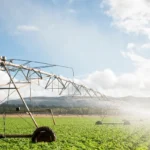
Water is an agricultural necessity, for everything from irrigation to weeding. Depending on the purity of this water, the crops’ health determines the food supply. Crop contamination caused by naphthalene-contaminated water has been devastating financially and created concern about food safety.
And if contaminated water is used for crop production, then contaminants reach food chains. In addition to the produce itself, these pollutants affect the animals eating contaminated plants, making it even worse for humans eating animals. What it amounts to is a ripple effect that can threaten entire societies.
Naphthalene and Plant Health: A Toxic Relationship
Naphthalene gets into the plants mainly through the root system. When inside the plant, it interrupts normal cell processes, producing a wide range of different changes. These include shortened growth, browning of the leaves and even plant death.
In a molecular way, naphthalene stops the plant from making proteins and enzymes it needs to grow and be resistant to pests and diseases. This lowers the yield and nutrients of the crop at the same time as placing food security at risk in the long term.
Animal Exposure: The Secondary Victims
Cattle raised in smog-ridden farms are lateral casualties, drinking naphthalene from contaminated water and feed. The poison in animals causes all manner of animal health problems, including respiratory problems and, if it’s left untreated, liver and brain damage.
Bioaccumulation is particularly worrying. Animals ingest naphthalene-laden food or water, and the poison gets deposited in tissues. That is a risk to people who eat meat, milk or other animals and could cause a number of diseases.
Human Health Implications: The Disturbing Reality
That there is naphthalene in food supply is troubling. In humans, it is linked to all manner of conditions from the most superficial – skin inflammation, respiratory tract infections – to the most advanced – cancer. More recent studies also showed reproductive and developmental risk.
Because food is a staple of our lives, the dangers of naphthalene contamination must be understood and reduced. The rules have to be strict and more studies are needed to fully understand the health impact in the long term.
A Global Dilemma: International Case Studies
Naphthalene laws vary from one country to the next and some countries have had better luck with this than others. Other European countries, for instance, have set strict rules and invested in new water treatment technologies and seen corresponding reductions in contaminants.
But in developing nations, resources and regulatory mechanisms mean naphthalene pollution is often not sufficiently controlled. Such inequalities show how the world must work together to overcome this crisis, exchanging information and technologies to save our shared ecosystems.
Remedial Measures: From Local Farms to Policy Change
Naphthalene management is complicated:
Checking and Testing: On-going check of water and soil.
Agronomy Best Practices: Use more natural pesticides and fertilisers.
Policing Improvements: New strict regulations and fines for breeches.
Public Education: Awareness Programmes in farm and community.
Chemical Treatments: Capital expenditures in naphthalene-removing water treatment technologies.
Public agencies and private organisations need to work together to establish and implement policies. And there is some ray of light in improved detoxification technologies that promise to better remove naphthalene from toxic sources.
Share this on social media:
Facebook
Twitter
LinkedIn

Related Posts