The Fascinating Underwater Ecosystems of New York
- Published:
- Updated: November 28, 2024
Listen to this article
Summary
New York’s underwater ecosystems are diverse and captivating:
- Hudson River: Supports over 200 fish species and essential habitats for birds and mammals.
- Long Island Sound: Rich marine habitat with seals, whales, and diverse shellfish populations.
- Freshwater Lakes: Home to various fish species and invertebrates, with lush aquatic plant communities.

New York’s ocean life has a magnetic attraction, a trance like experience of an underwater world just under the urban surface. From the Hudson River to the Atlantic Ocean, these waterways are replete with extraordinary marine life. We can explore into the depths, where coral reefs, kelp forests and species of every kind abound, and nature is resilient and adaptable. If you have the time to dive in these mesmerising underwater worlds, you’ll have a chance to witness the intricate network of life growing under the city skyline of New York.
Exploring the Hudson River: A Dive into its Aquatic Life
In New York State, there is no place more life-rich than the Hudson River. This great river might be linked to the busy Manhattan cityscape, but there is an intriguing aquatic world hidden underneath. The river harbours over 200 different species, including striped bass, American shad and Atlantic sturgeon.
What’s more, the Hudson River’s ecosystem doesn’t stop there. It includes the adjacent beach and marshes, which are home to hundreds of species of birds, amphibians and small mammals. These species are food web species that connect the area’s ocean and land systems.
The Long Island Sound: A Crucial Marine Habitat

The Long Island Sound, east from the Hudson River, has another exciting underwater world. This estuary between Long Island and Connecticut is a seabed of countless creatures, from the least-precious shellfish to the greatest of marine mammals.
There are several species of seals and whales living in the Long Island Sound, and these are sometimes seen in deeper water. Closer to the beach, oysters, clams and lobsters grow; in the shallows, ducklings perch on the bounty of fish. These varied habitats – salt marshes, seagrass meadows, sandy beaches – have their own unique communities of life to play on, making the sound as varied as it is.
Life Beneath the Surface: The Ecosystem of New York's Lakes
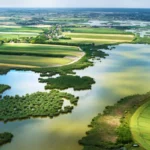
Even New York’s lakes have their own underworld. From the western Finger Lakes to Lake George in the Adirondacks, these waters harbour species such as bass, trout and pike that draw anglers close and far.
Not only that, but there is an intricate biota besides fish that inhabits these lakes. Their rivers and seas are inhabited by an array of invertebrates, from dragonflies to workaday beavers, and their shorelines and shallows contain rich species of marine plants. Not only do these plants provide wildlife with places to hide and forage, they also improve the water quality by removing pollutants and supplying oxygen.
Coral Reefs off New York's Coast: Hidden Underwater Gems
New York’s Reefs: Secrets Underwater TreasuresCoral Reefs off New York City Coast.
If coral reefs are usually only found in tropical regions, New York’s coastline is home to reefs, too. These cold-water coral communities in the deep New York Bight consist mostly of sea whips and sea fans. These slow-growing corals create dense mounds of habitat for many sea creatures.
Inside the corals are fish, crustaceans and marine creatures all of them adapted to the cold-water reef lifeform. Such reef communities are less colorful than the tropical ones, but they are integral to New York’s marine environments.
What is the Role of Wetlands in New York's Aquatic Ecosystems?
There could be no aquatic landscapes in New York that didn’t also include its wetlands. Such bridging zones between air and water are biota havens, home to hundreds of species. From freshwater bogs in the Adirondacks to coastal saltmarshes on Long Island, these are all key environments for fish, birds, mammals and invertebrates.
For spawning and juvenile stages for many fishes and amphibians, wetlands are home to nesting and feeding birds. Wetlands also filter water, suppress floods and store carbon, evidence of the strong connection between biodiversity and ecosystem services.
New York Harbor: A Bustling Underwater Metropolis
And then there’s the New York Harbor, where everything, both people and sea, is happening. The harbor is also home to an amazing diversity of life – despite all the traffic and urban air pollution that plagues it. Menhaden schools, swirling stingrays and the odd dolphin: there is plenty to be rewarded under the waves of the harbour waters.
And the harbor is also dotted with fake reefs, constructed of old boats, subway cars and so on. These artificial reefs give the harbour more life, creating new habitats for marine life. But in time they have become covered in marine life, home to many of the species that make up the harbour’s aquatic habitat.
Marine Life of the Atlantic Ocean: New York's Coastal Waters
Deterred, Atlantic Ocean shores are an ecosystem of enormous diversity. For fish, birds and marine mammals, these waters form part of New York’s aquatic biota. Migration species such as humpbacks, blue sharks and sea turtles come to these waters seasonally, either after food or on the way to their spawning grounds.
And not just the littlest animals are ecosystem-relevant here. The ocean food web rests on plankton, both microscopic plants (phytoplankton) and mammals (zooplankton). They feed all kinds of species, from the microscopic krill to the enormous baleen whales.
The Impact of Human Activities on New York's Underwater Ecosystems
Sadly, New York’s underwater worlds are under serious threat, but the main one is human. Pollution, overfishing, habitat loss and climate change are some of the threats to these ecosystems. The effects of these hazards are devastating, not just for our marine and freshwater species, but also for our economy and lifestyle.
But we can do something to offset these effects:
Reducing pollution, using fewer plastics and properly disposing of hazardous waste.
Promouvoir sustainable fishing to reduce overfishing.
Conservation and restoration of habitats (wetlands, reefs, rivers, etc) that are important to life on land.
Pushing for policies that reduce greenhouse gas emissions and combat climate change.
We can all contribute to keeping New York’s underwater ecosystems as richly diverse as possible by being aware of and learning from them. New York’s waters are filled with life, and we have to do what we can to keep them there.
Share this on social media:
Facebook
Twitter
LinkedIn

Related Posts