Science Behind Softening Hard Water
- Published:
- Updated: November 12, 2024
Listen to this article
Summary
Hard water, containing minerals like calcium and magnesium, can cause various household issues. Understanding its formation involves percolation through rocks and soils, leading to mineral dissolution. Testing methods like titration measure the water’s mineral content.
Softening hard water can be achieved through ion exchange, where minerals are swapped for sodium ions, or reverse osmosis, which uses a semi-permeable membrane to filter minerals. Regular maintenance ensures system efficiency and longevity.

There are millions of families worldwide whose homes have hard water. It’s triggered by high concentrations of minerals (clays, magnesium, etc) in the water supply. These minerals are not toxic to humans but do present a variety of issues in the household. From altering the taste and appearance of water to impairing appliances and destroying the efficacy of cleaners, hard water can interfere with your daily life.
The Nature of Hard Water
Hard water is water with a lot of minerals like calcium and magnesium. These minerals are not synthetic and they are present in groundwater. They’re usually deposited into the water by way of rocks and soils. These minerals are not poisons but they are troublesome at home. For instance, hard water can deposit minerals that will smear the dish to leave it streaky and stained. It also deposits minerals in pipes and appliances lowering their effectiveness and service life. Because of hard water, soaps and detergents may not work well, so more is needed to get the same results.
The hard water affects every day activities and household appliances. For instance, it’s difficult to lather up when handwashing or bathing, and it’s dry and itchy. Hard water can break appliances like water heaters and washing machines. Minerals can clog pipes and appliances and cause them to function slower and use more energy. That can increase the amount you spend on energy, and more repairs and replacements are necessary.
Understanding the Science Behind Hard Water Formation

The hard water is a natural process that happens as water touches minerals in rocks and soils. As water seeps down into the surface, minerals in rocks and soils are lost and the water hardens. Hardness is determined by mineral content and type of the water. The two minerals that cause the most problems are calcium and magnesium. These minerals have home encroachment since they don’t dissolve easily in water and deposit on pipes, appliances and plumbing fixtures.
There are several methods to check for hard water such as with a hard water test kit or testing a sample of water by an expert lab. Test for hard water using the most common technique called titration (this is a way of assessing how many minerals in the water). The test data is then used to calculate the hardness in grains per gallon (gpg) or mg/L.
Effective Methods for Softening Hard Water
We can treat your hard water with ion exchange, reverse osmosis, or water softeners. All of these techniques have pros and cons and the best technique for any one household will be different based on a number of factors such as the hardness level and the household needs.
Ion Exchange
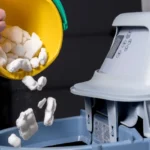
Ion exchange — Remove minerals from hard water by swapping them for sodium ions. This is done by means of a water softener system with resin beads. Resin beads are inlaid with sodium ions and as hard water flows through, minerals in the water attract resin beads and pair up with the sodium ions. What you end up with is mineral-free soft water, safe for your family to drink.
Ion exchange is a great way to treat hard water and is perfect for those homes with extremely hard water. Yet, there can be some downsides to ion exchange for hard water treatment. For instance, the procedure can increase the water’s sodium level, which isn’t always ideal for people on a low-sodium diet. Water softening systems need to be regularly replaced with resin beads which costs money in the long run.
Reverse Osmosis
Also, reverse osmosis works just as well for hard water. It works by squeezing minerals and impurities from the water using a semi-permeable membrane. The minerals from the hard water trickle through the membrane and then the filtered water seeps through. Reverse osmosis can remove the minerals from hard water, and can make safe water to drink and cook with.
But there are potential downsides to reverse osmosis for hard water. The process is, for instance, very slow and could be the waste of much water to get even a little clean water. Reverse osmosis systems are very costly to put in and keep up and could also need to be cleaned and maintained regularly to keep them working.
Regular Maintenance and Upkeep
All kinds of hard water treatment should be maintained and checked on a regular basis for proper functioning and life expectancy. So for instance, ion exchange systems should replace resin beads every few months, and reverse osmosis systems might replace membranes. The two types of systems might need regular cleaning and disinfection to stay functional.
Remember to maintain and upkeep your hard water system according to the manufacturer’s directions for maintenance and upkeep so that the hard water system stays working. A regular upkeep and maintenance would make the system last longer without having to spend more money on repairs and replacements.
Hard water has all kinds of negative effects on the home, from making the water taste and look bad to breaking down household appliances and weakening cleaning products. By learning the science of hard water and learning different treatments for hard water, it is possible to keep homes flooded with clean, pure water. Ion exchange, reverse osmosis, or any other hard water treatment process needs maintenance and upkeep to make sure it will operate and last.
The Impact of Hard Water on Health
It’s not as if hard water is bad for human health. But it can also dry and irritate skin and it may be hard to get a good lather in hands or the shower. Mineral residue in pipes and appliances will make them less effective, meaning that they’ll use more energy and work harder. That can mean higher energy bills and more frequent repairs and replacements.
The Cost of Hard Water on Households
The hard water costs households can be hefty. The mineral deposits in pipes and appliances, for instance, make them more inefficient and consume more energy. This can result in higher energy bills and more frequent repair and replacement. Soap and detergent will have less success with hard water, and so you have to add more for optimum results. Then, you might find yourself paying more for the house (at least for cleaning supplies).
The life of appliances also decreases with hard water. Mineral build-up in pipes and appliances, for instance, can put them to more strain and consume more energy, which can result in repairs and replacements more frequently. It’s expensive over time especially with big equipment like water heaters and washing machines. The mineral deposits from hard water tend to accumulate in pipes, which can lead to clogging and leaks.
The Benefits of Soft Water
Soft water is water that has had the minerals removed through a treatment process. Soft water is free of minerals and is safe for use in the home. The benefits of soft water include:
- Improved taste and appearance of drinking water
- Increased efficiency of household appliances and pipes
- Improved effectiveness of cleaning products
- Reduced skin irritation and dryness
- Reduced energy bills
The Different Types of Water Softening Systems
There are various kinds of water softening systems like ion exchange, reverse osmosis, and water softening system. There are pros and cons to all these systems, and which is best for any given household will vary based on a host of variables such as the level of hardness and the household’s requirements.
Ion exchange systems exchange minerals in hard water for sodium ions using resin beads. This gives mineral-free soft water that’s perfect for your home. Reverse osmosis membrane remove minerals and other impurities from hard water through a semi-permeable membrane. This leaves pure water which is drinkable and cookable. Water softeners use both ion exchange and reverse osmosis technology to bring soft water and filtered water to your home.
This is an issue of millions of homes all over the world due to hard water. This is because there are too many minerals in the water, like calcium and magnesium. These minerals do everything from ruining the taste and appearance of drinking water to breaking down household appliances and slowing down cleaning products.
You can find ion exchange, reverse osmosis and water softening systems to treat hard water. Each of these approaches has pros and cons and the correct one for any particular household will depend on a lot of factors such as the hardness and the specific household needs.
And it is necessary to take good care of it, maintenance is key to making any water softener function efficiently and last for a very long time. Observe the manufacturer’s instructions for frequent cleaning and care to make sure that the system does not break down and that the water is clean and safe for the family.
Soft water is not only delicious, it makes the water taste and look better, it will make the household appliances and pipes work more efficiently, it will make cleaning products work better, it will stop your skin from getting irritated and dry and it will save you money.
Share this on social media:
Facebook
Twitter
LinkedIn

Related Posts