
Why Safe and Reliable Drinking Water Matters
Safe and reliable drinking water is essential for daily life and the future of communities. It drives efforts to ensure public water health at every level. This includes focusing on domestic needs, fire protection, and lead awareness.
Water authorities work hard to keep contaminants out, highlighting the importance of safe drinking water for families and businesses. Initiatives like service line identification aim to reduce lead exposure. This is critical for both human health and environmental protection.
Community Health and Well-Being
Proper sanitation and regular monitoring underscore the value of safe drinking water. It’s vital for the health of children and older adults. Public updates build trust, showing the importance of reliable water systems.
Environmental Protection Measures
Protecting aquifers and reducing pollutants is key to preserving local habitats. Meeting EPA demands strengthens sustainability efforts. Conservation initiatives help extend the life of water sources, meeting community needs.
Key Focus | Main Benefit |
Service Line Identification | Reduces Lead Exposure |
Infrastructure Upgrades | Strengthens Fire Protection |
Environmental Preservation | Protects Aquifers |
The Mission of the Nassau County Water Authority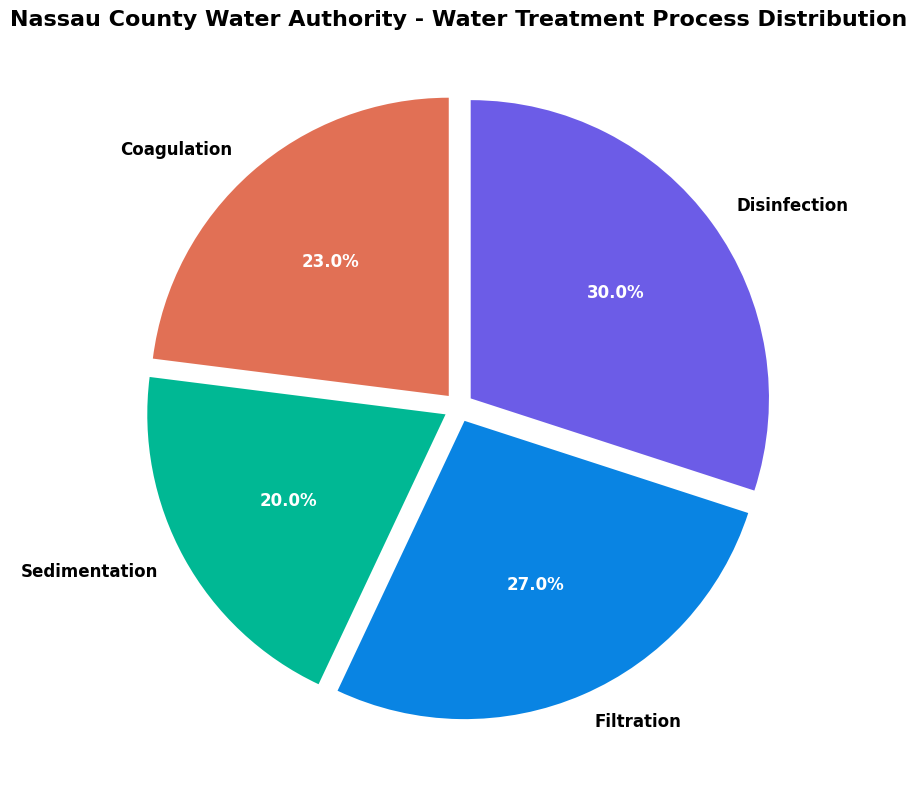
The Authority is dedicated to protecting public health through rigorous practices and innovative strategies. It focuses on continuous evaluation of local resources and responsible management of Nassau County utilities.
Ensuring Quality Services
Leaders invest in cutting-edge infrastructure, such as a new treatment building at Station 28, to meet evolving needs. A ten-year master plan guides these efforts, ensuring upgrades that maintain consistent service delivery. These efforts protect drinking water from pollutants and support strong communities.
Regulatory Compliance and Standards
Teams adhere to strict EPA guidelines to uphold regulatory water standards. Following state and federal requirements shapes treatment protocols that meet water quality objectives. This approach builds trust in local supplies and showcases the Authority’s commitment to transparent oversight.
Infrastructure Focus | Key Action | Anticipated Benefit |
Facility Upgrades | Treatment Enhancements | Cleaner, Safer Water |
Long-Term Planning | Ten-Year Master Plan | Consistent Service |
Historical Background and Formation
Early efforts to bring clean water to Nassau County began with local boards recognizing the need for reliable systems. Concerns over contamination drove civic leaders to seek a more organized solution. The founding of water authorities aimed to merge resources across different areas to tackle these issues. This marked a significant shift in the county’s history.
The history of Nassau County water is a story of collaboration among town administrations. Each area managed its own water sources, but the need for unified oversight became clear. A public utility origins concept guided the development, ensuring quality and fair distribution. The community rallied behind this idea, seeing it as a safeguard for future generations.
“Resilient infrastructures protect public health and help foster healthy neighborhoods,” stated a local commissioner during early development meetings.
These initial steps have led to ongoing expansions that continue to benefit communities in Nassau County.
Key Responsibilities and Ongoing Projects
The Nassau County Water Authority is responsible for ensuring water safety and quality. They focus on infrastructure rehabilitation to improve system performance and resilience. This work is essential for maintaining a reliable water supply.
Infrastructure Upgrades
Starting May 20, 2024, significant water main projects will begin. These will cover Aspen Street, Oak Street, Cypress Street, Carnation Avenue, Willow Street, Ash Street, Birch Street, and E. Poplar Street. The aim is to replace aging infrastructure and address lead and copper service lines.
These efforts also include expanding a treatment facility in New Hyde Park. Organizations like the Pittsburgh Water and Sewer Authority are setting examples. They invest in rebuilding pumping stations and upgrading lines. They also ensure transparent communication about construction schedules.
The City of Madison, Wisconsin, is planning to replace hundreds of miles of mains. They encourage feedback through neighborhood meetings. This approach highlights the importance of community involvement in water infrastructure projects.
Community Outreach Initiatives
Engaging with the public is key to long-term satisfaction. Community water outreach programs aim to build trust. They offer open forums, door-to-door updates, and social media notifications.
Residents are given a voice in the design stages. Their input helps ensure safer service lines and better conservation practices. Experts, like those from the American Water Works Association, emphasize the importance of proactive communication.
Project Name | Location | Start Date | Primary Objective |
Water Main Replacement | Multiple Streets | May 20, 2024 | Boost reliability & remove aging lines |
Service Line Review | Various Districts | Ongoing | Identify possible lead & copper connections |
Treatment Facility Expansion | New Hyde Park | Under Planning | Improve water purification capacity |
Understanding Water Treatment and Distribution
Quality water relies on a well-managed water treatment facility. It screens and purifies each drop meticulously. Pipes then carry the purified water through a robust distribution system, ensuring every neighborhood stays connected.
The process starts with coagulation, using charged chemicals to clump particles. Sedimentation follows, allowing these clumps to settle. Next, filtration technologies, such as sand or charcoal, trap the remaining particles. Disinfectants then eliminate any remaining microbes.
Electrocoagulation is a newer method that reduces chemical use and emissions. This approach is becoming more prevalent in water treatment facilities.
The Water Authority is investing in stronger infrastructure to handle emergencies. A more powerful generator is planned for Soma Street in New Hyde Park. Completion is expected by November 2025. This upgrade ensures continuous service during power outages and protects well pump rehabilitations.
For those interested in archived updates on supply projects, public water supply records are available. Each water treatment facility employs modern methods to ensure every tap flows safely and reliably.
Environmental Conservation Efforts
The Nassau County Water Authority champions water conservation and responsible resource management. It examines proposed guidelines from the U.S. Environmental Protection Agency on PFAS. This ensures the safety of local aquifers and holds polluters accountable for groundwater contamination.
Commitment to sustainable practices is evident. Team members monitor pollutants, advocate for new policies, and fortify defenses against chemical threats.
Ecosystem Protection Strategies
Protecting wetlands and forests is essential. The authority conducts habitat assessments and collaborates with New York State agencies. These efforts enhance ecosystem preservation by minimizing contamination risks and fostering biodiversity. They also promote ecosystem preservation in regional watersheds.
Green Practices in Daily Operations
The authority invests in green infrastructure that incorporates eco-friendly designs for water distribution. Regular facility upgrades adhere to green infrastructure standards. This preserves land, reduces energy consumption, and supports water conservation in communities.
Budget and Funding Sources
Transparency in resource allocation is key for the authority’s fair and efficient budgeting. It relies on a mix of funding strategies, providing a solid base for upgrades. Ratepayers can pay fees online or by phone, with a cap of $250.00 per transaction. For amounts over $250.00, multiple transactions are needed. Options include credit card or eCheck payments, ensuring flexibility and security.
The authority invests significantly in infrastructure renewal and large projects, using operational finance for these efforts. This covers the maintenance of pipelines, pumping stations, and quality assurance. Strong oversight ensures fiscal responsibility, building public trust with each dollar. Teams monitor spending closely, and various funding sources support vital improvements, even in economic downturns.
Payment Method | Transaction Limit |
Online Payment | $250.00 |
Phone Payment | $250.00 |
Collaboration with Local Communities
By working together, trust and transparency grow. The Nassau County Water Authority offers a website with lead and copper line maps. This allows users to explore local infrastructure and volunteer for service line inspections. Such community engagement empowers everyone to contribute to safe water systems.
Public Education Programs
Hands-on activities and clear guidelines enhance water education. The authority provides tips on water usage and hosts workshops on conservation. Attendees learn pollution prevention and simple ways to protect their environment.
Open Channels for Feedback
Regular forums and town hall events serve as a feedback mechanism. They invite suggestions on ongoing projects. These gatherings foster open dialogue and help officials tackle real concerns. Through online surveys and interactive events, the public has a direct say in shaping policies.
Collaboration Tool | Features | Benefit |
Online Portal | Lead & Copper Line Maps | Easy Access to Infrastructure Info |
Inspection Program | On-Site Checks | Proactive Issue Detection |
Regulations and Governance
The Nassau County Water Authority operates under strict guidelines. These rules, known as water governance guidelines, enhance public trust. They also provide a clear path for decision-making. By following local water laws, the authority ensures safe and reliable services, building community confidence.
Regular board meetings foster open dialogue. The approval of minutes, treasurer’s reports, superintendent’s reports, and accounts payable warrants ensures transparency. These updates drive responsible oversight and align everyone with operational goals. Compliance monitoring is a top priority, ensuring checks and balances across all departments.
Leadership connects financial updates with legal requirements during meetings. These sessions confirm that directors stay informed about emerging needs, risk assessments, and budget allocations.
Meeting Element | Primary Purpose |
Minutes | Summaries of prior discussions and resolutions |
Treasurer’s Reports | Financial statements underscoring fiscal health |
Superintendent’s Reports | Updates on system maintenance and service improvements |
Accounts Payable Warrants | Authorization of expenditures and reimbursements |
Common Concerns and Misconceptions
Safe drinking habits often spark public water concerns. Residents want clarity about possible additives and the level of scrutiny their water undergoes. This offers vital insight into the processes that preserve quality.
Water Fluoridation
The fluoridation debate revolves around whether trace amounts of fluoride benefit oral health without creating adverse effects. Modern studies indicate that standard levels stay well within recognized guidelines. The Nassau County Water Authority follows scientific consensus and monitors these measures regularly to ease any lingering doubts.
Regular Quality Testing
Proactive water testing remains a cornerstone of public safety. Instruments can detect contaminants down to parts-per-trillion scale. This is equivalent to a single drop of color in 18 million gallons of water or one second in 32,000 years. Extra layers of research confirm the reliability of each reading, significantly reinforcing public confidence and supporting timely resolutions if irregularities arise. This level of precision showcases the commitment to thorough checks and maintains public trust.
Future Plans for Infrastructure Growth
The Water Authority has a ten-year master plan to ensure reliable service for years to come. Studies for storage tank rehabilitation are underway, and New Hyde Park construction is set to finish in November 2025. This shows a dedication to strategic planning and keeping up with EPA standards.
Across the country, other areas are also focusing on future water expansion. In Arizona, WIFA has set aside $445 million for long-term improvements. Massachusetts Water Resources Authority plans to spend $5.75 billion over four decades. Beaver Water District is speeding up its projects and investing over $500 million, while American Water has a 10-year plan worth up to $22 billion.
Tampa Bay Water looks ahead 20 years, and the San Diego County Water Authority updates its facilities every decade. Suffolk County Water Authority’s Strategic Plan 2025 shows how long-term infrastructure can adapt to growth and new technologies.
Continuing Commitment to Water Sustainability
The Nassau County Water Authority (NCWA) is dedicated to a healthy environment. In July 2018, the U.S. filed a civil complaint against two corporations. This was to recover costs for cleaning up groundwater contamination at a major Superfund site. NCWA’s role in this case, along with lawsuits in January 2019 by multiple Nassau County water suppliers, shows its ongoing commitment. This commitment ensures the protection of local wells and fair water rates.
Residents can find updates on recent projects and initiatives at the official website. The website shows how NCWA works with neighboring authorities to protect water quality. Through litigation and wise resource management, the Authority builds public trust. It plans for future improvements, focusing on preserving water sustainability. The aim is to safeguard natural assets for now and for future generations.