Linking Livestock Well-being and Water Quality
- Published:
- Updated: December 16, 2024
Listen to this article
Summary
The relationship between livestock well-being and water quality is crucial for both community health and environmental sustainability. Contaminated water poses health risks to livestock, leading to reduced productivity and economic losses. Regular water testing and implementing best management practices can mitigate these risks, ensuring access to clean water for livestock and safeguarding their well-being.
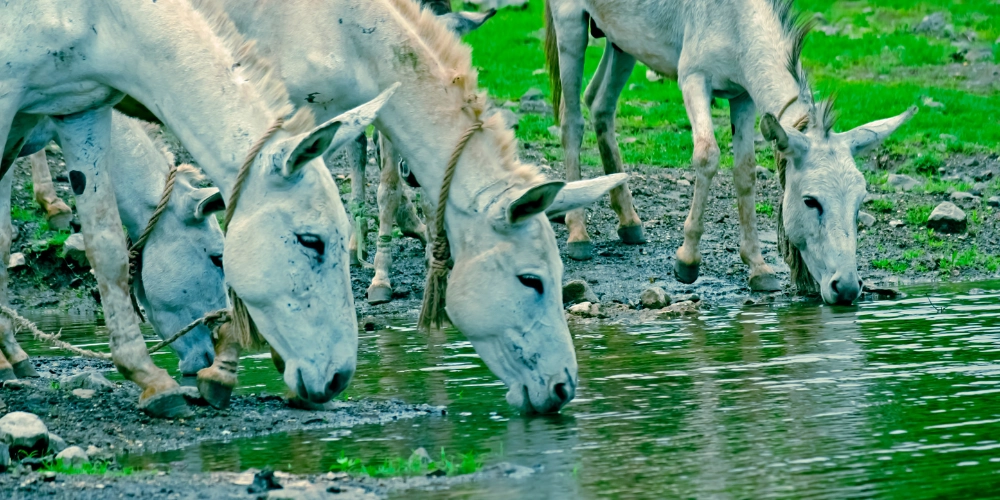
The welfare of livestock and the hygiene of water are two important things that can affect both the health of society and nature. Animals that eat water infected with the contaminants will become sick and farmers will experience productivity and income reductions. Conversely, animals in the waterways can also lead to water pollution and consequent health problems in both animals and humans.
Why is Water Purity Important for Livestock Well-being?
All living organisms including livestock need water to exist. It is absorbed to hydrate, digest and other bodily functions. Animals that need to stay healthy need to have access to pure, pure water without pollutants or contaminants. Desiccated water in livestock breeds will impact livestock through digestive issues, infections, and low fertility.
It is particularly crucial to have clean water, particularly for the animals that live in confinement – such as in feedlots or dairy cows. They are often kept in close quarters and deprived of pasture and other water. This makes the water they drink so much more valuable.
How can Water Purity be assessed in Livestock Operations?

Monitoring water purity in herds of animals is critical to their health. Physical, chemical, biological and others are different approaches to measure water purity. Physical examinations might include visual testing for contamination or colouration, smell, taste and clarity. Chemical analysis can be for pollutant contamination (pesticides, nitrates, heavy metals). Biological testing might also be for bacterial, virus, or parasitic pathogens.
Aside from these tests, there is also the question of where water that is used in animal operations comes from. Water from wells or springs could provide you with more clean water than water from rivers or other surface sources which could be more likely to be polluted.
Consequences of Contaminated Water for Livestock Well-being
The health of livestock animals can be adversely affected by polluted water. Not only are there health issues associated with drinking polluted water, polluted water can undermine the profitability and productivity of livestock farms. Water that is polluted, for instance, can lead to outbreaks of diseases and decrease the fertility of animals — both of which can be bad news for these operations.
Beyond these immediate effects, polluted water can also have indirect effects on animal welfare. By way of instance, polluted water can damage the environment and the soil and other materials produced to produce feed for livestock. It could be damaging in the long run to the health and efficiency of these animals and the operations that use them.
What can be Done to Improve Water Purity in Livestock Operations?
There are several steps that can be taken to improve water purity in livestock operations and ensure the well-being of these animals. These steps can include:
- Implementing regular water testing programs to assess the purity of water in livestock operations and detect any potential contaminants or pollutants.
- Improving the management of water sources, such as wells or springs, to reduce the risk of contamination and ensure the long-term quality of the water.
- Implementing best management practices for water usage and waste management in livestock operations to reduce the risk of contamination and protect water sources from pollutants.
- Installing filtration systems and other water treatment technologies to remove contaminants and pollutants from water used in livestock operations.
- Providing livestock animals with access to multiple sources of water, such as multiple water troughs or automatic watering systems, to reduce the risk of contamination and improve access to clean water.
In addition to these steps, it is also important to educate producers and other stakeholders about the importance of water purity for livestock well-being and the steps that can be taken to improve water purity in livestock operations. This can include providing training and resources on water testing and management, as well as promoting best practices for water usage and waste management in these operations.
The Role of Water Purity in Livestock Feed
Water quality has a big effect on the quality of animal feed. Livestock feed is usually diluted with water for a uniform texture and more digestibility. This process can result in poor quality and safety of the feed and therefore detrimental to the health and welfare of the animals involved if the water is polluted.
If you want to make sure that livestock feed will be good, use pure water without contaminants and pollution. We can do this by using well water or spring water, and by filtering or other water treatment equipment to decontaminate and remove contaminates and pollutants from feed water. In doing so, farmers can make sure the feeds used to raise livestock animals are safe and quality — making it safer and healthier for the animals and for the livestock operation.
The Impact of Water Purity on the Environment
Ethical water purification is an aspect of environmental health too. Water pollution can be bad for the environment in many ways: by contaminating soil and other materials used to produce feed for farm animals, by contaminating water supplies that people drink and use for irrigation, or by encouraging disease and other conditions in wild animals and other organisms.
In order to minimise the environmental impact of contaminated water, it’s necessary to act to purify water in animal farming, and encourage the use of good water management practices and waste management practices within these operations. These can be filtration or other water treatment systems, water testing programmes, and establishing best-practice practices for water consumption and waste management. This way, producers and others can protect the environment and support the long-term health and wellbeing of animals and their people.
Share this on social media:
Facebook
Twitter
LinkedIn

Related Posts