Historical Background of Bilateral Cooperation
Agreements between the United States and Canada led to a joint effort in managing border waters. Early treaties focused on navigation and commerce, laying the groundwork for essential discussions. The Canada-Ontario Agreement became a key example, bringing together governments to protect these waters.
In 1972, historic talks marked a significant milestone in U.S.-Canada water cooperation. Leaders acknowledged the need to preserve water quality, establishing a partnership model for future policies. This vision enriched the Great Lakes history, showing how cross-border efforts evolve over time.
Early Diplomatic Roots
Initial discussions centered on managing resources to ensure smooth trade and fair benefits. Representatives understood the importance of shared responsibility, critical for areas reliant on shipping and fisheries. These early steps paved the way for more formal agreements in the following decades.
The Shift Toward Environmental Protection
Concerns about the environment grew, prompting a shift in focus to water quality. Governments at all levels supported stricter standards and broader monitoring. This shift reflected a growing commitment to preserving the lakes for future generations, highlighting a deepening sense of responsibility for natural heritage.
Understanding Core Objectives
The United States and Canada, under the Great Lakes Water Quality Agreement, have a shared mission. They aim to ensure the health of the waters for future generations. Their main goals include pollution prevention, scientific collaboration, and balanced growth. These objectives form a basis for responsible management of the Great Lakes.
The health of the Great Lakes ecosystem relies on joint efforts to maintain water quality and protect aquatic habitats. Teams work to reduce harmful runoff, manage waste, and promote sustainable industry practices. These efforts ensure cleaner shorelines for families. Through data sharing, monitoring programs, and awareness campaigns, the two nations keep the Great Lakes thriving.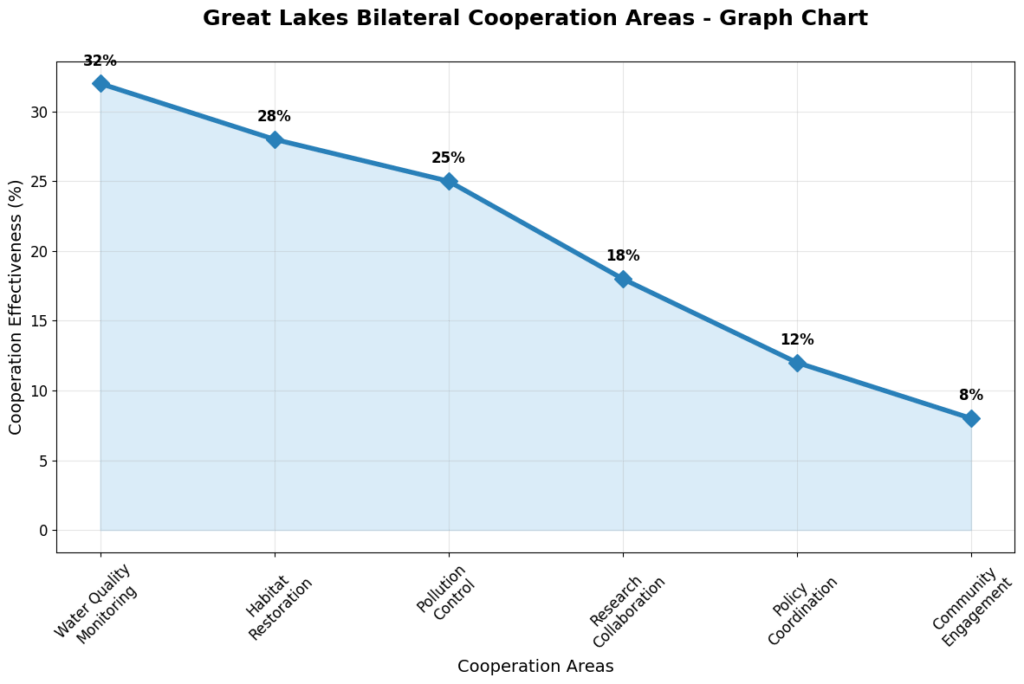
Some key initiatives include:
- Coordinating research across federal and regional agencies
- Setting precise targets for pollutant reduction
- Involving local communities in decision-making
These actions strengthen international cooperation and reinforce the commitment to protect these waters. Each step contributes to preserving the region’s heritage. It ensures the lakes remain vibrant and valuable for generations to come.
How the Agreement Protects Ecosystems
Canada and the United States collaborate to protect the Great Lakes. They reduce industrial discharges, limit agricultural runoff, and embrace green infrastructure. These actions combat eutrophication, toxic hotspots, and contaminated sediments. The focus is on pollution control strategies and collaborative programs that rely on science to track and reduce harmful substances.
Cooperation goes beyond just regulations. Both nations adopt modern technologies to reduce waste and promote cleaner industries. Stakeholders evaluate water quality data, share resources, and invest in long-term monitoring. This strategy prevents harmful chemicals from building up, ensuring a healthier basin for future generations.
Strategies for Pollution Control
Federal and regional agencies support practices to reduce runoff. They use buffer zones, sustainable farming, and improved stormwater systems. Public awareness campaigns encourage responsible chemical disposal and cleaner production. These efforts save habitats and strengthen local economies.
Methods of Habitat Restoration
Experts revitalize wetlands and shorelines by planting native species and removing invasive plants. Strong habitat restoration brings back critical nesting areas for birds and ensures balanced fish populations. Volunteers and non-profit groups often help restore coastal marshes. This creates a ripple effect that boosts biodiversity and fortifies natural resilience across the region.
Key Milestones and Developments
From the signing in 1972 to later additions, efforts have reinforced a shared commitment to safeguard water quality. The first document laid solid groundwork for future progress. Each revision sharpened pollution targets and widened participation.
Policymakers introduced stricter rules in subsequent versions. The 2012 version addressed new issues such as invasive species. The 2021 renewal of the Canada-Ontario Agreement is a key milestone. It highlights renewed partnerships and paves the way for significant environmental achievements.
Year | Action | Outcome |
1972 | Initial Agreement | Established core goals and launched collaborative measures |
2012 | Amended Provisions | Responded to emerging ecological challenges and expanded focus |
2021 | Canada-Ontario Renewal | Strengthened cross-border coordination and resource-sharing |
Role of Federal and Local Agencies
Federal bodies establish foundational policies and fund critical programs aimed at improving water quality. They work in tandem with various government agencies to maintain uniform standards across the Great Lakes region. Provincial and state partners then align their regulations with this overarching vision, ensuring resources and expertise are adequately matched.
The Great Lakes Water Quality Board plays a key role by identifying threats that require immediate action. This board, in collaboration with the International Joint Commission, assesses the effectiveness of efforts to control pollution and restore habitats.
Local authorities then translate these policies into actionable steps. Municipalities, tribal councils, and community groups spearhead cleanups and educational initiatives. Their grassroots efforts enhance conservation outcomes and empower residents to influence water stewardship projects. Each level of leadership builds upon the collective framework, allowing research to be adapted to local needs.
Ongoing Collaborative Frameworks
These structures combine diverse viewpoints, fostering both scientific research and targeted interventions.
Community Engagement Efforts
Through workshops and public forums, shared responsibilities are highlighted. This enables residents and stakeholders to contribute innovative solutions.
Entity | Responsibility |
Federal Agencies | Set national priorities, allocate resources |
State & Provincial Departments | Coordinate regional policies, monitor compliance |
Local Authorities | Implement programs, organize grassroots support |
Great Lakes Water Quality Board | Advise on threats, review policy performance |
Spotlight on Cross-Border Collaboration
Canada and the United States team up with Tribal governments, First Nations, and Métis communities. Their mission is to blend cultural wisdom with cutting-edge science to safeguard shared waterways. This effort is built on cross-border collaboration, tackling pollution, habitat preservation, and meeting the needs of various populations.
Data-sharing initiatives lead to innovative conservation strategies. Many highlight a cooperative research project as a model for success. It shows that a Great Lakes partnership thrives when different viewpoints come together. Cultural knowledge is at the forefront, respecting traditional wisdom and driving new solutions that enhance these interconnected waters.
“Sustained cooperation among diverse partners is our best bet for preserving future generations’ access to these waters.” – Catherine McKenna, former Canadian Minister of Environment and Climate Change
Mutual respect is the cornerstone of every Great Lakes partnership. A dedicated framework demands open dialogue and shared objectives. Through cross-border collaboration, stakeholders craft enduring plans to revitalize ecosystems and solidify a lasting connection across this critical area.
Why the Great Lakes Are a Global Treasure
Satellite imagery shows the vastness of these inland seas, highlighting their vital role in supporting diverse life forms. This area is a global treasure, linking ecosystems across a vast freshwater area. It shapes communities that rely on the health of these waterways.
Ecological Richness and Biodiversity
Countless birds, fish, and aquatic plants thrive here, showing the biodiversity importance that drives research and conservation. Clean water supports thriving food webs. These webs, in turn, sustain larger species and maintain a delicate natural balance.
Sustaining Regional Economies
Commercial and recreational activities power nearby cities and rural areas. Fishing fleets, shipping docks, and tourism networks unite millions of residents. They help families build successful livelihoods. These opportunities boost trade, promote local businesses, and add to cultural identity.
Key Sector | Economic Benefit |
Shipping | Fosters trade routes across North America |
Fishing | Generates food supply and supports coastal jobs |
Tourism | Encourages travel spending and recreational growth |
Community Initiatives for Cleaner Water
Local nonprofits and government offices have stepped up efforts to safeguard Great Lakes shorelines. They organize cleanups, encouraging residents to collect debris and document discarded items. These community initiatives help participants grasp the long-term effects of human actions on water quality.
Citizen science programs are another key focus. They empower individuals to test nearby streams and waterfronts for pollutants. This grassroots approach equips people with the knowledge and tools to identify habitat changes or rising contaminant levels.
Many volunteer programs also concentrate on habitat restoration. By planting native species and rebuilding wetlands, they enhance natural filtration and protect local wildlife. Participants gain hands-on experience, fostering a lifelong commitment to environmental stewardship. The collective enthusiasm in these efforts highlights the critical role individuals play in maintaining cleaner water and healthier ecosystems for future generations.
Notable Success Stories
These lakes have seen lasting improvements through well-coordinated efforts and research. Many see these success stories as examples for achieving sustainability elsewhere. Local groups, private companies, and citizens came together to tackle major issues and boost ecological health.
Recovered Wildlife Populations
Conservation work led to a significant increase in native fish, including lake sturgeon. This rise in wildlife recovery strengthens the food web and aids in restoring balance in tributaries and coastal areas. The U.S. Fish and Wildlife Service and regional agencies worked together. They helped bring back migratory shorebirds that had declined in recent years.
Improved Water Treatment Practices
Advances in water treatment technology have cut down on industrial waste and pollution. Some cities have installed new filtration systems to combat toxic runoff. This change has made the water clearer and safer for people, adding to the success stories. The health of the shorelines shows the importance of proactive measures and careful monitoring.
Challenges Facing Ongoing Efforts
The Great Lakes Water Quality Board has recently highlighted significant concerns about agricultural runoff and harmful chemicals. Pollution from old industrial sites remains in sediment, while microplastics pose new risks of long-term damage. Experts are now exploring ways to combat water pollution without stifling regional development.
Recent studies have underscored the issue of nutrient overload as a major challenge. Farm practices and sewage overflows contribute to excessive algae growth, endangering wildlife and local communities. In some cities, outdated sewer systems leak contaminants, necessitating urgent modernization efforts. Collaboration among lawmakers, industries, and citizens is essential to safeguard these waterways for future generations.
Threat | Key Impact | Possible Measures |
Agricultural Runoff | Algal Bloom Growth | Stricter Fertilizer Guidelines |
Legacy Chemicals | Toxin Buildup | Targeted Sediment Cleanup |
Microplastics | Ecosystem Imbalance | Enhanced Filtration Research |
Upcoming Policy Revisions
Stricter environmental regulations are on the horizon. Authorities are preparing to implement new amendments aimed at preserving water quality. Discussions center on placing more controls on high-risk contaminants and refining cross-border strategies for science-based monitoring.
Potential Measures to Strengthen Protection
A series of proposals aim to bolster existing regulations. Stakeholders have urged leaders to consider additional chemical limits and wider surveillance of invasive species. The goal is to prevent long-term harm to aquatic habitats and maintain a balanced regional ecosystem.
- Heightened oversight of industrial discharges
- Expanded research on emerging pollutants
- Broader public education campaigns
Implications for Funding and Resources
Upcoming policy revisions often translate into increased budgets at federal, state, and provincial levels. Legislators and environmental agencies are reviewing ways to channel more grants into cross-border investigations. These steps reflect a mutual desire to avert setbacks in restoration efforts.
Key Policy Adjustment | Anticipated Outcomes |
Lower Pollutant Thresholds | Reduced toxic impact on wildlife and water systems |
Expanded Funding Streams | Boosted collaboration for scientific research |
Invasive Species Controls | Preserved native habitats and biodiversity |
Economic and Recreational Impacts
The Great Lakes have a significant economic impact, attracting travelers to scenic waterfront towns. Tourism, boating, and fishing inject billions into local businesses, from hotels to guided tours. Clean shorelines and thriving habitats boost water recreation, supporting many residents across state lines.
These freshwater icons also attract environmentally conscious travelers seeking unique outdoor experiences. Activities range from sailing competitions to nature-based tours, fueling local livelihoods. Marinas, bait shops, and event venues flourish when water recreation is protected, ensuring financial stability for the region.
“Sustainable water policies boost local prosperity,” stated the Michigan Department of Environment, Great Lakes, and Energy.
- Eco-friendly tours that highlight local wildlife
- Expanded lodging options near prime fishing hotspots
Local partnerships with conservation agencies enhance the region’s reputation for sustainable tourism.
Activity | Estimated Annual Revenue (USD) |
Boating | $3.2 Billion |
Fishing | $1.9 Billion |
Coastal Tourism | $2.5 Billion |
How to Get Involved Locally
Local engagement opens up new avenues for those committed to safeguarding the Great Lakes. The Great Lakes Restoration Initiative (GLRI) has invested over $4 billion in more than 800 projects. This effort has led to the restoration of 80,000 acres of wetlands and the reopening of 1,000 miles of tributaries for fish migration.
Volunteer Programs and Partnerships
Organizations like the Alliance for the Great Lakes and the National Wildlife Federation spearhead cleanup events and habitat revitalization projects. Agency-hosted gatherings, led by the U.S. Environmental Protection Agency or the U.S. Fish and Wildlife Service, provide hands-on experiences. Participants join volunteer teams, acquire new skills, and develop a sense of shared responsibility.
Grassroots Activism and Public Forums
Citizens can engage in grassroots activism by signing petitions or supporting local campaigns for stronger water quality regulations. Public forums, often convened by the International Joint Commission, bring together community members and policymakers to discuss critical environmental issues. These forums foster collective action and influence future restoration strategies.
Organization/Initiative | Focus | Impact |
EPA (under GLRI) | Pollution Control | Over 800 projects funded |
Alliance for the Great Lakes | Beach Cleanups | Engages volunteers region-wide |
National Wildlife Federation | Grassroots Campaigns | Boosts community-driven policy change |
Perspectives from Environmental NGOs
Environmental NGOs in the Great Lakes area focus on preserving water quality. They combine science, education, and community involvement. These groups bring together local communities, scientists, and policymakers to support sustainable practices and long-term protection.
The Great Lakes Water Quality Board plays a key role by identifying new issues and creating special reports. Environmental NGOs lead volunteer efforts like shoreline cleanups, fundraising, and public education. These activities help build support for better resource management.
Innovative Conservation Projects
Together, they work on habitat restoration, pollution reduction, and promoting responsible land use. Many projects aim to restore wetlands, reintroduce native species, and teach about preventing nutrient runoff. This education reaches people of all ages, teaching them how to protect freshwater habitats.
Regional Advocacy Campaigns
Advocacy campaigns show how healthy shorelines lead to job creation and better recreation areas. When people see improvements in their local water, they become more supportive. This grassroots activism drives policy changes and encourages new ways to protect the region.
Organization | Primary Focus | Notable Initiative |
Alliance for the Great Lakes | Conservation & Education | Community-based shoreline cleanup |
Nature Conservancy | Wetland Restoration | Native species reintroduction |
Great Lakes Water Quality Board | Advisory & Monitoring | Public outreach & policy advice |
Looking Toward a Collective Future
The Great Lakes region is at a critical juncture. The "Choosing Your Great Lakes Future" online game by the Great Lakes Water Quality Board invites people to consider how their daily choices impact the future. Local leaders recognize the importance of collaboration in safeguarding these vital waters. They understand that every small action contributes to significant long-term benefits.
The 2024 Great Lakes Regional Poll indicates a strong preference for decisive actions and substantial funding. This widespread support signifies a common aspiration for sustainable Great Lakes that will remain pristine for generations. Organizations and non-profits are pioneering new approaches to habitat restoration. Citizens are advocating for green employment, pristine beaches, and flourishing wildlife.
Efforts that unite communities across different areas can catalyze meaningful transformations. Collaborative endeavors can drive progress in water purification and the enhancement of fisheries. This collective determination propels us toward a future where every individual can flourish. Insights from various sectors are essential for mapping a path to enduring resilience. Educational initiatives frequently emphasize the importance of water conservation.
With the right strategies and community involvement, the pursuit of sustainable Great Lakes continues unabated. Advances in pollution mitigation, habitat enhancement, and policy reform are essential to maintain the lakes’ vitality. Today’s cooperation is instrumental in ensuring these waters are preserved for future generations, guiding us toward a unified future.
FAQ
What is the Great Lakes Water Quality Agreement?
The Great Lakes Water Quality Agreement is a landmark commitment between the United States and Canada. It aims to preserve the Great Lakes’ chemical, physical, and biological integrity. Signed in 1972 and amended in 2012, it focuses on reducing pollutants, restoring habitats, and ensuring the long-term sustainability of this vital freshwater resource.
How did bilateral cooperation on Great Lakes resources begin?
Early treaties and discussions between the two nations focused on navigation and trade advantages. Over time, ecological concerns became a priority, leading to new partnerships like the Canada-Ontario Agreement. This shift from commerce-driven talks to environmental protection laid the groundwork for broader water quality initiatives.
What are the core objectives of the Agreement?
The Agreement’s main goals include safeguarding ecosystem health, ensuring clean water for all, and coordinating research on issues such as phosphorus reduction and microplastics. By uniting federal, state, and provincial authorities, it serves as a roadmap for maintaining Great Lakes water quality.
How does the Agreement protect ecosystems?
Governments implement strategies to control industrial discharges, limit agricultural runoff, and promote green infrastructure improvements that reduce pollution. Habitat restoration projects, such as wetland restoration and shoreline rehabilitation, help revitalize fish and wildlife populations. This supports overall biodiversity and climate resilience.
Which milestones have shaped the Agreement over the years?
Major legislative and political benchmarks include the original 1972 signing, subsequent amendments, and the 2012 update that integrated new challenges like invasive species. Parallel efforts, such as the Canada-Ontario Agreement, also evolved, fostering deeper collaborations and stricter environmental standards to protect the Great Lakes.
What is the significance of federal and local agencies in enforcing the Agreement?
Federal bodies establish guidelines and distribute resources, while local agencies carry out policies on the ground. The Great Lakes Water Quality Board identifies threats, evaluates agency progress, and advocates for stronger measures. This ensures continuous collaboration across all levels of governance.
Why is cross-border collaboration critical for the Great Lakes region?
The Great Lakes watershed spans a vast binational area, so issues like pollution and invasive species require coordinated solutions. Joint research projects, data sharing, and community-based programs bring both countries together under the International Joint Commission (IJC) strategic plan. This fosters unified strategies for ecosystem protection.
Why are the Great Lakes considered a global treasure?
NASA satellite images showcase the sheer size of the Lakes, which hold roughly 20% of the world’s surface fresh water. Rich in biodiversity, they support countless species and fuel local economies through shipping, energy, tourism, and fishing. Their ecological and economic significance highlights the need for strong cross-border water quality measures.
What community initiatives help keep the Great Lakes clean?
Citizen-led endeavors like shoreline cleanups, reforestation events, and volunteer water monitoring programs complement official efforts. These grassroots activism projects ensure that local stakeholders remain active. They often provide valuable data on pollution levels, helping authorities target improvements more effectively.
Which success stories illustrate progress under the Agreement?
Notable examples include the rebound of native fish populations, such as lake sturgeon, and advancements in water treatment practices that significantly reduce industrial or municipal contaminants. By controlling untreated sewage and toxic runoff, many localities report clearer waters and healthier habitats.
What obstacles continue to threaten Great Lakes water quality?
Ongoing challenges involve nutrient loading from agriculture, which fuels harmful algal blooms, as well as aging wastewater infrastructure. Legacy chemicals remain in sediments, and emerging contaminants like microplastics raise new concerns. Public apprehension, reflected in recent regional polls, highlights the need for adaptive policies and research.
What policy revisions lie ahead?
Possible updates include more stringent pollutant thresholds, broader invasive species control measures, and additional funding for infrastructure improvements. These changes require collaboration across federal, state, provincial, and Tribal governments, as well as support from industry groups and nonprofits. Such efforts help maintain strong, up-to-date protections.
How do agreement policies impact economic and recreational interests?
Clean waters foster tourism—sailing, fishing, kayaking—and support commercial ventures like shipping. Healthy ecosystems benefit local businesses from hotels to restaurants, reinforcing the notion that conservation and economic prosperity go hand in hand. This synergy incentivizes ongoing environmental safeguards.
How can individuals get involved locally?
Residents can join volunteer programs, partner with local nonprofits, or participate in civic forums where environmental issues are discussed. Grassroots activism might include petitioning for stronger regulations or attending Great Lakes conferences. By engaging directly, community members play a vital role in preserving their nearby waters.
What role do environmental NGOs play?
These organizations collaborate with public agencies on wetland restoration, native species reintroduction, and policy development. They leverage fundraising and volunteer resources to support projects often beyond government scope. Through regional advocacy campaigns and education, NGOs amplify awareness of ongoing Great Lakes initiatives.
What does the future hold for Great Lakes stewardship?
Continued success depends on enhanced cross-border collaboration, optimizing emerging technologies, and expanding community-based programs. Tools like scenario-based planning games highlight how current decisions impact future water quality. With growing public support and strong international cooperation, the region aims to ensure a healthy Great Lakes system for future generations.