Is Staten Island Tap Water Safe to Drink?
- Published:
- Updated: January 20, 2025
Listen to this article
Summary
Staten Island’s tap water is safe to drink, sourced from pristine reservoirs and treated through a comprehensive process to meet strict safety standards. The city’s water supply system ensures the water remains clean and reliable for its residents.
- Advanced Treatment Process: Water undergoes filtration, disinfection with chlorine and UV light, pH adjustment, and fluoridation to ensure its safety and quality.
- Regular Testing and Monitoring: The NYC DEP conducts extensive testing for over 250 contaminants, ensuring that the water consistently meets safety standards.
- Addressing Public Concerns: The city offers free testing for lead, and residents can mitigate concerns with filters for taste or specific contaminants.

This question is pertinent to residents, environmental scientists, and anyone concerned about water quality. Understanding the safety of tap water involves exploring several key factors, including water sources, treatment processes, and quality standards. These factors collectively determine the health and safety of the water that flows into homes, schools, and businesses across Staten Island. As urban populations grow, ensuring water safety becomes increasingly critical, necessitating continuous oversight and updates to water management protocols.
Staten Island, like the rest of New York City, relies heavily on a complex system of reservoirs and aqueducts that have been developed over decades. This system is not only a marvel of engineering but also a testament to the city’s commitment to providing clean and safe drinking water. The meticulous management of this system involves collaboration between various government agencies, scientists, and engineers, all working together to uphold the highest standards of water quality.
Understanding NYC Tap Water
New York City, including Staten Island, is renowned for its high-quality tap water. Sourced primarily from a network of reservoirs in the Catskill and Delaware watersheds, the city’s water supply is meticulously managed and treated before reaching the taps of millions of residents. This system, one of the largest in the United States, is designed to deliver safe drinking water that meets rigorous quality standards. The natural filtration provided by these watershed areas is complemented by advanced human-made treatment processes, resulting in water that is both pure and palatable.
The Catskill and Delaware watersheds cover thousands of acres of protected land, ensuring minimal contamination from human activities. This natural protection is supplemented by ongoing environmental monitoring and conservation efforts, further safeguarding the water quality. The city’s investment in these watersheds is part of a broader strategy to maintain a sustainable and reliable water supply for future generations.
The Journey of Staten Island Water
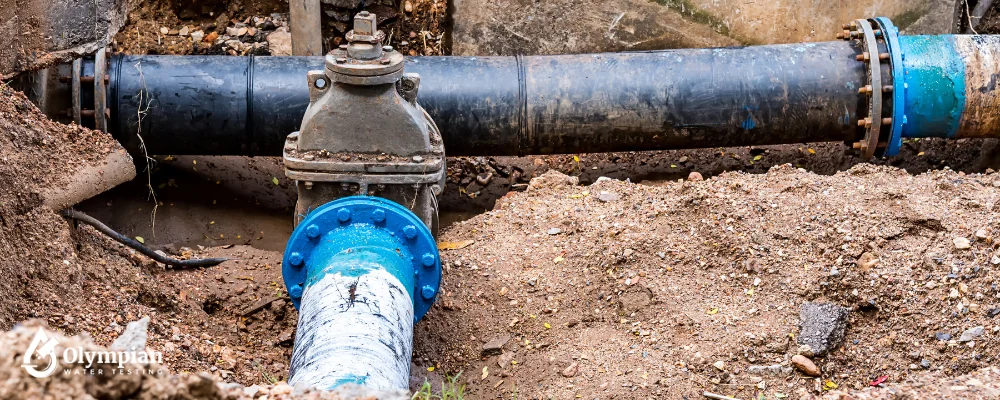
Staten Island’s water is part of the larger NYC water supply system. After collection in upstate reservoirs, the water travels through a series of aqueducts to reach the city. It’s crucial to note that this water undergoes several stages of treatment to ensure it is safe for consumption. These treatment facilities are strategically located to optimize the flow and quality of water, ensuring that every drop meets health and safety standards.
The journey from reservoir to tap involves a complex network of pipes and tunnels, some of which are deep underground. This infrastructure is regularly inspected and maintained to prevent leaks and contamination. Advanced technologies such as remote sensors and automated control systems are employed to monitor the flow and quality of water in real-time, allowing for prompt responses to any potential issues.
Water Treatment Processes
The treatment of Staten Island’s tap water follows a comprehensive protocol that includes several key processes. These processes are designed to remove impurities and pathogens, ensuring that the water is not only safe but also pleasant to drink. The treatment plants operate around the clock, employing a combination of traditional methods and cutting-edge technologies to maintain the highest standards of water quality.
The multi-barrier approach to water treatment means that multiple steps are used to catch and eliminate contaminants. This redundancy ensures that even if one method is less effective at a given time, others can compensate to maintain overall water safety. Such a robust system is essential in a densely populated area like New York City, where the demand for clean water is constant and high.
Filtration and Disinfection
The initial step in water treatment is filtration, which removes particulate matter and impurities. This process typically involves passing the water through a series of filters that trap sediments, organic materials, and other particles. Following filtration, water undergoes disinfection, typically using chlorine or UV light, to eliminate harmful microorganisms. These processes are critical in ensuring the microbiological safety of the water.
Disinfection is particularly important in preventing outbreaks of waterborne diseases, which can have severe public health implications. Chlorination has been a standard practice for over a century, providing a reliable method for killing bacteria and viruses. UV light is a newer technology that offers a chemical-free option for disinfection, adding another layer of protection to the water treatment process.
pH Adjustment and Corrosion Control
To prevent pipe corrosion and leaching of metals, the water’s pH is adjusted. This step is vital in maintaining the integrity of the distribution system and ensuring the water remains safe as it travels to consumers. Proper pH levels help reduce the risk of heavy metals, such as lead and copper, dissolving into the water from pipes.
Corrosion control is particularly important in older urban areas where infrastructure may be aging. By maintaining a stable pH, the water system can prevent the deterioration of pipes, thereby extending their lifespan and reducing the need for costly repairs. Moreover, this practice helps preserve the taste and clarity of the water, making it more appealing to consumers.
Fluoridation
New York City’s water supply, including that of Staten Island, is fluoridated. This process involves adding a small amount of fluoride to the water to help prevent tooth decay, a practice endorsed by numerous health organizations. Fluoridation has been shown to significantly reduce the incidence of cavities in the population, contributing to better overall dental health.
The decision to fluoridate the water supply is based on extensive scientific research and public health recommendations. While some individuals express concerns about the practice, the levels of fluoride added are carefully regulated and monitored to ensure safety. The benefits of fluoridation extend across all age groups, making it a valuable component of public health policy.
Water Quality Standards and Testing
Ensuring the safety of tap water in Staten Island involves adhering to stringent water quality standards. The NYC Department of Environmental Protection (DEP) conducts regular and rigorous testing of the water supply. These tests are essential in verifying that the water meets all health and safety criteria, providing reassurance to the public.
Water quality standards are designed to protect consumers from a wide range of potential hazards, including chemical contaminants, pathogens, and radiological threats. By adhering to these standards, the city can maintain public trust and confidence in its water system. Additionally, regular testing allows for the early detection of any issues, enabling swift corrective action to be taken.
Regulatory Standards
The water quality standards applied to Staten Island’s tap water are set by the Environmental Protection Agency (EPA) and the New York State Department of Health (NYSDOH). These regulations cover a range of contaminants, including microbial pathogens, chemical pollutants, and radiological hazards. Compliance with these standards is mandatory and ensures that the water is safe for all uses, from drinking to cooking to bathing.
The EPA and NYSDOH regularly update these standards to reflect the latest scientific understanding and technological advancements. This dynamic approach ensures that the regulations remain relevant and effective in safeguarding public health. The rigorous nature of these standards means that any potential risks are minimized, allowing residents to trust the quality of their water.
Regular Testing and Monitoring
NYC DEP is committed to a comprehensive water testing regime. Thousands of samples are collected annually from various points in the water supply system, including reservoirs, aqueducts, and taps across the city. These samples are analyzed for over 250 potential contaminants, ensuring any deviations from safe levels are swiftly addressed. This extensive testing program is a cornerstone of the city’s water safety strategy.
In addition to routine testing, the DEP employs advanced technologies to monitor water quality in real-time. These tools allow for continuous data collection and analysis, enabling the rapid identification of any anomalies. The combination of regular sampling and real-time monitoring provides a robust framework for ensuring the safety and reliability of the water supply.
Common Concerns and Misconceptions
Despite the robust measures in place, some residents may still have concerns about the safety of their tap water. It’s essential to address these concerns with factual information and scientific analysis. Misunderstandings about water quality can lead to unnecessary anxiety, so providing clear and accurate information is crucial for public reassurance.
Education and outreach efforts are vital in dispelling myths and misconceptions about tap water. By engaging with the community and providing transparent information, officials can build trust and confidence in the water supply system. These efforts also empower residents to make informed decisions about their water use, contributing to overall public health and safety.
Lead Contamination
One common concern is lead contamination. Lead typically leaches into water from old plumbing and service lines rather than the municipal supply itself. To mitigate this risk, NYC DEP offers free testing kits for residents to assess lead levels in their home water supply. This proactive measure helps individuals identify and address potential sources of lead in their plumbing systems.
In addition to providing testing kits, the city offers guidance on reducing lead exposure, such as flushing taps before use and using certified filters. These recommendations are part of a broader strategy to minimize lead-related health risks, particularly for vulnerable populations such as young children and pregnant women. By taking these precautions, residents can further safeguard their health and well-being.
Chlorine Taste and Odor
Some individuals may notice a chlorine taste or odor in their tap water. While this is a result of the disinfection process, it is generally harmless. For those sensitive to this, using a carbon filter can help reduce chlorine levels and improve taste. These filters are widely available and can be easily installed on kitchen faucets or pitchers.
The presence of chlorine is a testament to the effectiveness of the disinfection process, but for those who prefer a different taste, simple solutions are readily accessible. Boiling water or letting it sit uncovered for a few hours can also help dissipate the chlorine smell. Understanding these options allows residents to tailor their water consumption to their personal preferences without compromising safety.
Practical Advice for Residents
For Staten Island residents concerned about tap water safety, there are several practical steps to ensure peace of mind. These steps involve a combination of personal actions and utilizing available resources to enhance water quality and safety. By taking an active role in water management, residents can contribute to their health and the community’s well-being.
These practical measures are not only about addressing immediate concerns but also about fostering a culture of water safety awareness. By staying informed and proactive, residents can help support the city’s efforts to maintain a high-quality water supply. This collaborative approach strengthens the overall resilience of the water system, benefiting all who rely on it.
Use a Water Filter
Installing a home water filter can provide an additional layer of protection, particularly for those with concerns about lead or other specific contaminants. It’s crucial to choose a filter certified to remove the impurities in question. Filters come in various types, including activated carbon, reverse osmosis, and ion exchange, each suited to different contaminants.
When selecting a filter, residents should consider their specific needs and the types of contaminants they wish to address. Regular maintenance and replacement of filter cartridges are also essential to ensure continued effectiveness. By investing in a quality filter, households can enjoy cleaner, better-tasting water with added peace of mind.
Regularly Test Home Water
Taking advantage of free testing services offered by NYC DEP can help identify any potential issues with home plumbing. Regular testing is particularly important in older homes with outdated plumbing systems. This proactive approach allows residents to detect problems early and take corrective action before they become significant.
In addition to using city-provided testing kits, residents can also engage private laboratories for more comprehensive analyses. Understanding the results and taking appropriate measures, such as replacing old pipes or installing filters, can significantly reduce health risks. Empowering residents with these tools and knowledge is a crucial step in ensuring safe water for all.
Stay Informed
Keeping informed about the latest water quality reports and updates from NYC DEP ensures residents are aware of any changes or advisories related to their water supply. Regularly reviewing these reports can help individuals stay up-to-date on potential issues and the city’s efforts to address them. Knowledge is power, and staying informed is a key component of water safety.
The NYC DEP provides numerous resources, including online updates, newsletters, and community meetings, to keep residents informed. Engaging with these resources allows residents to participate actively in discussions about water quality and contribute to community advocacy efforts. By staying connected, individuals can play a vital role in maintaining and enhancing the safety of their water supply.
Conclusion
In conclusion, Staten Island’s tap water is generally safe to drink, thanks to a robust system of sourcing, treatment, and rigorous quality assurance. The city’s commitment to maintaining high standards of water quality is evident in its comprehensive management strategies and investment in infrastructure. While concerns about specific contaminants like lead can arise, they are typically related to home plumbing rather than the municipal supply.
By staying informed and taking practical precautions, residents can confidently enjoy the benefits of one of the world’s most well-regarded urban water systems. The collaborative efforts between the city, scientists, and the community ensure that Staten Island continues to have access to clean and safe drinking water. As challenges evolve, ongoing vigilance and innovation will be key to sustaining this vital resource for generations to come.
Share this on social media:
Facebook
Twitter
LinkedIn

Related Posts