The Microplastic Menace: The Growing Threat to Our Water Supply
- Published:
- Updated: January 16, 2025
Listen to this article
Summary
Microplastics, minute plastic particles infiltrating water supplies, pose grave risks to health and ecosystems. Key points include: Microplastics, minute plastic particles infiltrating water supplies, pose grave risks to health and ecosystems. Key points include: their ability to absorb harmful chemicals, which can then enter the food chain, and the increasing prevalence of these particles in various water sources worldwide. The presence of microplastics in drinking water has raised significant concerns among scientists and health experts, as these tiny pollutants may lead to unknown long-term health effects on humans and wildlife alike. Moreover, the widespread contamination challenges our water filtration systems and calls for urgent action to mitigate this growing environmental threat.
- Microplastics originate from various sources like single-use plastics and microbeads in personal care products.
- They can accumulate toxins, harming aquatic life and potentially contaminating drinking water.
- Exposure risks include plastic toxicity, bioaccumulation, food contamination, and endocrine disruption.

Microplastics are small bits of plastic that end up more and more often in our drinking water, becoming a health and environmental hazard for people and the environment alike. They may originate from household cleaners, clothes, packaging and can contain chemicals and germs. It’s concerning to see microplastics in our water, since they can affect the quality and safety of our drinking water and potentially damage fishes and aquatic life. We can learn more about the microplastic crisis and how our water is increasingly being threatened by it, and find a solution that’s both healthy and green.
Understanding Microplastics
Microplastics are particles of plastic less than 5 mm in diameter and has become an issue in recent years. They are generated by everything from disposable plastics, degraded large plastic goods to microbeads in toothpaste and scrubs. Microplastics aren’t biodegradable, meaning they remain on the planet for a very long time and might one day trickle into our water supply.
Microplastics are extracted from a variety of sources: everyday items, such as single-use plastics, like plastic bags and water bottles, or microbeads in personal care products. These microbeads are among the most stubborn microplastics, and nearly impossible to flush from the environment. And there’s synthetic clothing that helps in the microplastic trap because it loses its tiny plastic fibres when washed, eventually floating in the water supply. We must know where the microplastics come from to eliminate them from the environment and save our water supply.
The impact of microplastics on water supply

These microplastics are the problem with the water supply and the water quality and health of the life around it. Small plastic bits can pick up toxic chemicals from the air, and they can subsequently be consumed by marine life and perhaps even eaten by them. That can be catastrophic for the ecosystem, as well as for seafood-eating humans.
Beyond the life in water, microplastics are affecting our drinking water as well. They have been discovered in the water from our taps, in our bottled water, and in the drinking water of some developed nations. That’s concerning because it’s still unknown how microplastics behave over time after we eat them.
What are the dangers of microplastics to human health?
Microplastics — tiny plastic pieces less than 5 microns in size — can cause health problems in humans. These are just a few of the main risks of microplastics:
Toxicity of plastic: There are chemicals (additives and contaminants) in microplastics that are harmful to humans and wildlife.
Bioaccumulation: Microplastics can bioaccumulate in the food chain i.e. accumulate in the tissues of animals like humans over time.
Contamination of food: Microplastics have been detected in seafood, table salt and water sources that can be a source of exposure to toxins.
Reversible hormone disruption: Some of the chemicals in microplastics, like bisphenol A (BPA), are known to interfere with the hormonal functions.
Injury to the immune system: Microplastics have been implicated in damage to the immune system, and in a host of other medical issues including reproductive and developmental harms.
We aren’t yet at a position to know exactly how dangerous microplastics can be for human health, but it is safe to say that contact with microplastics has damaging health effects. To avoid microplastic exposure, we need to decrease single-use plastics, recycle plastic responsibly, and encourage the creation of new technologies to remove microplastics from water and other products.
The role of consumer products in the proliferation of microplastics
Microplastics are very much rampant in consumer goods. Microplastics in disposable plastics – plastic bags and water bottles, for example – are especially prolific, as they can readily be broken down into microplastics.
So make-up and clothing is contributing to the microplastics issue too. Microbeads (the stuff you find in beauty products) are among the most long-lived microplastics and practically indestructible from nature. Synthetic clothing, however, dislodges little pieces of plastic fibre as they wash, and these end up in the water.
The efforts to mitigate the microplastic menace
States, corporations and citizens are doing everything in their power to minimise the use and production of microplastics. Some have banned microbeads in bath products, others have imposed taxes on disposable plastics. Corporations are doing too, with some promising to introduce sustainable packaging and eliminate microbeads in their products.
And you can do your part too by leaving fewer plastic bags behind. Having a reusable water bottle, carrying a reusable bag to the supermarket, and buying products that aren’t microbeads can help make a difference in how much plastic gets put out into the world.
The challenges in cleaning up microplastics
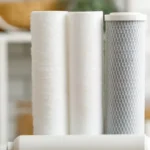
It is impossible to clean micro plastics out of the water supply because the small plastic pieces are practically impossible to remove by standard cleaning techniques. Currently available methods (eg, filtration and sedimentation) don’t remove microplastics, because the particles are too small to fit easily in the filters.
Moreover, there is so much microplastics in the water supply that it is difficult to get rid of all the particles. It’s not as if the plastic bits are scattered throughout the water, you can’t wash them out. Hence, we have to work on minimising microplastic production and use to prevent further contamination of the water supply.
What actions can be taken to address the problem of microplastics?
Everyone can be an active participant in the microplastics fight by taking simple action to decrease plastic consumption. Below are just a few of the ways people can help:
Use a reusable water bottle: Don’t waste your plastic water bottles; instead use a reusable water bottle that is made from a sustainable material.
Buy a reusable bag to shop with: Bags are a main producer of microplastics, so buy a reusable bag when shopping to help keep plastic from going into the waste stream.
Find products that don’t have microbeads: Try to find cosmetics and personal care items that aren’t loaded with microbeads, a form of microplastics that stick.
Encourage companies that use sustainable packaging: Encourage companies who choose to use more sustainable packaging, because this can lower the amount of plastic that goes into the landfill.
Minimize, reuse, recycle: Minimise your total plastic consumption, reuse plastic products where possible, and recycle plastic products safely so they don’t end up in the landfill.
The future of microplastics and their impact on water supply
The future of microplastics and the effects on water supplies is at stake, as plastic is being manufactured and used at an exponential rate. If we don’t do much to stop microplastic production and use, they will continue to enter the water supply in the years ahead.
That’s concerning, since it is too early to say how microplastic consumption might be affected over time. People, governments and businesses should do something to minimise microplastics production and usage so that we can preserve the water supply and the environment for the generations to come.
Share this on social media:
Facebook
Twitter
LinkedIn

Related Posts