Overview of Tap Water Quality in South Carolina
In South Carolina, municipal water treatment plants aim to deliver safe drinking water to residents. About 78 percent of the state’s population gets their water from public systems. These systems are overseen by the South Carolina Department of Health and Environmental Control (DHEC) to meet EPA standards. They must test their water regularly and treat it if necessary.
The Bureau of Water monitors several contaminants in public drinking water. These include:
- Arsenic
- Atrazine
- Disinfection byproducts
- Nitrate
- Combined radium 226/228
- Tetrachloroethylene
- Trichloroethylene
- Uranium
Despite efforts, issues can occur. Contaminants may enter the water, or treatment might not be effective. South Carolina water regulations aim to address these problems and protect drinking water quality.
Fiscal year 2024 will see extensive water tests in federally owned facilities in South Carolina. The strategy includes testing for lead, copper, and bacteria. It follows guidelines from ASHRAE and EPA regulations. This approach aims to reduce bacteria and metal releases in water systems.
Parameter | Regulatory Limit | Typical Range in SC |
Chlorine Levels | 4.0 mg/L (Maximum Residual Disinfectant Level) | 0.2-2.0 mg/L |
Water Hardness | No federal limit (Secondary Standard) | 50-250 mg/L (Moderately Hard to Very Hard) |
Lead | 15 ppb (Action Level) | <1-5 ppb |
Copper | 1.3 ppm (Action Level) | 0.05-0.5 ppm |
Managing Legionella, bacteria, lead, and copper requires quick action and follow-up tests. If there’s a health risk, temporary measures like bottled water may be needed. The goal is to protect the health and safety of those in GSA-controlled spaces.
South Carolina Department of Environmental Services (SCDES) and Water Quality Standards
The South Carolina Department of Environmental Services (SCDES) is key in protecting the state’s drinking water. It enforces drinking water regulations and water quality standards. This ensures the water people drink is safe and healthy, through collaboration with public water systems.
Role of SCDES in Enforcing Drinking Water Regulations
The SCDES oversees compliance with federal and state drinking water regulations. It sets and maintains water quality standards, including lead action levels and biological standards. Public water systems must test their water regularly and report the findings to the SCDES.
If lead levels hit 15 parts per billion (ppb) or 0.015 mg/L, the system must act. They must control corrosion and educate customers on reducing lead exposure.
The SCDES also monitors other aspects of drinking water regulations:
- Public education for systems with high lead levels
- Submission of extra water samples within 30 days of a high reading
- Lead testing, usually every six months or annually
- Calculating the 90th percentile of samples to check compliance
South Carolina’s High Compliance with Chemical and Biological Standards
Thanks to the SCDES and public water systems, South Carolina meets chemical and biological standards well. The state’s water systems consistently meet or exceed federal lead action levels and other water quality standards.
For instance, the City of Walhalla’s water recently showed no bacteria, like E. coli and H. Pylori. This shows they follow biological standards. The city has also spent over $10,000,000 on water and sewer upgrades to fix issues like discoloration from Lake Keowee.
By teaming up with public water systems and enforcing strict drinking water regulations, the SCDES makes sure residents can rely on their tap water’s safety and quality.
Common Reasons for Drinking Water Issues
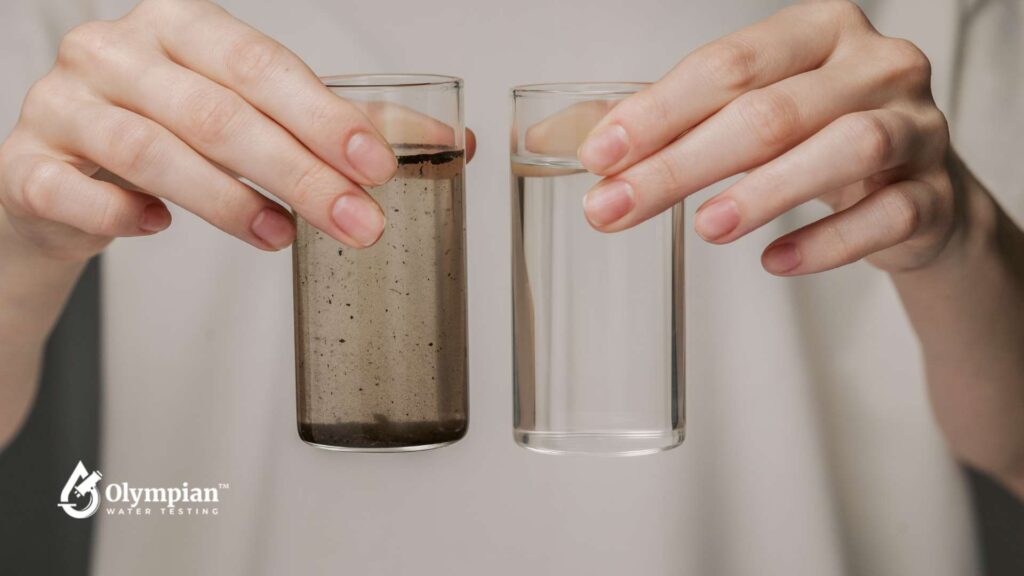
Despite the efforts of water treatment facilities and regulatory agencies, drinking water issues can occur. These problems can arise from various sources. They include the source water, the distribution system, the treatment process, or issues within home plumbing.
Contaminants in the Source Water
Contaminants in the source water are a common cause of drinking water issues. These contaminants can include:
- Microorganisms such as bacteria, viruses, and parasites
- Chemicals from agricultural runoff, industrial discharges, or natural sources
- Radiological contaminants from natural or man-made sources
Poorly Maintained Distribution Systems

Poorly maintained water distribution systems can also lead to drinking water issues. Over time, pipes, valves, and storage tanks can deteriorate. This can result in:
- Leaks that allow contaminants to enter the water supply
- Corrosion that releases metals like lead and copper into the water
- Biofilm growth that can harbor harmful microorganisms
Inadequate Water Treatment or Disinfection
If water treatment processes are not properly maintained, they may fail to remove all water contaminants effectively. This can lead to:
- Incomplete removal of microorganisms, chemicals, or other pollutants
- Formation of disinfection byproducts when chlorine or other disinfectants react with organic matter in the water
- Inadequate monitoring or adjustment of treatment processes to account for changes in source water quality
Problems Caused by Home Plumbing Systems

Even if the water meets safety standards, home plumbing can introduce new contaminants. Common issues include:
- Lead leaching from old pipes, solder, or fixtures
- Copper corrosion due to acidic water or other factors
- Bacterial growth in poorly maintained plumbing or water heaters
Between 2015 and 2020, public health officials from 28 states reported 214 outbreaks linked to drinking water. Of these, 187 (87%) were biofilm-associated, 24 (11%) were enteric illness-associated, two (1%) were of unknown etiology, and one (1%) was chemical or toxin-related.
The following table summarizes the key statistics related to drinking water outbreaks from 2015-2020:
Outbreak Category | Number of Outbreaks | Percentage |
Biofilm-associated | 187 | 87% |
Enteric illness-associated | 24 | 11% |
Unknown etiology | 2 | 1% |
Chemical or toxin-related | 1 | |
Total | 214 | 100% |
To minimize the risk of exposure to contaminants, it is essential for water utilities, regulatory agencies, and homeowners to work together. Regular testing, monitoring, and maintenance of water systems can help identify and address issues before they cause serious health problems.
Signs and Effects of Common Drinking Water Contaminants
Drinking water contaminants can lead to various health effects and raise concerns about water quality. Common signs include unusual tastes, odors, and stains on plumbing fixtures. Bacteria in water may cause gastrointestinal illness, while chlorides can give water a salty taste.
Copper concentrations above 1.3 mg/l can result in a blue-green stain and a bitter taste. Short-term exposure causes stomach cramps, and long-term exposure may lead to liver and kidney damage.
Excessive fluoride exposure in children can cause white or brown spots on teeth, affecting teeth when water is used for cooking and drinking. Hard water, characterized by soaps that do not lather, can form a chalky scale when heated but is not considered a health hazard. The presence of hydrogen sulfide is indicated by a rotten egg odor and can accelerate the corrosion of metal plumbing materials.
Iron and manganese can impart a bitter, metallic taste and cause staining, though normal well levels are not harmful. Lead exposure is a significant concern, affecting high-risk groups such as pregnant women, fetuses, infants, and young children. It can cause damage to the brain, nervous system, and kidneys.
Nitrate can cause shortness of breath and blueness of skin in infants, while healthy adults may experience little effect even at large quantities. High levels of radium in drinking water over a lifetime may increase cancer risk, though there are no immediate signs or symptoms.
Contaminant | Signs and Effects |
Bacteria | Gastrointestinal illness |
Chlorides | Salty taste |
Copper | Blue-green stains, bitter taste, stomach cramps, liver and kidney damage |
Fluoride | White or brown spots on teeth |
Hardness | Chalky scale, reduced water heater capacity |
Hydrogen Sulfide | Rotten egg odor, corrosion |
Iron and Manganese | Bitter taste, stains |
Lead | Damage to brain, nervous system, kidney, red blood cells |
Nitrate | Oxygen deficiency, shortness of breath, blueness of skin |
Radium | Increased cancer risk |
Sodium | Salty or bitter taste, increased blood pressure |
Total Dissolved Solids (TDS) | Various tastes, laxative effect, plumbing and appliance deterioration |
Regular water testing can help identify the presence of these contaminants and guide decisions on appropriate water treatment solutions. By understanding the health effects and signs of common drinking water contaminants, individuals can take proactive steps to ensure the safety and quality of their water supply.
High-Risk Groups and Sensitive Populations
Ensuring safe drinking water is vital for everyone, but some groups face greater risks. These sensitive populations need extra care to avoid health problems. This is due to contaminants like lead and nitrate exposure.
Pregnant Women, Fetuses, and Infants
Pregnant women, fetuses, and infants are highly vulnerable to water contaminants. Lead exposure can cause stunted growth, premature birth, and developmental issues in children. High nitrate levels in water can lead to methemoglobinemia, or "blue baby syndrome," in infants. This condition is dangerous and affects the blood’s oxygen-carrying ability.
Young Children and Individuals with Specific Health Conditions
Young children and those with certain health conditions are also at risk. Children’s bodies are developing, making them more sensitive to lead and nitrate exposure. People with reduced stomach acid or a genetic condition may be more affected by nitrates in water.
Sensitive Population | Contaminants of Concern | Potential Health Effects |
Pregnant Women and Fetuses | Lead, Nitrate | Reduced fetal growth, preterm birth, developmental delays |
Infants | Nitrate | Methemoglobinemia ("blue baby syndrome") |
Young Children | Lead, Nitrate | Developmental delays, learning difficulties |
Individuals with Reduced Gastric Acidity | Nitrate | Increased risk of methemoglobinemia |
Individuals with Hereditary Lack of Methemoglobin Reductase | Nitrate | Increased risk of methemoglobinemia |
To safeguard these sensitive populations, regular water quality checks are essential. Steps to reduce harmful contaminant exposure are also critical. This includes using certified water filters, testing private wells, and staying updated on local water quality.
Lead and Nitrate/Nitrite: Contaminants of Concern for High-Risk Groups
Lead and nitrate are contaminants that significantly threaten the health of vulnerable groups. These include pregnant women, fetuses, infants, and young children. Lead in water can harm the brain, nervous system, kidneys, and red blood cells. On the other hand, nitrate in water can cause severe oxygen deficiency and even death in high-risk individuals.
Exposure to these contaminants can have severe health effects on sensitive populations. Infants under four months are at the highest risk for methemoglobinemia, also known as blue-baby syndrome, when exposed to nitrate levels above the federal standard of 10 parts per million (ppm). Between 1986 and 1995, over 15,000 infants drank water from systems that violated this standard at least once.
The issue of nitrate contamination is widespread, affecting millions of people across the United States. Consider these alarming statistics:
Statistic | Value |
People who drank water from systems violating federal nitrate standards from 1985 to 1995 | 2,162,860 |
Additional people drinking water from nitrate-contaminated private wells | 3,800,000 |
People in California drinking from nitrate-contaminated water systems | 8,700,000 |
Annual cost to protect infants from nitrate-contaminated water | $200 million |
South Carolina is not immune to this problem, with 10 water systems reported in violation, affecting a population of 395. While the state’s numbers may seem small compared to other regions, any exposure to lead in water or nitrate in water is cause for concern. This is due to the severe health effects on sensitive populations.
Protecting these high-risk groups from the dangers of lead and nitrate contamination should be a top priority. Water providers and public health officials must address the sources of contamination and ensure proper water treatment. This way, we can work towards providing safe, clean drinking water for all, with a special focus on the most vulnerable among us.
Testing Your Drinking Water
Ensuring the safety and quality of your drinking water is vital for your health and well-being. If you notice changes in taste, odor, or appearance, it’s time to test your water. Water quality testing can identify contaminants and address drinking water concerns.
When to Consider Having Your Water Tested
There are several situations where you should consider water testing:
- If you notice a change in the taste, smell, or color of your tap water
- If you live in an area with known water quality issues
- If you have an older home with lead pipes or fixtures
- If you rely on a private well for your drinking water
- If you or someone in your household is pregnant, nursing, or has a compromised immune system
How to Get Your Water Tested
Deciding to have your water tested? Several water testing procedures are available:
- Contact your local health department: Many health departments offer water testing services or can provide information on certified laboratories in your area.
- Hire a certified laboratory: Look for a laboratory that is certified by your state or the Environmental Protection Agency (EPA) to perform water quality tests.
- Use a home water testing kit: While not as detailed as professional tests, home testing kits can give a general idea of your water quality.
When testing your water, it’s key to follow proper sampling procedures for accurate results. The table below outlines common contaminants and their health effects:
Contaminant | Potential Health Effects |
Lead | Developmental delays, learning difficulties, kidney problems |
Nitrate | Methemoglobinemia (blue baby syndrome) in infants |
Arsenic | Skin damage, circulatory problems, increased cancer risk |
Total Trihalomethanes (TTHMs) | Liver, kidney, or central nervous system problems; increased cancer risk |
"Access to safe drinking water is essential to public health. Regular water quality testing and addressing any identified concerns can help protect the well-being of individuals and communities."
By being proactive about water quality testing and addressing any drinking water concerns, you can ensure the water you and your family consume is safe and healthy. Don’t hesitate to reach out to professionals for guidance on water testing procedures and interpreting the results.
EPA’s Secondary Drinking Water Regulations
The Environmental Protection Agency (EPA) has set primary drinking water standards to safeguard public health. Yet, they’ve also established secondary regulations for the aesthetic and cosmetic aspects of water quality. These secondary drinking water regulations outline guidelines for managing contaminants that might affect water’s taste, odor, color, and appearance. These contaminants do not pose significant health risks.
The EPA’s secondary standards are advisory, not legally binding. They serve as recommendations for public water systems to maintain water quality guidelines. By following these guidelines, water providers can ensure their customers receive water that is safe and pleasing in taste, smell, and appearance.
Guidelines for Cosmetic and Aesthetic Effects
The secondary drinking water regulations address various aesthetic effects that can influence the palatability and consumer acceptance of drinking water. Key aspects covered include:
- Taste and odor: Certain minerals, such as iron and manganese, can impart unpleasant tastes or odors to drinking water.
- Color: Dissolved organic matter or specific minerals can cause water to appear yellowish, brownish, or reddish in color.
- Hardness: High levels of calcium and magnesium can contribute to the formation of scale deposits in plumbing fixtures and appliances.
- Corrosivity: Water with low pH or high mineral content can corrode pipes and fixtures, leading to leaching of metals into the water supply.
The table below presents common contaminants addressed by the EPA’s secondary drinking water regulations and their recommended maximum levels:
Contaminant | Secondary Maximum Contaminant Level (SMCL) |
Aluminum | 0.2 mg/L |
Chloride | 250 mg/L |
Copper | 1.0 mg/L |
Fluoride | 2.0 mg/L |
Iron | 0.3 mg/L |
Manganese | 0.05 mg/L |
pH | 6.5-8.5 |
Sulfate | 250 mg/L |
Total Dissolved Solids (TDS) | 500 mg/L |
Zinc | 5 mg/L |
By monitoring and managing these contaminants, public water systems can provide their customers with drinking water that meets safety standards and consumer preferences for taste, odor, and appearance.
Contaminants Detected in South Carolina’s Tap Water
South Carolina’s tap water quality has become a pressing issue for residents. Various water contaminants have been detected in the state’s water supply. These contaminants include chemicals that have exceeded or fallen below the health guidelines set by federal and state public health authorities.
In Georgetown County, the water supply contains "forever chemicals" known as PFAS. These pose a danger to approximately 38,500 residents. The levels of PFAS detected in the Pee Dee and Waccamaw rivers exceed the Environmental Protection Agency’s (EPA) Health Advisory, Maximum Contaminant Levels (MCL), and Maximum Contaminant Level Goals (MCLG).
The EPA has set limits for six kinds of PFAS that water utilities must comply with by 2029. More than 20 defendants, including major manufacturers such as 3M, Dupont, and Daikin America, are named in lawsuits related to PFAS contamination. Darling Fibers, for example, releases wastewater containing PFAS into Black Creek, which flows into the Pee Dee River upstream from where Georgetown draws water.
The city of Georgetown seeks compensation for increased capital and operating expenses related to PFAS removal from drinking water and wastewater. The lawsuits filed cite multiple causes for action, including negligence and public nuisance. This reflects ongoing legal issues related to PFAS contamination across the state and country.
Horry County’s drinking water provider is also suing 14 companies for contaminating the source of raw water with PFAS. The federal government will regulate six PFAS chemicals in public drinking water systems starting in 2029. Maximum allowable concentrations will range from 4 parts per trillion to 10 parts per trillion. Approximately 10% of the nation’s potable water systems, about 6,600 systems, will require advanced water filtration technologies to comply with new regulations.
GSWSA’s Bull Creek water treatment facility, which serves 115,000 customers, has found that its water sources contain PFAS levels exceeding the proposed regulatory limits set to take effect in 2029. Advanced treatment processes will be required at GSWSA’s two surface water treatment plants to comply with new EPA standards. PFAS contamination has been identified in several rivers and water bodies, including the Great Pee Dee River, Waccamaw River, and Bull Creek.
The lawsuit seeks damages for the acquisition, installation, and operation of special water treatment technology to remove PFAS. GSWSA has been testing various treatment technologies to find the most effective method for PFAS removal at its treatment plants.
Chemicals Exceeding EWG-Selected Health Guidelines
From 2021 to 2023, some chemicals in South Carolina’s tap water exceeded health guidelines set by the Environmental Working Group (EWG). These guidelines are based on federal or state health standards. They aim to protect consumers from health risks linked to water contaminants.
Haloacetic Acids (HAA5 and HAA9)
In South Carolina’s tap water, HAA5 and HAA9 haloacetic acids exceeded EWG health guidelines. HAA5 includes five acids: monochloroacetic acid, dichloroacetic acid, trichloroacetic acid, monobromoacetic acid, and dibromoacetic acid. HAA9 adds four more acids to HAA5, including bromochloroacetic acid, bromodichloroacetic acid, chlorodibromoacetic acid, and tribromoacetic acid.
Total Trihalomethanes (TTHMs)
South Carolina’s tap water also had TTHMs above EWG health guidelines. TTHMs are made up of four chemicals: bromodichloromethane, bromoform, chloroform, and dibromochloromethane. They form when chlorine reacts with organic matter in the water, a common result of treatment.
The high levels of these chemicals highlight the need for regular water testing and effective treatment. Consumers can look into water filtration options to lower their exposure to harmful contaminants in their tap water.
Other Detected Contaminants in South Carolina’s Tap Water
From 2021-2023, some contaminants in South Carolina’s tap water exceeded health guidelines. These include Haloacetic Acids (HAA5 and HAA9) and Total Trihalomethanes (TTHM). Yet, a range of other water contaminants were found at levels below the health guidelines. These guidelines are set by federal or state health authorities to measure water quality and safety.
Detected chemicals include various disinfection byproducts, radiological contaminants, and substances linked to cancer and developmental issues. Even though they are below legal limits, their presence may concern the quality of South Carolina’s tap water.
Notably, 55% of South Carolina water systems reported 1,4-dioxane, a probable carcinogen, in drinking water. This is the highest percentage in the nation, more than double the national average. Industrial facilities have discharged levels of 1,4-dioxane significantly higher than recommended.
Contaminant | Percentage of SC Water Systems Affected | National Average |
1,4-dioxane | 55% | 27.5% |
The presence of these water contaminants, even below health guidelines, highlights the need for regular tap water quality testing. It also emphasizes the importance of monitoring and treatment. South Carolina residents can make better choices about water filtration and treatment by knowing about the detected chemicals in their water. This ensures the safety and quality of their drinking water.
Chemicals Tested for but Not Detected
In a detailed study of South Carolina’s tap water, 134 distinct water contaminants were examined but not found. These undetected chemicals include solvents, pesticides, and heavy metals. Notably, hazardous substances like 1,1,1,2-Tetrachloroethane, 1,1,1-Trichloroethane, Arsenic, Cadmium, and Mercury (inorganic) were tested for.
The absence of these contaminants in the water testing results is a positive sign for tap water safety in South Carolina. Yet, it’s vital to continue testing to ensure drinking water remains safe. The contaminants were tested for between 2018 and 2023, with some tested as recently as 2023.
The South Carolina Department of Environmental Services (SCDES) offers services for testing residential wells. Fees apply for samples collected by individuals and sent for analysis. The costs include:
- $20 for a coliform bacteria test
- $50 for a metals and minerals analysis
- $25 for each additional inorganic parameter added to the metals and minerals analysis
Those over 65 or on public assistance can get one coliform bacteria test and one metals and minerals analysis annually for free. Coliform bacteria test results take 2 to 3 weeks, while metals and minerals analysis results take 6 to 8 weeks.
Common Metals and Minerals Analyzed |
Alkalinity |
Calcium |
Chloride |
Copper |
Hardness |
Iron |
Lead |
Magnesium |
Manganese |
Nitrate/Nitrite |
pH |
Zinc |
Coliform bacteria, while common and generally not harmful, are tested for E. coli if found. SCDES does not regulate private wells but offers free testing for the first coliform bacteria test for well owners with a permit.
With the US EPA’s new PFAS limits, Greenville Water has tested for PFAS chemicals continuously, finding none. Greenville Water tests over 25,000 samples yearly, including for PFAS and PFOA. Its water quality meets the new EPA standards, and its reservoirs are free from industrial contaminants that could indicate PFAS presence.
Finding the Right Water Filter for Your Needs
Ensuring safe and clean drinking water is a top priority. The right water filter is essential. With many water treatment options, it’s vital to match your needs with the contaminants in your water. This way, you can pick the perfect water filtration solution for your home.
Exploring Filter Options for Specific Contaminants
Each water filter technology targets different pollutants. Activated carbon filters are great for removing chlorine, sediment, and harmful chemicals. On the other hand, reverse osmosis systems can block up to 99% of contaminants, ensuring pure water. Ion exchange filters, effective against hard water, are common in 85% of U.S. homes, protecting appliances and plumbing.
Filter Technology | Contaminants Removed | Efficiency |
Activated Carbon | Chlorine, Sediment, Chemicals | High |
Reverse Osmosis | Wide Range of Contaminants | Up to 99% |
Ion Exchange | Hard Water Minerals | Effective |
Choosing the Best Water Treatment Solution
To find the best water treatment solution, consider several factors:
- Identify the specific contaminants in your tap water through testing
- Research filters that effectively remove these contaminants
- Consider the size and type of system needed (e.g., whole-house, under-sink, or countertop)
- Look for third-party certifications that meet ANSI/NSF standards
- Evaluate the cost, maintenance, and filter replacement frequency of each option
Installing a whole-house water filtration system can improve water quality at every tap, benefiting all household activities, including cooking and bathing.
Investing in the right water filter ensures cleaner, safer drinking water. It can also save you money on bottled water and extend the life of your plumbing and appliances.
tap water quality south carolina
In South Carolina, tap water quality is generally excellent, with most systems adhering to strict chemical and biological standards. The South Carolina Department of Health and Environmental Control (DHEC) ensures public water systems meet or exceed these standards. This effort guarantees safe, clean drinking water for all residents across the state.
Despite this, contaminants can sometimes be found in tap water, with some levels exceeding health guidelines. In areas like Horry and Georgetown counties, the presence of 1,4-Dioxane in drinking water has been detected at levels above the Environmental Protection Agency’s (EPA) health advisory. This highlights the need for regular testing and prompt action to maintain the safety of South Carolina’s tap water.
Conversely, some water systems in the state stand out for their exceptional quality. Greenville Water, serving over 500,000 residents in the Upstate, has earned multiple "Best Taste" awards. It sources water from pristine reservoirs and employs advanced treatment technologies to ensure top-notch quality for its customers.
Water System | Service Area | Water Sources | Compliance Status |
Greenville Water | Upstate South Carolina | Table Rock Reservoir, North Saluda Reservoir, Lake Keowee | Meets all EPA standards |
Horry and Georgetown Counties | Coastal South Carolina | Waccamaw River, Bull Creek | 1,4-Dioxane detected above health advisory levels |
To safeguard public health and maintain the safety of South Carolina’s tap water, residents must stay informed about local water quality. It’s vital to regularly review annual water quality reports and consider contaminant testing if concerns arise. Advocating for strict enforcement of drinking water regulations is also essential for upholding high standards of water safety and drinking water quality across the state.
Additional Resources and Information
For a deep dive into tap water quality, safety, and regulations in South Carolina, residents have access to a wealth of drinking water resources. Government agencies and non-profit organizations offer a wealth of information. The South Carolina Department of Environmental Services (SCDES) and the Environmental Protection Agency (EPA) provide detailed insights into water quality. This empowers consumers to make informed choices about their tap water.
These resources shed light on contaminants in drinking water, their health impacts, and the need for regular testing and treatment. By staying informed and proactive, South Carolina residents can safeguard their tap water. This ensures the well-being of their families. Consumer education is key to promoting water safety and maintaining high drinking water standards.
Organizations like the Environmental Working Group (EWG) also contribute by providing accurate, timely information on tap water quality and contaminants. By utilizing these resources and engaging in discussions about water safety, South Carolina residents can help create a healthier, more sustainable future for their communities.
FAQ
Is tap water in South Carolina safe to drink?
South Carolina’s water systems meet high standards for drinking water quality. Yet, issues can arise from contaminants, system maintenance, treatment, and home plumbing problems.
What role does the South Carolina Department of Environmental Services (SCDES) play in ensuring safe drinking water?
The SCDES enforces drinking water standards and works with systems to ensure safety. They focus on compliance with chemical and biological standards, as well as federal lead levels.
What are some common signs of drinking water contamination?
Changes in taste, odor, or appearance can signal contamination. Specific contaminants may cause symptoms like gastrointestinal illness or a bitter taste.
Who is at a greater risk of experiencing health effects from certain drinking water contaminants?
Pregnant women, fetuses, infants, young children, and those with certain health conditions face higher risks. Lead and nitrate/nitrite are particular concerns.
What should I do if I suspect my drinking water is contaminated?
If your water changes, consider testing it. Contact your local health department or a certified lab for testing information.
What are the EPA’s Secondary Drinking Water Regulations?
The EPA’s Secondary Regulations address contaminants affecting taste, odor, color, and minerals. These guidelines aim to maintain water’s aesthetic quality.
What contaminants have been detected in South Carolina’s tap water?
In 2021-2023, South Carolina’s tap water showed high levels of certain chemicals. Haloacetic acids and total trihalomethanes exceeded health guidelines. Other contaminants were detected at lower levels but are also concerning.
How can I address concerns about tap water quality in my home?
To address concerns, consider water filters tailored to remove specific contaminants. Activated carbon, reverse osmosis, and ion exchange can effectively reduce contaminants. Researching and understanding your tap water’s contaminants helps choose the right filter.
Where can I find more information on tap water quality, safety, and regulations in South Carolina?
For more information, visit the South Carolina Department of Environmental Services (SCDES), Environmental Protection Agency (EPA), and Environmental Working Group (EWG) websites. These resources provide insights into contaminants, health effects, testing, and treatment options.