The Importance of Regular Rooftop Water Tower Maintenance
Regular rooftop maintenance is essential for the safety and quality of water in rooftop water towers. Routine inspections and maintenance tasks prevent costly repairs and protect tenant health. This is vital for building owners and property managers.
Water quality monitoring is a critical part of maintenance. Basic tests, like the ‘HACH’ test, should be done in the first year and then regularly. Proper maintenance ensures water quality meets standards, avoiding contamination and water loss.
Ensuring Water Quality and Safety
To keep water quality and safety high, several tasks are necessary:
- Check for sediment buildup and remove any accumulated sludge
- Inspect the tank’s interior and exterior for signs of rust, corrosion, or damage
- Ensure that all vents and access points are properly sealed to prevent contamination
- Test the water quality periodically to detect any issues
In cold climates, like North Dakota, water towers use heating systems to prevent freezing. This includes wrapping the riser pipe with heat tape, adding insulation, and installing heating systems in adjacent buildings. Ice may form on the water’s surface but doesn’t freeze completely, allowing use during winter.
Preventing Structural Damage and Leaks
Structural integrity is key in rooftop water tower maintenance. Regular inspections help identify and address issues like:
- Cracks or leaks in the tank walls or foundation
- Corrosion or rust on metal components
- Damage to the tank’s insulation or protective coatings
- Loose or missing bolts, rivets, or other fasteners
The cost of building suitable tanks and roofing can be high. Regular maintenance extends the system’s lifespan and avoids expensive repairs or replacements.
| Maintenance Task | Frequency |
|---|---|
| Basic water quality testing (e.g., ‘HACH’ test) | During the first year and periodically thereafter |
| Check for sediment buildup and structural integrity | Regularly during inspections |
| Metal tank painting to prevent corrosion | Annually |
| Maintenance checks for rooftop rainwater harvesting systems | After any dry period lasting more than one month |
Following a regular maintenance schedule ensures tank safety compliance. It provides safe, clean water for tenants and residents.
Common Issues Found During Water Tower Inspections
Regular inspections of rooftop water towers are essential for spotting and fixing problems that can harm water quality and the structure’s integrity. These checks often uncover common issues that need quick action to avoid further damage. This ensures the water storage system operates safely and efficiently.
Sediment and Sludge Buildup
During water tower inspections, sediment and sludge at the tank’s bottom are frequently found. These substances settle over time, creating thick layers that can harbor harmful bacteria. This buildup not only reduces the tank’s capacity but also clogs pipes and valves, affecting the water system’s performance.

Rust and Corrosion
Rust on water tower components, like pipe openings and support brackets, is another common issue. Corrosion weakens the tank, causing leaks and potentially leading to failure. To prevent this, regular maintenance, including protective coatings, is vital for the tank’s longevity.
Cracks and Leaks
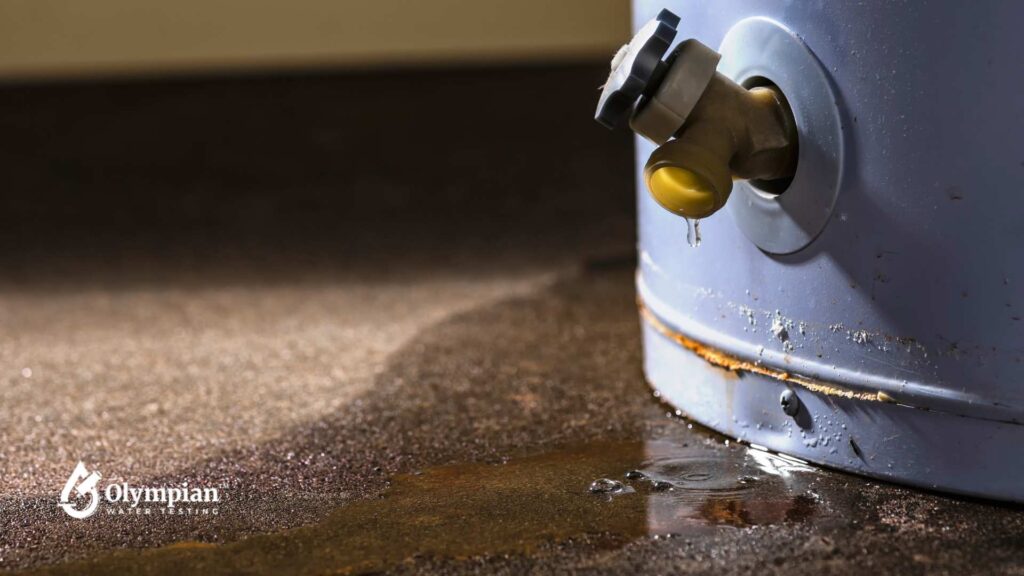
Inspections may also uncover cracks or leaks in the tank’s structure. These can stem from age, wear, or extreme weather. Water leaks not only waste resources but also risk damaging the building and its surroundings. It’s critical to repair any leaks promptly to maintain the water system’s integrity.
Industry standards require quarterly checks on tank ball valves and general integrity for sprinkler servicing contractors. Every two years, a detailed inspection by a specialist is needed. This involves a detailed checklist of nearly twenty aspects, as outlined in TB203.3.5.2, to ensure a thorough evaluation and timely issue identification.
Recommended Inspection Frequency for Rooftop Water Towers
To ensure the safety and longevity of your rooftop water tower, a regular water tank inspection schedule is essential. Experts suggest inspections every 6 months to 1 year to catch issues early and avoid expensive repairs. Following this annual tank inspection schedule can lower water tower failure risks by up to 25%.
Regular water tower maintenance offers more than just safety and reliability. Inspections every 2 years can cut emergency repair costs by up to 40%. They also extend a well-maintained rooftop water tower’s life to 20-30 years. Quarterly water quality tests are also vital to meet health regulations and keep your water safe.
| Inspection Type | Recommended Frequency | Benefits |
|---|---|---|
| Comprehensive Inspection | Every 5 years | Assesses structural integrity and identifies possible hazards |
| Visual Inspection | Every 6 months to 1 year | Finds visible problems like cracks, dents, and rust |
| Water Quality Testing | Quarterly | Ensures safety and meets health regulations |
Ignoring regular inspections can raise operational costs by 15% due to unexpected repairs and downtime. Sadly, about 50% of rooftop water towers lack proper inspections, posing safety risks and contamination threats. A thorough inspection schedule can reduce water quality issues by 30%, ensuring a safer and more efficient water system.
The Role of Building Owners and Property Managers in Water Tower Upkeep
Building owners and property managers are key to maintaining rooftop water towers. They must conduct regular inspections, cleanings, and repairs. This is to prevent water contamination and structural damage. In addition to routine maintenance, it’s essential for building owners and property managers to stay informed about the specific water tower functions explained in their operating manuals. Understanding how these systems work can help in identifying potential issues before they escalate. By prioritizing both preventative measures and ongoing education, they can ensure the longevity and safety of the water supply for all residents.
The Building Water Management Plan Guidance from the New York City Department of Health and Mental Hygiene is essential. It requires building owners and property managers to create a detailed water management plan. This plan must outline procedures for monitoring and maintaining water towers, including inspection frequency and maintenance scope.
Hiring Certified Contractors for Cleaning and Maintenance
To uphold water tower upkeep standards, hiring certified tank maintenance contractors is vital. These experts have the skills and tools needed for thorough cleaning, repairs, and protective coatings. This prevents rust and corrosion.
When choosing a contractor, verify their licenses and certifications. Evaluate their experience and compare prices and services. Working with qualified professionals ensures compliance with health guidelines and the Safe Drinking Water Act.
Keeping Accurate Records of Inspections and Repairs
Accurate records of water tower inspections and repairs are essential. Building owners and property managers should maintain detailed logs. These should include inspection dates, findings, cleaning procedures, repairs, and water quality test results.
These records prove compliance with regulations and help identify recurring issues. Regularly reviewing these records allows for proactive problem-solving. This ensures the safety and reliability of water storage systems.
Neglecting water tower maintenance can lead to costly consequences. This includes health risks from contaminated water and expensive emergency repairs. Prioritizing regular inspections and working with certified contractors protects tenants and extends water system lifespan.
Rooftop Water Towers Maintenance Tasks
Maintaining rooftop water towers is vital for the safety and quality of our water supply. Regular water storage tank maintenance tasks include cleaning, disinfecting, repairing, and applying protective coatings. These actions are key to keeping the tank’s structure sound and preventing water contamination.

Cleaning and Disinfecting Water Storage Tanks
Tank cleaning and disinfection are fundamental to water tower upkeep. Annual cleaning for reverse osmosis tanks is advised, often tied to filter replacements that also occur every 12 months. Atmospheric tanks, capable of holding thousands of gallons, are ideal for large municipal water storage needs. UV inhibitors in these tanks combat algae and bacteria growth, essential for outdoor water quality.
Repairing or Replacing Damaged Components
Water storage tanks can develop issues like rust, corrosion, cracks, or leaks over time. It’s critical to repair or replace damaged parts promptly to avoid further deterioration. Old steel tanks need interior lining with thermoplastic polymer (HDPE) to prevent water from coming into contact with rust. Ignoring maintenance can increase the risk of bacterial growth, posing a threat to water safety for both household and agricultural use.

Applying Protective Coatings to Prevent Rust and Corrosion
To prolong the life of rooftop water towers and prevent rust and corrosion, applying protective tank coatings is essential. These coatings, such as food-grade epoxy or polyurethane, act as a barrier between the water and the tank’s surface. This minimizes contamination and structural damage risks. Regular application of these coatings can significantly extend the life of a rainwater harvesting system, ensuring water quality and system functionality.
| Tank Type | Capacity (Gallons) | Maintenance Frequency |
|---|---|---|
| Residential | 5-120 | Annually |
| Well Pressure | 39+ | Bi-annually |
| Reverse Osmosis | 2-5 | Annually |
| Thermal Expansion | 2-5 | Annually |
| Atmospheric | 1,000+ | Bi-annually |
Consequences of Neglecting Water Tower Maintenance
Ignoring regular upkeep and inspections of rooftop water towers can lead to severe consequences. These affect both the health of those using the water and the financial health of building owners. Without proper maintenance, water towers face numerous issues that can jeopardize water quality and safety. Neglecting the necessary care can result in bacterial growth, sediment buildup, and structural deterioration, all of which compromise the water’s integrity. Consequently, the impact of rooftop water towers extends beyond health concerns; it can also lead to costly repairs and legal liabilities for property owners. Ensuring regular inspections and maintenance not only safeguards public health but also protects the long-term value of the properties involved.
Health Risks Associated with Contaminated Water
One major risk of neglecting water tower maintenance is the risk of contaminated water in the building’s supply. Sediment, rust, and debris can accumulate, creating an ideal environment for harmful bacteria and microorganisms. These contaminants can lead to various health issues, from mild gastrointestinal problems to severe illnesses like Legionnaires’ disease.
Water towers also risk external contamination, such as dead animals, rainwater, or sewage. These contaminants pose serious health risks, affecting individuals with weakened immune systems most. This includes children, the elderly, and those with pre-existing health conditions.
Costly Repairs and Replacements
Ignoring water tower maintenance can also lead to significant financial burdens. As tanks age without care, they become more susceptible to leaks, structural damage, and other costly emergency repairs. In severe cases, the damage may necessitate a full tank replacement, a costly endeavor.
| Maintenance Task | Frequency | Cost Savings |
|---|---|---|
| Regular inspections | Every 6-12 months | Identifies minor issues before they escalate |
| Cleaning and disinfection | Every 1-3 years | Prevents contamination and extends tank lifespan |
| Timely repairs | As needed | Avoids costly emergency repairs and tank replacement |
By focusing on regular maintenance and addressing issues promptly, building owners can sidestep these significant tank replacement costs. This ensures a safe, reliable water supply for tenants and residents. Proactive water tower maintenance is a critical investment in public health and a wise financial move, saving owners substantial expenses over time.
Regulatory Requirements for Water Tower Inspections
Maintaining the safety and quality of drinking water in rooftop water towers is a critical responsibility. Building owners and property managers must comply with water tower inspection regulations. This includes following guidelines from local and state health departments, as well as federal regulations like the Safe Drinking Water Act.
Local and State Health Department Guidelines
Each state and municipality has its own set of requirements for water tower inspections and maintenance. For instance, in New York City, building owners must submit annual filings and provide proof of inspections to the Department of Health and Mental Hygiene. These measures ensure water towers are regularly checked and maintained to prevent contamination and health risks.
Some key local and state health department guidelines for water tower inspections include:
- Annual or biannual inspections by certified professionals
- Regular cleaning and disinfection of water storage tanks
- Immediate reporting of any water quality issues or structural damage
- Proper record-keeping of inspection reports and maintenance activities
Compliance with the Safe Drinking Water Act
The Safe Drinking Water Act (SDWA) is a federal law that sets standards for drinking water quality in the United States. It applies to all public water systems, including those using rooftop water towers. Building owners and property managers must ensure their water towers meet SDWA regulations to avoid penalties and protect public health.
Some key requirements under the Safe Drinking Water Act include:
- Regular testing for contaminants such as bacteria, lead, and copper
- Proper treatment and disinfection of stored water
- Implementation of a cross-connection control program to prevent backflow
- Public notification of any violations or water quality issues
By staying informed about local, state, and federal water tower inspection regulations and maintaining compliance with the Safe Drinking Water Act, building owners and property managers can ensure the safety and quality of water. Regular inspections, cleaning, and maintenance by certified professionals are key to a successful water tower management plan.
Signs That Your Water Tower Needs Immediate Attention
As a building owner or property manager, it’s vital to recognize the warning signs that your rooftop water tower needs urgent attention. Ignoring these signs can result in costly repairs, water quality issues, and structural damage to your property. Here are some key indicators that your water tower requires immediate action:
- Murky or discolored water from taps
- Visible leaks or cracks in the tank’s structure
- Presence of mold or other fungi in interior spaces near the roof
- Rust or corrosion spots on the tank’s exterior
- Sediment buildup in the water supply
If you notice any of these water tower warning signs, it’s essential to schedule professional inspections and repairs as soon as possible. Delaying action can exacerbate the issues, leading to increased repair costs and health risks associated with contaminated water. Emergency plumbing services are available 24/7 to address urgent tank repairs and ensure the safety and quality of your building’s water supply.
Regular maintenance is key to extending the lifespan of your water tower and preventing costly emergencies. Water towers typically last between 10 to 15 years before requiring replacement, but proactive care can significantly prolong their usefulness. Consider the following statistics:
| Water Tower Fact | Value |
|---|---|
| Average Height | 165 feet |
| Pressure Gain per Foot of Elevation | 0.43 psi |
| Common Household Water Pressure | 50 to 100 psi |
| Recommended Annual Maintenance | At least once a year |
Comprehensive maintenance services can help identify minor issues before they escalate, potentially saving building owners significant costs in emergency repairs. Don’t wait until it’s too late – prioritize the health and longevity of your water tower by addressing warning signs promptly and investing in regular upkeep.
The Benefits of Proactive Water Tower Maintenance
Proactive water tower maintenance is vital for the longevity and efficiency of your water storage system. It offers numerous benefits, protecting your investment and ensuring the health and safety of those who rely on the water supply.
Prolonging the Lifespan of Your Water Storage System
Regular maintenance significantly extends your water storage system’s lifespan. Studies indicate that proactive tank maintenance can increase a rainwater tank system’s longevity by 20% to 30%. This results in significant cost savings over time. Addressing minor issues promptly and conducting routine inspections prevents costly repairs and premature replacement.
Reducing the Risk of Water Contamination and Health Issues
Poorly maintained water towers pose a significant risk of water contamination. Sediment buildup, rust, and corrosion can degrade water quality, leading to health issues. Proactive maintenance, including regular cleaning and disinfection, can reduce contamination risk by up to 99%. This ensures the water remains safe for consumption.
| Maintenance Task | Benefit |
|---|---|
| Regular cleaning of filters and fittings | Reduces control issues and ensures system operation |
| Routine cleaning of catchment areas | Reduces algae growth by approximately 75% |
| Proper filtration systems (sediment filters, UV lamps) | Eliminates over 99% of harmful microorganisms |
Avoiding Costly Emergency Repairs
Neglecting water tower maintenance can lead to severe damage and emergency repairs. These repairs are extremely costly and disrupt the water supply. Proactive maintenance prevents up to 90% of system failures due to blockages and leaks. This saves money and ensures a reliable water supply.
Proactive water tower maintenance is a smart investment with numerous benefits. It extends the water storage system’s lifespan, reduces contamination risk, and avoids expensive repairs. Regular maintenance ensures a safe, reliable, and cost-effective water supply for years.
Advancements in Water Tower Inspection Technologies
In recent years, advanced water tower inspection tools and modern tank monitoring systems have transformed maintenance and inspections. These innovations boost efficiency, safety, and accuracy. They keep water towers in top shape.
Drones with high-resolution cameras have become a key tool for inspections. They offer quick, detailed assessments of tank conditions, cutting downtime significantly. Drone inspections are faster than traditional methods, eliminating the need for scaffolding or cranes. This approach is cheaper, safer, and allows access to areas previously hard to reach, reducing injury risks.
IoT-enabled monitoring systems have also made a significant impact. They provide real-time water quality data, enabling better cleaning schedules and resource use. AI and machine learning analyze data to predict the best cleaning times, boosting efficiency. Remote monitoring and robotic cleaning systems further reduce human risk during inspections.
| Technology | Benefits |
|---|---|
| Drones with high-resolution cameras | Quick inspections, reduced downtime, improved safety |
| IoT-enabled monitoring systems | Real-time water quality data, optimized cleaning schedules |
| AI and machine learning | Predictive maintenance, enhanced efficiency |
| Remote monitoring and robotic cleaning | Reduced human entry into tanks, improved safety |
Other advancements in water tower maintenance include:
- Hydro jetting technology that adjusts water pressure according to tank requirements
- Ultrasonic cleaning for effective biofilm removal
- Air-driven cleaning systems that minimize water usage
- Nanotechnology for enhanced cleaning efficiency
- Self-cleaning tanks with automatic cleaning cycles
By adopting these advanced water tower inspection tools and modern tank monitoring systems, owners and managers can maintain high water quality and safety standards. This approach also reduces costs and risks compared to traditional methods.
Choosing the Right Water Tower Maintenance Company
Ensuring your building’s water supply is safe and of high quality is critical. Selecting the right water tower maintenance company is essential. With many options available, it’s vital to consider several key factors before making a decision.
First, verify the contractor’s licenses and certifications. A reputable company should hold necessary permits and accreditations. This shows they follow industry standards and regulations. It ensures the work on your water tower meets local and state guidelines, protecting your building’s occupants’ health.
Verifying Licenses and Certifications
When evaluating water tower maintenance companies, request proof of their licenses and certifications. Look for contractors with state health department licenses and certifications from organizations like the National Sanitation Foundation (NSF) or the American Water Works Association (AWWA). These credentials indicate the company has undergone rigorous training and follows best practices in water tower maintenance.
Evaluating Experience and Expertise
Experience and expertise are key when selecting a water tower maintenance company. Inquire about their track record, including years in business and types of projects completed. A well-established company with a proven history of successful maintenance is more likely to deliver quality services.
Also, ask about the qualifications and training of the company’s technicians. Skilled professionals who are up-to-date with industry trends and technologies can provide more effective maintenance solutions. They should be able to identify and address issues to ensure your water tower’s longevity and efficiency.
Comparing Pricing and Service Offerings
When comparing companies, consider their pricing and service offerings. While cost is important, it shouldn’t be the only factor. Low prices may indicate subpar services or inferior materials, leading to more frequent repairs and higher long-term costs.
Look for a company that offers tailored maintenance packages. These may include regular inspections, cleaning, disinfection, and repairs. Some companies may also provide additional services like water quality testing, corrosion control, and structural assessments.
| Service | Price Range |
|---|---|
| Water Tank Cleaning (10,000-15,000 liters) | Starting from AED 650 |
| Water Tank Cleaning (15,000-20,000 liters) | Starting from AED 850 |
| Water Tank Cleaning (Over 20,000 liters) | Starting from AED 1,050 |
| Additional Visiting Charges | AED 100 |
By carefully evaluating licenses, certifications, experience, expertise, and service offerings, you can make an informed decision. Investing in regular maintenance by qualified professionals ensures the safety and reliability of your building’s water supply. This protects the health and well-being of its occupants.
The Environmental Impact of Poorly Maintained Water Towers
Poorly maintained water towers can significantly harm the environment. They can become breeding grounds for harmful bacteria, such as Legionella pneumophila. In China, studies found that L. pneumophila was detected in 47.70% of centralized air-conditioned cooling water in public transport buildings. This can lead to Legionnaires’ disease, a severe pneumonia with a mortality rate between 3% and 33%.
Water towers that are neglected can also waste water due to leaks and inefficiencies. A study on cooling towers revealed an average temperature range of 4°C and a water flow volume of 648 m³/h from the cooling water pump. The required new make-up water for cooling by evaporation was 4.5 m³/h, resulting in a monthly consumption of 3,283 m³. Without regular inspections and repairs, these leaks can cause significant water loss over time.
| Statistic | Value |
|---|---|
| Detection rate of L. pneumophila in cooling water of public transport buildings in China | 47.70% |
| Mortality rate of Legionnaires’ disease | 3% – 33% |
| Average temperature range of cooling tower (TACT) | 4°C |
| Water flow volume of cooling water pump | 648 m³/h |
| New make-up water required for cooling by evaporation | 4.5 m³/h |
| Monthly make-up water consumption (MALM) | 3,283 m³/month |
To address these environmental concerns, adopting sustainable tank maintenance practices is essential. This involves using eco-friendly cleaning products, proper waste disposal, and regular inspections and repairs. By doing so, building owners and property managers can reduce the water tower environmental impact. This ensures a safer, more sustainable water supply for their communities.
Educating Tenants and Residents About Water Tower Maintenance
As a building owner or property manager, educating tenants and residents about water tower maintenance is critical. Open communication and sharing relevant information are key. This ensures a safe and reliable water supply for everyone.
Regularly sharing the importance of inspections and repairs helps tenants understand their role. Share updates on maintenance schedules, explain each task’s purpose, and highlight the benefits of proactive upkeep. This transparency fosters trust and encourages cooperation.
Encouraging Prompt Reporting of Water Quality Issues
Empower tenants and residents to actively participate in water tower maintenance by encouraging them to report water quality issues promptly. Provide clear guidelines on identifying problems like unusual odors, discoloration, or taste changes. Set up a simple reporting system, like a dedicated email or phone number, for quick communication and action.
Create educational materials like flyers or newsletters to outline water quality issue signs and the importance of timely reporting. Involving tenants in monitoring helps catch problems early, preventing more serious issues.
Promoting Water Conservation and Responsible Usage
Along with educating tenants on maintenance, promote water conservation and responsible usage. Share tips on reducing waste, fixing leaks, and using efficient appliances. Encouraging mindful consumption protects the water supply and supports environmental sustainability.
| Educational Initiative | Benefits |
|---|---|
| Regular maintenance updates | Builds trust and cooperation |
| Clear reporting guidelines | Early detection of issues |
| Water conservation tips | Protects supply and environment |
By focusing on tenant water tower maintenance education, promoting resident communication, and encouraging water quality issue reporting, you foster a proactive community. Together, you ensure a safe and sustainable water supply for all.
Planning for the Future: Water Tower Replacement and Upgrades
As water towers age, owners and managers must plan for their eventual replacement and upgrades. This ensures the safety and reliability of water storage systems. Budgeting for regular inspections, repairs, and replacement is key. With commercial water use reaching 2,142 million gallons annually in cities like Salt Lake City, proactive planning is vital. It helps avoid costly emergencies and maintains a steady water supply.
Keeping up with water storage technology advancements is essential for making smart upgrade decisions. For instance, greywater reuse systems can make up 50% to 80% of wastewater volume. Rainwater harvesting can meet about 50% of commercial building water demand. Upgrading to high-efficiency pumps, motors, and drives also leads to energy savings, as seen in the Winona Water Treatment Plant project.
When planning for water tower replacement, consider sustainable and efficient solutions. Green building practices can cut water use by 20% compared to standard buildings. Installing dual-flush toilets and using low-water plants in landscaping further reduces water consumption. By adopting these strategies, owners can extend their water systems’ life and help conserve our planet’s freshwater resources.
FAQ
How often should rooftop water towers be inspected and cleaned?
Water storage tanks should be inspected annually for optimal performance. Yet, the maintenance schedule varies by property type. Hospitals, for instance, prioritize regular upkeep. Following local health guidelines and federal regulations like the Safe Drinking Water Act is essential.
What are the consequences of neglecting water tower maintenance?
Ignoring maintenance can pose significant health risks. Contaminated water may harbor harmful microorganisms or external contaminants. This neglect can also lead to expensive repairs or even tank replacement.
What are the common issues found during water tower inspections?
Inspections often reveal sludge and sediment buildup, rust on pipes and structures, and structural damage. These problems stem from years of neglect and inadequate maintenance.
What are the key maintenance tasks for rooftop water towers?
Key tasks include cleaning and disinfecting tanks, repairing or replacing damaged parts, and applying protective coatings. Steel tanks should be lined with HDPE to prevent rust contamination.
What are the signs that a water tower needs immediate attention?
Signs include discolored water, visible leaks, and mold growth. If these issues arise, prompt professional inspections and repairs are necessary.
What should building owners and managers consider when choosing a water tower maintenance company?
When choosing a contractor, check their licenses and experience. Compare prices and services. Opt for a reputable company that adheres to regulations and uses approved materials.
How can advancements in inspection technologies improve water tower maintenance?
New technologies like drones and high-resolution cameras enhance maintenance efficiency. They enable thorough inspections and early detection of issues, facilitating proactive repairs and reducing contamination risks.